
In this guide
- Over 70% of China exports utilize professional packing or palletizing services, reducing cargo damage rates from over 5% to under 1%.
- Packing and palletizing add $150-$400 per 20' container for sea freight and $0.20-$0.50 per kg for air shipments.
- ISPM 15 compliance for wood packaging is mandatory in over 100 countries, including the US and EU.
- Custom packing for fragile or high-value goods lowers insurance claims by 20-40%, optimizing risk and cost for importers.
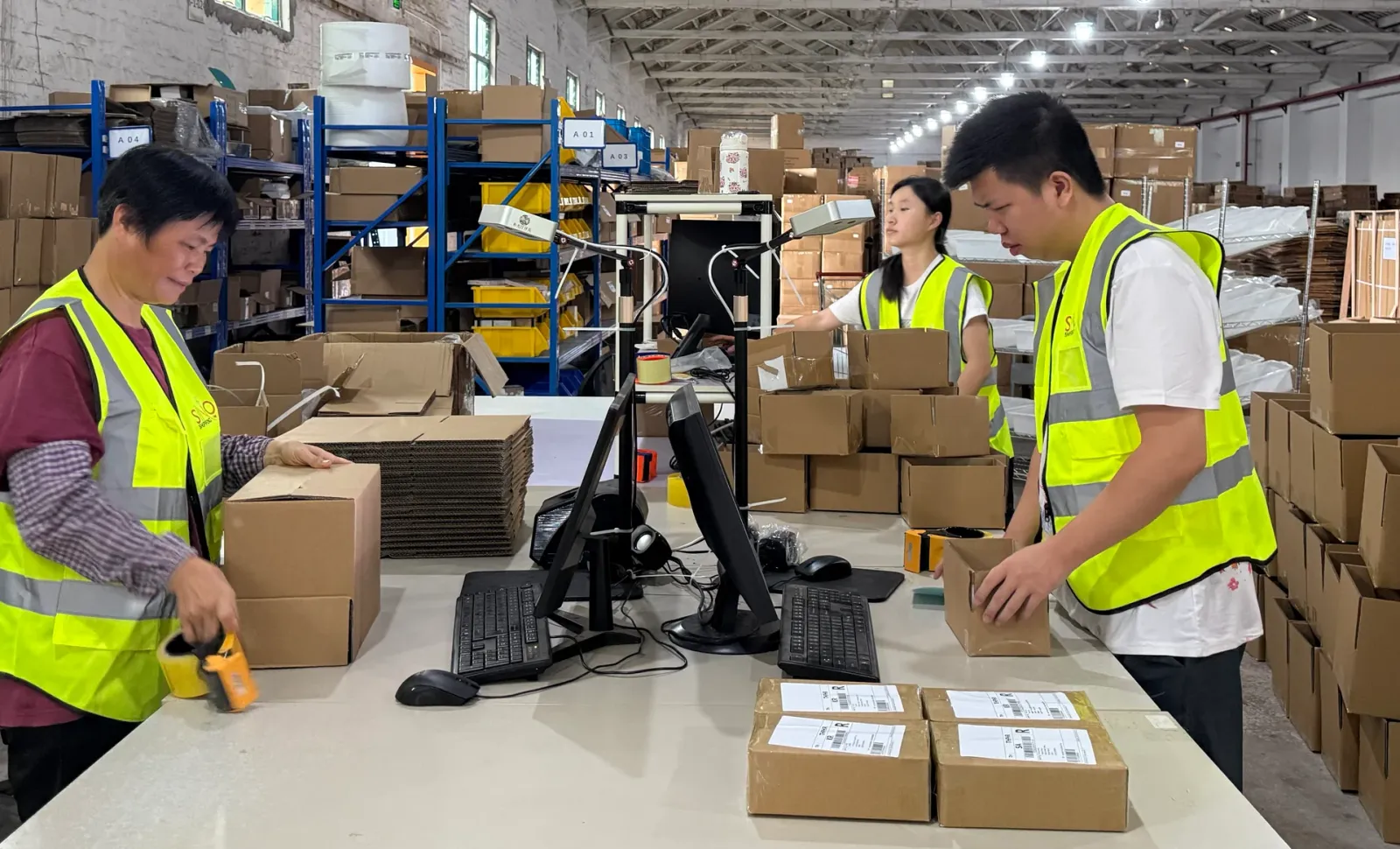
Importing from China means more than just finding the right supplier and booking freight—how your cargo is packed and palletized is just as critical to your bottom line. Poor packing is a leading cause of cargo damage, customs delays, and unnecessary costs in international shipping. With over 70% of China’s exports utilizing professional packing or palletizing, it’s clear that experienced importers treat this as a non-negotiable step. In this guide, we’ll break down the essentials of export packing, palletizing, and crating for shipments from China, showing you how to minimize risk, optimize costs, and ensure smooth customs clearance—no matter your destination or shipping mode.
Why Professional Packing & Palletizing Makes All the Difference (Risk, Cost, Compliance)
Many importers underestimate the real impact of packing quality on their shipments from China. The numbers speak for themselves: cargo damage rates drop from over 5% to below 1% when professional packing is used. That’s a difference between a minor inconvenience and a major financial loss, especially for high-value or fragile goods.
Risk Reduction
When goods are poorly packed, the risk of breakage, crushing, and moisture damage during containerized transit skyrockets. In fact, shipments with substandard packing materials or methods experience damage rates above 5%. Compare this to under 1% for cargo professionally packed and palletized—a difference that can easily add up to tens of thousands of dollars in claims or lost sales over a year of regular imports. This is especially important for long-distance sea freight routes, such as Shanghai to Europe (30-45 days) or the US West Coast (15-25 days), where cargo faces extended handling and environmental exposure.
Cost Efficiency
Professional packing and palletizing don’t just prevent damage—they also help you save money through more efficient handling. Properly palletized cargo can reduce warehouse handling costs by 15-30%. For example, palletizing allows for quicker loading and unloading, less manual labor, and fewer repacking fees at destination warehouses. Even though packing and palletizing add $150-$400 per 20’ container for sea freight, or $0.20-$0.50 per kg for air freight, these costs are far outweighed by the savings from reduced damage and faster processing.
Compliance Standards
Ignoring global packing standards can bring your supply chain to a halt. ISPM 15 compliance is mandatory for any wood packaging—pallets or crates—shipped to over 100 countries, including the US and EU. Non-compliant wood packaging almost always results in customs holds, forced repacking, or even shipment rejection at destination ports. With China’s export packing industry handling over 40 million TEUs annually, and Shanghai port alone processing 47,000 containers per day, the only way to ensure your cargo isn’t delayed is to work with providers who understand and meet these standards.

What Are Your Packing Options in China? (Types, Materials & Providers Explained)
China’s massive export industry has created a sophisticated ecosystem of packing and palletizing solutions, designed to handle everything from bulk commodities to delicate electronics. Understanding your options is the first step toward a successful shipment.
Packing Types
The most common packing types for exports from China are:
- Cartons: Corrugated cardboard boxes, suitable for most consumer goods.
- Pallets: Used for consolidating cartons or bulk goods for easier handling.
- Crates: Wooden or plywood containers for heavy, oversized, or fragile cargo.
- Shrink-wrap: Plastic film to secure cartons or items on pallets.
- Moisture barriers: Desiccants and plastic liners to protect against humidity—crucial for sea freight.
Over 70% of China exports utilize some form of professional packing or palletizing. LCL (less-than-container load) shipments in particular require palletizing to meet carrier and warehouse handling standards—failure to do so can result in rejection or costly repacking at the port.
Material Choices
Choosing the right materials is about more than just price. For example, heavy-duty cartons and moisture-resistant liners are essential for long-haul sea shipments, while lighter-weight materials may be suitable for air freight to minimize costs. For wood packaging, only ISPM 15-certified, heat-treated pallets and crates are accepted for international export. Using non-compliant materials can lead to immediate customs holds.
Provider Selection
Packing providers in China typically offer services at three points:
- Factory: Packing at the manufacturer’s site, often the most cost-effective.
- Port: Packing at a consolidation warehouse near the export port, ideal for mixed or LCL cargo.
- Warehouse: Third-party logistics providers offer value-added packing services for complex or high-value shipments.
When selecting a provider, look for experience with your product type, clear certifications (especially ISPM 15 for wood), and the ability to offer tailored solutions for your shipping mode and route.
| Packing Type | Typical Use Case | Cost Range (USD) | ISPM 15 Required? |
|---|---|---|---|
| Cartons | Consumer goods, apparel | $0.50-$2 per carton | No |
| Pallets | Consolidated cargo | $10-$30 per pallet | Yes (wood only) |
| Crates | Machinery, fragile items | $200-$1,000 per crate | Yes (wood only) |
| Shrink-wrap | Securing goods on pallets | $5-$10 per pallet | No |
| Moisture Barriers | Sea freight, electronics | $20-$50 per container | No |
For more on how packing fits into the broader China shipping process, see our detailed guide.
Palletizing for International Shipping: How Standards & Practices Impact Your Cargo
Palletizing is more than just stacking boxes—it’s about meeting international standards, optimizing space, and ensuring your cargo moves smoothly from China to its final destination.
Pallet Standards
The two most common pallet sizes are:
- EU Standard: 1200x1000mm (47.2x39.4 inches)
- US Standard: 48x40 inches (1219x1016mm)
Mismatches between pallet size and destination requirements can cause major handling issues, delays, or even refusal at the receiving warehouse. Always confirm pallet size with your consignee and logistics provider before shipment.
ISPM 15 heat-treated wood pallets are required for most international destinations. Without the ISPM 15 stamp, your shipment may be held or rejected at customs in over 100 countries.
Stacking Methods
Proper stacking is essential for both safety and efficiency. For example, evenly distributed weight and careful shrink-wrapping prevent cargo from shifting during transit. Overstacking can lead to crushed cartons, while under-stacking wastes valuable container space and can cause overweight issues if not managed correctly.
Palletizing also reduces handling time by up to 30% at destination warehouses. This is a significant advantage when shipping to high-volume distribution centers or retailers that demand rapid unloading.
Destination Requirements
Each country may have specific rules for palletized cargo. For example, some EU countries require all wood packaging to be bark-free in addition to ISPM 15 compliance. US importers must use 48x40in pallets for compatibility with most distribution centers. Failing to meet these requirements can result in repacking fees or shipment delays.
For more on how palletizing fits into sea freight from China or air freight from China, see our dedicated mode-specific guides.
Crating & Custom Packaging: Protecting Machinery and Fragile Goods for Export
Not all cargo can be safely shipped in cartons or on pallets. For oversized, heavy, or high-value goods, crating and custom packaging are essential.
Crating Options
Crating is the go-to solution for:
- Machinery and industrial equipment
- Large glass panels or artwork
- Sensitive electronics
Typical crating costs range from $200 to $1,000 per crate, depending on size, materials, and complexity. All export crates must be ISPM 15 compliant if made of wood.
Custom Solutions
Standard packing won’t cut it for fragile or high-value items. Providers can design custom foam inserts, double-walled cartons, or reinforced crates to protect goods in transit. For example, custom packaging for electronics or glassware has been shown to reduce insurance claims by 20-40% compared to generic packing.
Providers in China offer tailored solutions for everything from laboratory equipment to automotive parts, often working directly with manufacturers to ensure a perfect fit.
Cost Factors
While custom packing and crating add upfront cost, they can save far more by preventing damage and claims. For example, a $400 custom crate for a $30,000 CNC machine is a smart investment compared to the risk of a total loss. Always include these costs in your total landed cost calculations—see our costs overview for more on budgeting your China shipments.
| Cargo Type | Recommended Packing | Typical Cost (USD) | Insurance Claim Reduction |
|---|---|---|---|
| Electronics | Custom foam, moisture barrier | $10-$50 per unit | 20-40% |
| Machinery | Wood crate, shock absorbers | $200-$1,000/crate | 20-40% |
| Glassware | Double carton, foam inserts | $5-$20 per unit | 20-40% |
For more on protecting special cargo, see our shipping challenges guide.
How Packing Differs by Shipping Mode (Sea, Air, Rail & Express)
Packing requirements vary significantly depending on whether you’re shipping by sea, air, rail, or express courier. Each mode exposes cargo to different risks and cost structures.
Sea Freight Packing
Sea shipments from China can take 15-45 days in transit (e.g., Shanghai to US West Coast: 15-25 days; Shanghai to Europe: 30-45 days). This means cargo is exposed to humidity, temperature swings, and rough handling. Moisture protection—using desiccants, plastic liners, or moisture-barrier bags—is essential. Robust cartons and strong palletizing are a must for containerized sea freight.
Packing and palletizing typically add $150-$400 per 20’ container, but this is a small price to pay for avoiding damage or repacking fees at destination. For more details, see our sea freight from China guide.
Air Freight Packing
Air cargo moves much faster (3-7 days from major airports like CAN, PVG, PEK), but is subject to more frequent handling and strict weight/volume limits. Packing must minimize both weight and dimensions to keep freight costs in check—packing adds $0.20-$0.50 per kg on average. Lightweight, high-strength cartons and secure shrink-wrapping are standard. For more, see our air freight guide.
Rail & Express
Rail freight from China to Europe or Central Asia requires packing that can withstand vibration and stacking over long distances. Express courier shipments (FedEx, DHL, UPS) have strict size, weight, and labeling requirements—failure to comply can result in surcharges or delays. For specifics, see rail freight from China and express courier shipping from China.
| Shipping Mode | Transit Time | Packing Focus | Typical Packing Cost |
|---|---|---|---|
| Sea Freight | 15-45 days | Moisture, durability | $150-$400/20’ container |
| Air Freight | 3-7 days | Weight, volume | $0.20-$0.50/kg |
| Rail Freight | 12-20 days | Vibration, stacking | $100-$300/pallet |
| Express | 2-7 days | Labeling, size limits | $5-$20/package |
Don’t Let Paperwork Trip You Up (Packing Documentation & Customs Compliance)
Even perfectly packed cargo can be delayed or rejected if the paperwork isn’t in order. Documentation and labeling are just as important as the physical packaging itself.
Export Markings
Every package must be clearly labeled with export markings, including:
- Destination port and country
- Consignee and shipper details
- Handling instructions (e.g., “Fragile”, “Keep Dry”)
- Internationally recognized symbols
Incorrect or missing export markings are a leading cause of customs clearance delays. For LCL shipments, failure to label each package properly can result in extra handling fees or even shipment rejection.
ISPM 15 Certificates
If your shipment uses wood packaging (pallets or crates), you must provide ISPM 15 certificates proving the wood has been heat-treated and stamped according to international standards. Customs authorities in over 100 countries require this document; without it, your cargo can be held, fumigated, or destroyed.
Packing Lists
A detailed packing list is required for every export shipment from China. It must include:
- Description of contents
- Quantity and weight of each package
- Dimensions
- Destination codes
Packing lists are checked by both Chinese customs and the destination country. Incomplete or inaccurate lists are a frequent cause of clearance delays. For more on customs compliance and required documentation, see our full guide.
Avoid These Costly Packing & Palletizing Mistakes (Pitfalls to Watch For)
Even experienced importers make mistakes that can lead to costly delays or damage. Here’s what we see most often in China exports:
Non-Compliance
Using non-compliant wood pallets (not ISPM 15 certified) is one of the top reasons for customs holds or forced repacking at destination. For example, a shipment to the EU or US with non-certified pallets will almost certainly be stopped and repacked at your expense.
Material Shortcuts
Choosing the cheapest packing materials may save a few dollars upfront but often leads to disaster. Cartons that can’t withstand the rigors of containerized transit increase breakage risk, particularly for fragile or high-value goods. Moisture protection is frequently underestimated for sea shipments, leading to water damage and insurance claims.
Labeling Errors
Failing to label packages with the correct export markings and destination codes is a common error. This oversight delays customs clearance and can result in extra handling charges or even shipment rejection—especially for LCL or mixed cargo. Neglecting to specify pallet size and stacking method can also cause wasted space and overweight issues, leading to higher freight costs.
Bottom Line: How to Choose the Right Packing Solution for Your China Shipment
Choosing the right packing and palletizing services is essential for any international shipment from China. Professional packing reduces risk, saves on warehouse handling, and ensures compliance with global standards like ISPM 15. When evaluating providers, look for experience with your cargo type, up-to-date certifications, and the ability to offer solutions at the factory, port, or warehouse level. Always include packing and palletizing costs in your total landed cost calculations—these small investments pay off in fewer delays, lower damage rates, and smoother customs clearance.
For more on optimizing your China shipments, see our guides on choosing a freight forwarder, comparing shipping methods, and understanding Incoterms. Ready to get a tailored packing and shipping solution? Request a quote and our team will help you build a risk-proof logistics plan.