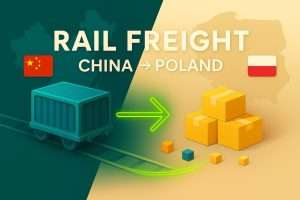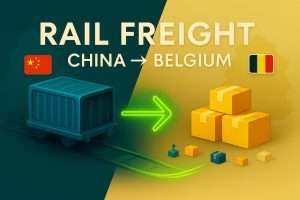
Looking for a faster, greener, and more cost-effective way to ship goods from China to Belgium? Rail freight could be your smartest move yet. Thanks to the New Silk Road, modern train routes now connect Chinese manufacturers directly to Belgium’s logistics powerhouses—delivering your cargo to Liège, Antwerp, or even Brussels in record time, all while optimizing your shipping costs.
Here’s why savvy Belgian importers are making the switch to rail:
- Get your products delivered in just 15–18 days (that’s twice as fast as sea freight to Antwerp or Zeebrugge!)
- Cut your costs by up to 60% compared to air cargo—perfect for time-sensitive, valuable shipments
- Enjoy seamless customs and real-time tracking, plus a much smaller carbon footprint
In today’s fast-changing world, a flexible supply chain is essential. If you want to boost your margins, meet eco-friendly goals, and keep your business ahead of the curve, it’s time to explore what China–Belgium rail freight can do for you.
Why Choose Rail Freight from China to Belgium?
Rail freight between China and Belgium is rapidly becoming the go-to solution for smart Belgian importers.
Modern rail links now connect major Chinese production hubs—like Yiwu and Chengdu—directly to Belgium’s top logistics centers in Liège, Antwerp, and Brussels.
Key Benefits for Belgian Companies
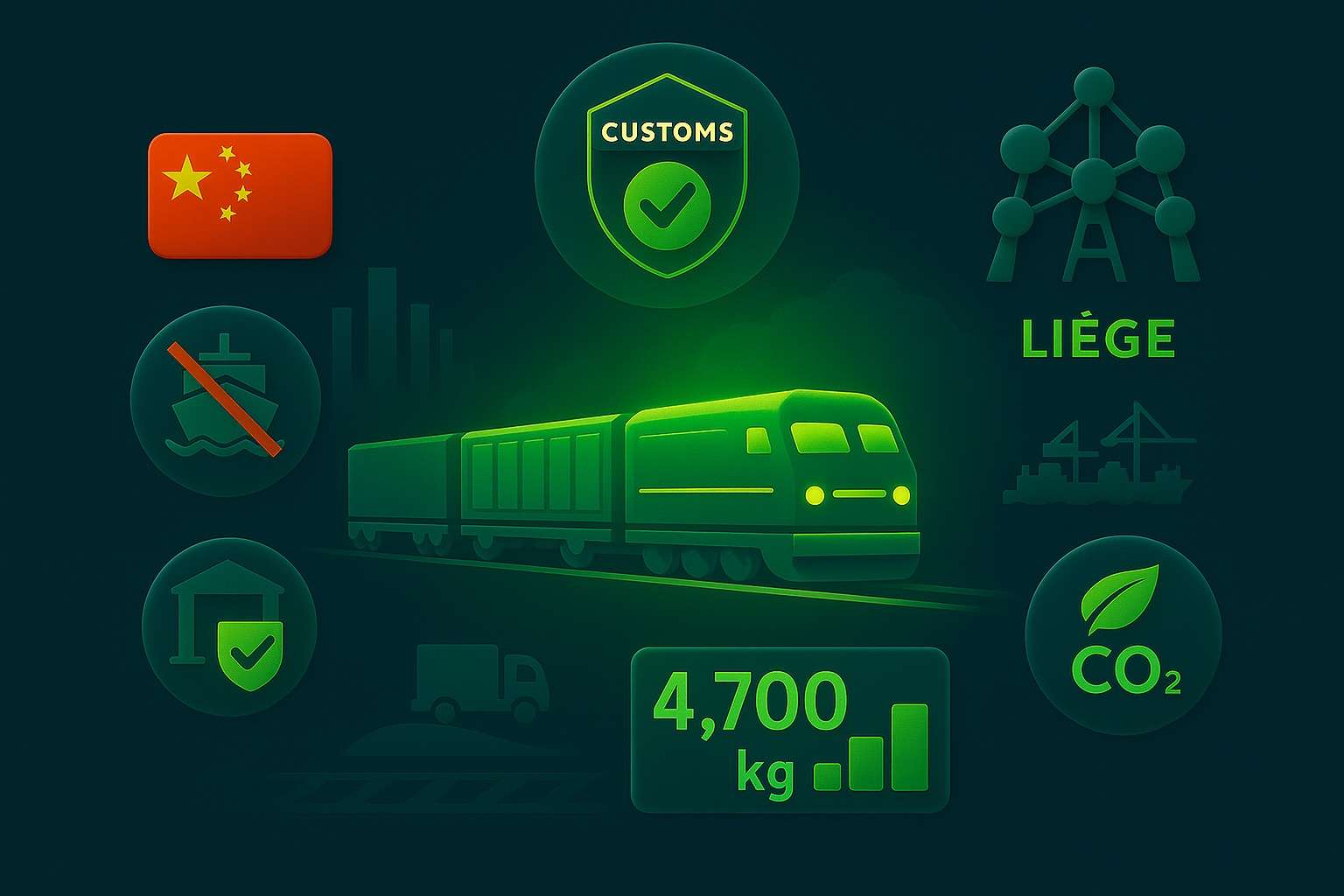
- Fast delivery: Reach Belgium in just 15–18 days—twice as fast as ocean shipping.
- Significant savings: Up to 60% cheaper than air freight for similar cargo.
- Eco-friendly: Rail emits up to 90% less CO₂ than air, supporting Belgium’s and the EU’s green goals.
- Reliable arrivals: Fixed schedules and less congestion than at crowded ports.
Why Belgian Importers Are Turning to Rail
- Direct access: Unload directly in Liège or Antwerp, not just coastal ports.
- Bypass bottlenecks: Avoid delays caused by port congestion or strikes.
- Easy customs: Streamlined clearance at Belgian rail terminals.
- Real-time tracking: Digital platforms let you follow your shipment from China to Belgium.
When Rail Freight Is the Best Option for Belgium
Choose rail freight if you:
- Need a faster solution than sea, but more affordable than air
- Ship mid-sized, high-value, or time-sensitive goods
- Want inland delivery to Belgium or neighboring markets
- Prioritize sustainability and predictability in your supply chain
Main Rail Routes from China to Belgium
Rail freight now offers Belgian businesses dedicated, high-speed connections from China’s top industrial cities to Belgium’s logistics heartland—transforming how goods move across Eurasia.
Key Corridors: Direct Trains Linking China and Belgium
The China–Belgium rail network is powered by two main corridors:
- The Northern Corridor: The established “Silk Road by rail,” running from China through Russia, Belarus, and Central Europe into Belgium.
- The Middle Corridor: A dynamic alternative that bypasses Russia, passing via Kazakhstan, the Caspian Sea, Turkey, and Southern Europe.
Comparison of Main Rail Corridors to Belgium
| Corridor | Route Countries | Transit Time | Main Belgian Hubs | Key Advantages |
|---|---|---|---|---|
| Northern Corridor | Kazakhstan, Russia, Belarus, Poland, Germany, Belgium | 15–18 days | Liège, Antwerp | Fastest, most established, high frequency |
| Middle Corridor | Kazakhstan, Caspian Sea, Azerbaijan, Turkey, EU, BE | 18–22 days | Liège, Antwerp | Russia-free, lower political risk |
Major Departure Cities in China
- Yiwu: World-leading export city for consumer goods, electronics, and cross-border e-commerce.
- Chengdu & Chongqing: Western China’s manufacturing hubs, offering stable schedules for fast-growing sectors.
- Xi’an & Wuhan: Key nodes for machinery, industrial products, and rail consolidation.
Main Arrival Hubs in Belgium
- Liège Logistics: Belgium’s premier rail and air hub for e-commerce, pharma, and time-critical shipments.
- Antwerp: Major multimodal port; ideal for combining rail with sea, barge, or last-mile delivery.
- Zeebrugge & Brussels: Strategic alternatives for regional distribution and value-added logistics.
What Countries Do These Trains Cross?
Most China–Belgium rail routes cross:
- Kazakhstan
- Russia (Northern Corridor) or Caspian Sea, Azerbaijan, Turkey (Middle Corridor)
- Belarus
- Poland
- Germany
- Sometimes the Netherlands or France before Belgium, depending on operator
Alternative Route: The Middle Corridor
With rising geopolitical risks, more Belgian importers now choose the Middle Corridor:
- No transit via Russia or Belarus
- Slightly longer journey (approx. 18–22 days)
- Significant investments are making this route faster and more reliable each year
Transit Times & Reliability of Rail Freight from China to Belgium
Choosing rail freight for your China–Belgium shipments means betting on speed, consistency, and predictable supply chains. Let’s look at what you can expect for real-world delivery times and how the route stacks up for reliability.
Typical Door-to-Door Transit Times
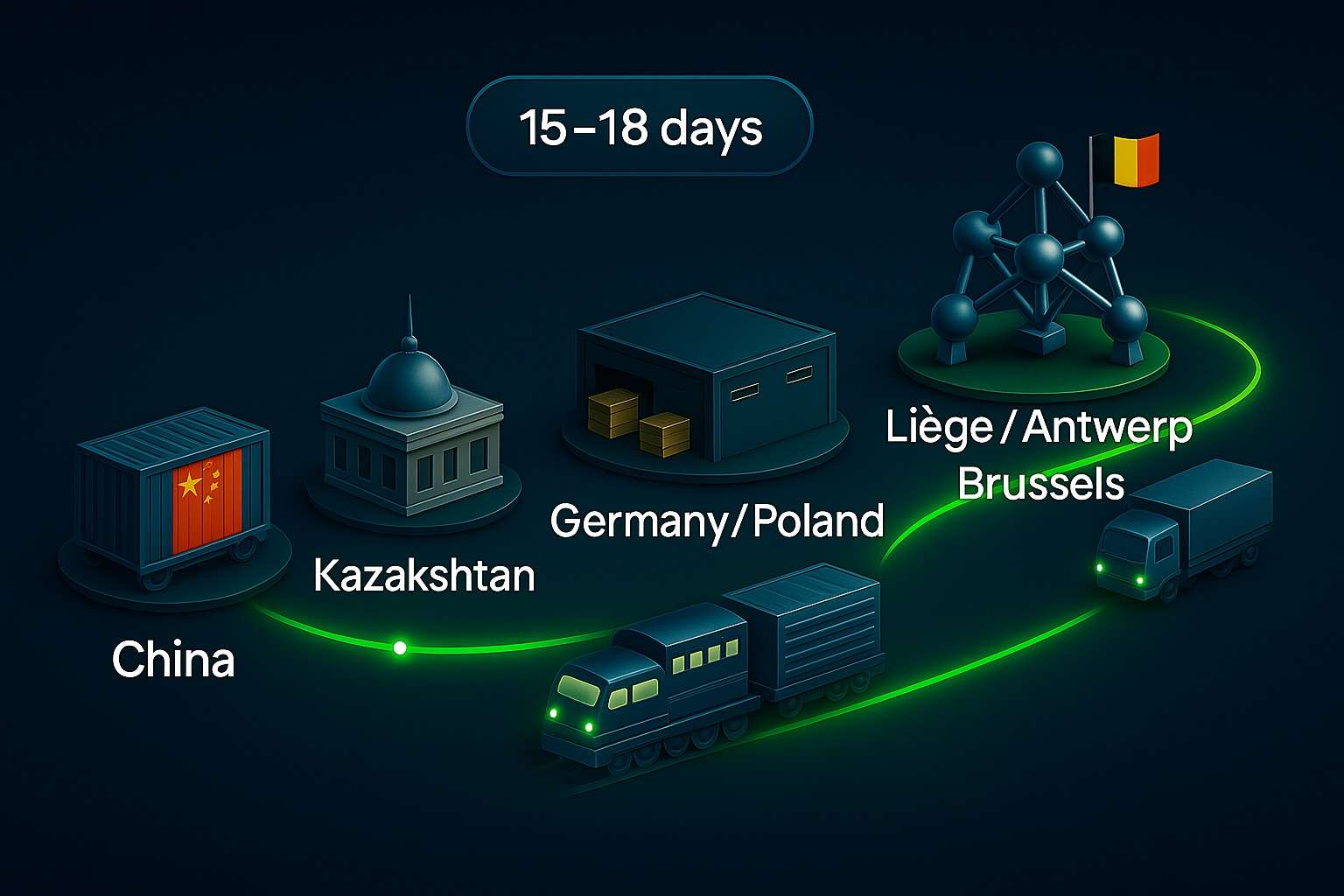
For Belgian importers, rail freight is the sweet spot between sea and air in terms of transit time. Here are the standard lead times you can expect:
| Origin City (China) | Destination (Belgium) | Transit Time (Door-to-Door) |
|---|---|---|
| Yiwu | Liège/Antwerp | 15–18 days |
| Chengdu | Liège/Antwerp | 16–20 days |
| Xi’an | Liège/Antwerp | 16–21 days |
| Chongqing/Wuhan | Liège/Antwerp | 17–22 days |
Delivery time includes rail transit, customs clearance, and last-mile trucking in Belgium.
What Impacts Speed and Reliability?
Several critical factors influence how fast—and how dependably—your rail shipment arrives in Belgium:
- Border Crossings: Each international border (Kazakhstan, Russia, EU) adds customs checks.
Tip: Work with experienced freight forwarders using “Green Lane” fast-track clearances for smoother crossings. - Seasonality: Peak periods (September–January, before Chinese New Year) can add 1–3 days due to congestion.
- Rail Network Congestion: High demand or unexpected surges may cause minor delays at transit hubs.
- Weather: Winter conditions in Central Asia and Eastern Europe can slow trains, but delays are generally limited.
- Last-Mile Delivery: Efficient Belgian trucking networks mean goods can reach Brussels, Antwerp, or Liège in 1–2 days from the terminal.
Pro Tip:
Choose rail operators with direct connections to Belgian hubs—fewer transfers mean fewer risks of delay.
Recent Disruptions: How Geopolitics Shape the Journey
Global politics directly affect China–Belgium rail reliability. Here’s what’s changed recently:
- War in Ukraine & Sanctions on Russia:
Some companies now avoid the Northern Corridor, increasing demand for the Middle Corridor (via Turkey), though mainline services remain stable for most goods. - Customs & Documentation Updates:
New EU security checks and documentation standards can add 1–2 days if paperwork is incomplete—always ensure compliance before shipping. - Global Supply Chain Crunches:
Surges in demand (e.g., post-pandemic, Black Friday) may strain capacity, but Belgian rail hubs are among the fastest in Europe for customs clearance.
Rail Freight Costs: Pricing Guide for China–Belgium
One of the key reasons Belgian businesses choose rail freight from China is its unique balance of speed and cost. Let’s break down what you can expect to pay, how rail compares to sea and air, and which extra charges you need to budget for.

Rail Freight China–Belgium: Price Ranges by Season
Rail freight rates fluctuate by season and demand, but Belgium’s major hubs (Liège, Antwerp) typically offer competitive rates year-round.
| Service Type | Low Season (Off-Peak) | High Season (Peak) |
|---|---|---|
| FCL (20ft container) | $2,700 – $4,000 | $4,000 – $5,800 |
| FCL (40ft container) | $4,000 – $6,000 | $6,000 – $8,200 |
| LCL (per kg, >500 kg) | $1.40 – $2.00 USD/kg | $2.00 – $3.00 USD/kg |
- Peak season: Pre-holiday (Sep–Jan), Chinese New Year, or global supply chain surges.
- Off-peak: Spring and summer months, post-holiday periods.
- Booking in advance and consolidating shipments in low season can deliver big savings.
Rail vs. Sea vs. Air Freight: Cost Snapshot
How does rail pricing stack up against sea and air for China–Belgium logistics?
| Mode | Transit Time | Typical Price (20ft FCL) | Best For |
|---|---|---|---|
| Rail | 15–18 days | $2,700–$5,800 | Fast, cost-effective, inland hubs |
| Sea | 30–45 days | $1,800–$3,200 | Lowest price, high-volume goods |
| Air | 2–5 days | $12,000–$18,000 | Urgent, high-value, small parcels |
Key Takeaway:
Rail is the “middle path”—much faster than sea, dramatically cheaper than air, and ideal for Belgian importers serving Liège, Antwerp, or Brussels.
Additional Fees to Consider
When budgeting for your China–Belgium rail freight, don’t forget these extra costs:
- Customs clearance (Belgium): €120–€350 per shipment
- Insurance: 0.3%–0.5% of cargo value (recommended for high-value goods)
- Last-mile delivery: €200–€800 (from rail terminal to final destination in Belgium or Benelux)
- Documentation & handling: €30–€100
- Warehousing (if needed): Priced by volume and duration
Pro Tip:
Choosing a door-to-door rail service (DDP) can include most of these charges in one transparent invoice—making costs easier to control.
Rail Freight Services Available: FCL, LCL, DDP
Belgian importers enjoy flexible rail freight options from China—whether you’re shipping a single pallet or a full container, there’s a solution to fit your needs and budget.
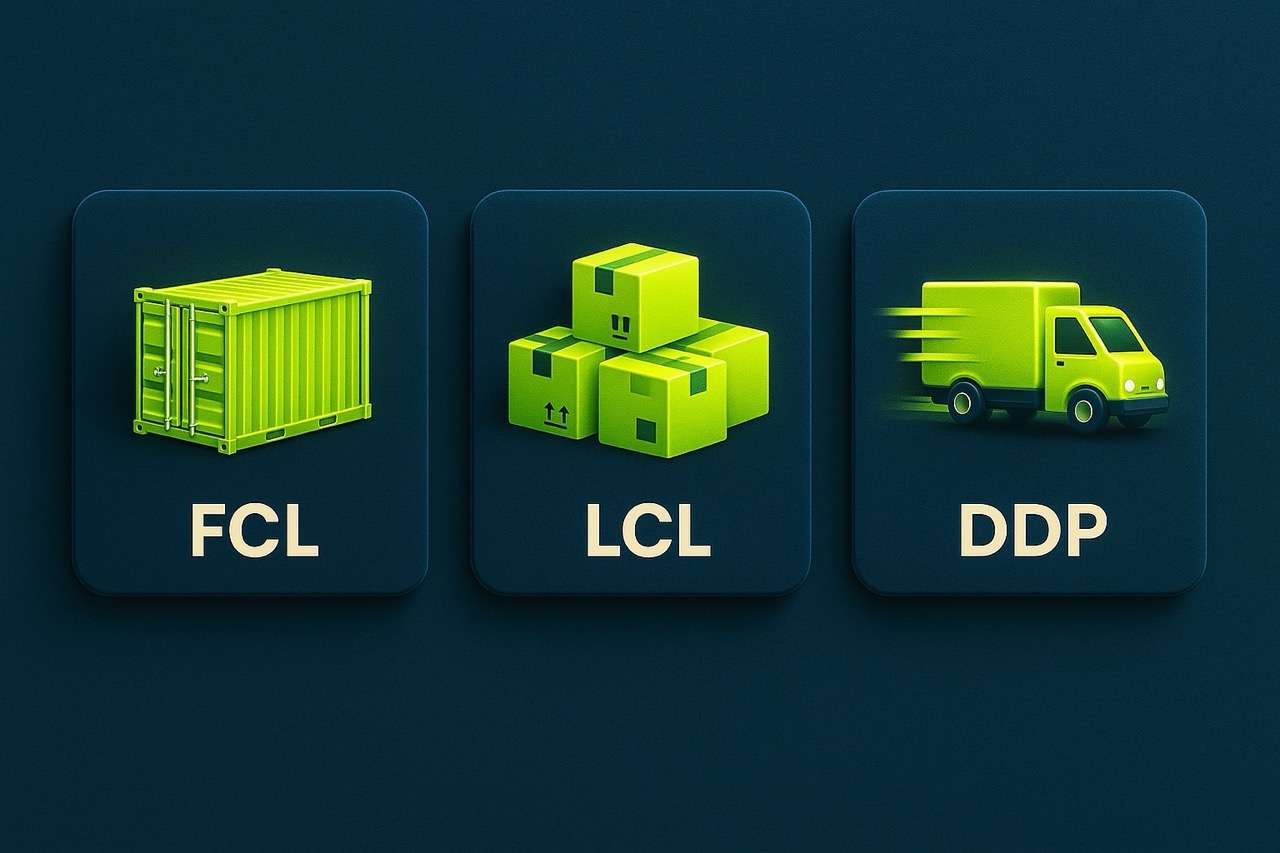
Service Types for China–Belgium Rail Shipments
| Service Type | Description | Best For |
|---|---|---|
| FCL | Full Container Load — You book a whole 20ft or 40ft container. | Large, regular shipments |
| LCL | Less than Container Load — Share container space with others. | Small to medium, groupage cargo |
| DDP | Delivered Duty Paid — End-to-end service, all fees prepaid. | E-commerce, hands-off importers |
- FCL (Full Container Load):
Maximum control, faster processing, ideal for bulk goods direct to Belgian hubs (Liège, Antwerp). - LCL (Less than Container Load):
Flexible, cost-effective for smaller volumes—pay only for the space you need. - DDP (Delivered Duty Paid):
All-inclusive: freight, customs, VAT, and delivery to your door, with zero admin headache.
DDP (Delivered Duty Paid): Pros & Cons for Belgian Importers
DDP rail freight is growing in popularity in Belgium for its simplicity and transparency.
Pros:
- All-in-one invoice—no surprise fees, all customs/VAT included
- Time-saving—the forwarder handles all paperwork, clearance, and delivery
- Risk reduction—avoid unexpected customs delays or fines
Cons:
- Slightly higher rates than standard FCL/LCL services (you pay for convenience)
- Less direct control over customs process
DDP is especially recommended for e-commerce businesses or first-time Belgian importers who want peace of mind and streamlined shipping.
How to Choose the Right Rail Freight Service
- Go FCL if:
You fill a container, want maximum control, and need stable, regular logistics. - Choose LCL if:
You ship smaller loads, want flexibility, or need to group cargo with partners. - Opt for DDP if:
You want an end-to-end, worry-free solution—especially useful for complex or high-volume Belgian e-commerce.
Customs & Documentation Requirements for Rail Freight China–Belgium
Smooth customs clearance is critical for efficient rail freight from China to Belgium. Understanding what’s required up front will help you avoid costly delays, compliance issues, or unexpected penalties.
Key Documents for Rail Shipments
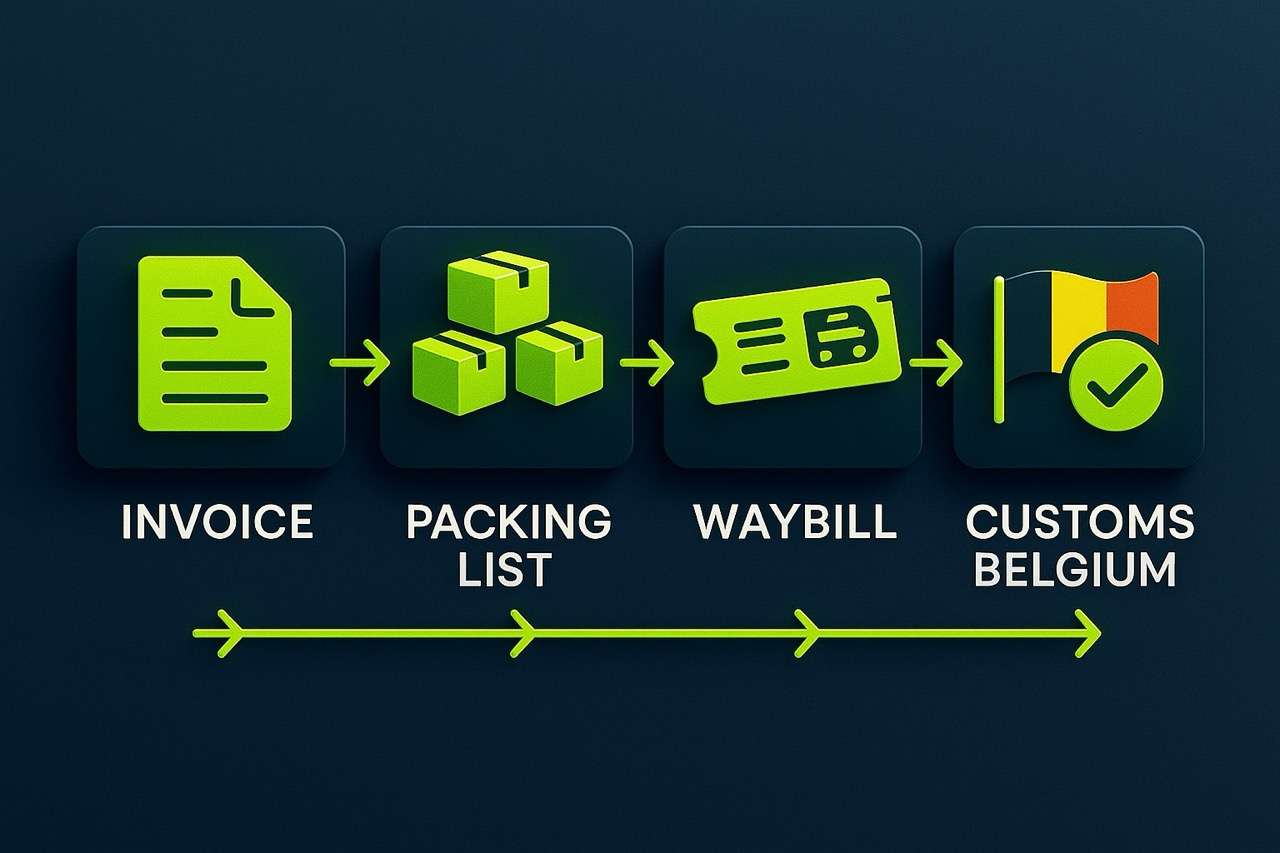
Belgian customs authorities—and the EU—require several essential documents for rail freight imports:
- Commercial Invoice:
Details seller, buyer, product description, value, and payment terms. - Packing List:
Lists all shipped goods, packaging details, and quantities. - Rail Bill of Lading (Waybill):
Official proof of rail shipment, needed for customs and release. - Certificate of Origin:
Confirms where goods were produced, relevant for tariffs and EU trade agreements. - Import Licenses (if applicable):
For controlled goods—electronics, chemicals, foodstuffs, etc. - Insurance Certificate:
Highly recommended for valuable or sensitive cargo.
Missing or incorrect documents are the most common cause of delays at Liège, Antwerp, or Brussels terminals.
Belgian and EU Customs Clearance: Tips & Pitfalls
Belgium’s rail terminals are among the most efficient in Europe, but customs rules are strictly enforced. Follow these guidelines for a hassle-free experience:
Tips:
- Declare the correct value and HS codes:
Misclassification can trigger audits or fines. - Pay VAT and duties promptly:
Most Chinese goods are subject to EU tariffs and Belgian VAT (21% standard). - Use a registered customs broker:
An experienced Belgian broker can save time, reduce paperwork, and resolve issues fast. - Submit digital pre-clearance:
E-clearance (via PLDA or NCTS) speeds up processing at major Belgian rail hubs.
Common Pitfalls to Avoid:
- Incomplete paperwork or missing certificates
- Errors in product codes (HS) or declared value
- Late VAT payments or unclear Incoterms
Special Compliance: CE Marking, EORI Number & More
Belgian and EU law require extra compliance for certain imports:
| Requirement | What is it? | Who needs it? |
|---|---|---|
| CE Marking | Certification that products meet EU health, safety, & environmental rules | Required for electronics, toys, machinery, PPE |
| EORI Number | EU-wide customs registration ID | Every Belgian/EU business importing goods |
| Product Compliance Certificates | Proof goods meet EU or Belgian standards (RoHS, REACH, etc.) | Required for restricted categories (chemicals, electronics, etc.) |
- CE Marking:
Mandatory for many products sold in Belgium and the EU; check if your products are listed. - EORI Number:
Essential for customs declarations—apply before your first shipment if you don’t have one. - Additional certificates:
For food, pharmaceuticals, chemicals, and other controlled goods, provide all test reports or compliance certificates.
Sustainability & Environmental Impact of Rail Freight China–Belgium
Sustainability is no longer optional for Belgian importers—it’s a business advantage and often a regulatory necessity. Rail freight from China to Belgium is a leader in green logistics, offering real benefits for companies committed to reducing their carbon footprint and meeting EU standards.

Rail Freight’s Carbon Footprint: A Clear Advantage
Rail freight is the most eco-friendly long-distance transport mode available to Belgian importers.
- Lowest CO₂ emissions:
Rail produces just 14–28 grams CO₂ per ton-kilometer, compared to 35–50g for sea freight, 60–150g for road, and over 500g for air. - 90% less emissions than air, and around 60% less than trucks—major impact for companies targeting net-zero or CSR goals.
- Supports green brand positioning in Belgium’s and Europe’s eco-conscious markets.
| Transport Mode | CO₂ Emissions (g/ton-km) | Relative Impact |
|---|---|---|
| Rail | 14–28 | Lowest |
| Sea | 35–50 | Moderate |
| Road | 60–150 | High |
| Air | 500+ | Extremely High |
Every ton shipped by rail helps your company—and your customers—lower their environmental impact.
Green Logistics: EU and Belgian Regulations & Incentives
Belgium and the EU actively encourage sustainable logistics:
- Eco-incentives:
The Belgian government and regional authorities (Wallonia, Flanders) offer financial incentives for companies choosing rail over road, helping you reduce logistics costs while going green. - EU Green Deal & Fit for 55:
Europe’s ambitious climate plan targets a 90% reduction in transport emissions by 2050. Rail is central to this vision, with increasing investments in cross-border infrastructure. - CSR & Carbon Reporting:
Belgian businesses are now required to track and report supply chain emissions. Choosing rail makes compliance easier and reporting more transparent. - Urban delivery benefits:
Rail terminals in Liège and Antwerp allow for distribution deep into Belgium and the EU, reducing congestion and emissions from last-mile trucking.
Challenges & Limitations of China–Belgium Rail Freight
While rail freight offers Belgian businesses impressive advantages, it’s essential to understand the potential hurdles—so you can plan smarter and keep your supply chain resilient.

Capacity Constraints
- Limited space during peak seasons:
Rail can’t match the vast volume of ocean freight. Container slots fill up quickly ahead of major holidays, sales events, or when global supply chains are under stress. - Advance booking is essential:
Belgian importers should plan shipments and reserve space well before peak periods (Q4, Chinese New Year).
Infrastructural & Regulatory Challenges in Belgium
- Terminal capacity:
Belgian rail hubs like Liège and Antwerp are efficient but have finite storage and customs capacity. Congestion may occur if volumes spike unexpectedly. - Customs complexity:
Even with EU harmonization, new regulations or incomplete paperwork can delay clearance—especially for complex cargo or new importers. - Rail network disruptions:
Occasional track maintenance, strikes, or local bottlenecks can impact last-mile delivery timelines within Belgium.
Competition with Road & Sea Freight
| Mode | Main Strength | Main Limitation |
|---|---|---|
| Rail | Fast, green, inland access | Capacity & infrastructure |
| Sea | Cheapest, huge volumes | Slow, port bottlenecks |
| Road | Door-to-door flexibility | High emissions, traffic risk |
- Sea freight remains king for bulk, non-urgent goods and lowest unit price.
- Road is unrivaled for last-mile flexibility and rural Belgian deliveries, but faces emissions penalties and road congestion.
Political & Economic Risks
- Geopolitical tensions:
Routes through Russia and Belarus (Northern Corridor) may be affected by sanctions, insurance restrictions, or political instability. - Economic fluctuations:
Fuel prices, labor costs, and regulatory changes in Europe or China can affect rail rates and service frequency. - Global disruptions:
Pandemics, wars, or border closures have proven that even the best-planned routes may face sudden obstacles.
Recent Developments & Future Outlook for China–Belgium Rail Freight
The China–Belgium rail freight corridor is rapidly evolving—driven by major infrastructure investments, new routes, and powerful digital innovations. Staying updated helps Belgian importers maximize opportunities and stay competitive.
The Belt & Road Initiative: Transforming Eurasian Trade
- China’s Belt & Road Initiative (BRI) has revolutionized cross-continental logistics, funding rail links that directly connect Chinese factories to Belgian hubs.
- The Yiwu–Liège Express and similar routes are flagship examples—cutting transit times and opening new possibilities for Belgian importers and exporters.
- Despite global tensions, BRI routes remain a backbone for e-commerce, automotive, and manufacturing flows into Belgium and across Europe.
Infrastructure Investments: New Lines & Belgian Hubs
- Belgium is investing heavily in its role as a pan-European logistics gateway. Liège Logistics, the Port of Antwerp-Bruges, and Zeebrugge are expanding their capacity for intermodal rail.
- New terminals and upgraded facilities mean faster customs clearance, more efficient cargo handling, and direct rail access deeper into the EU.
- Belgian logistics parks (Liège, Antwerp, Brussels) are now among the best equipped in Europe for seamless rail–road–air connections.
Digitalization & Intermodality: The 2025 Vision
- Real-time tracking:
Belgian importers can monitor shipments end-to-end, from factory in China to warehouse in Belgium, thanks to advanced digital platforms. - E-documents and automated customs:
Digital pre-clearance (PLDA, NCTS) streamlines border processes and reduces paperwork. - Intermodal logistics:
Improved links between rail, truck, barge, and air are making “door-to-door” supply chains easier and faster than ever. - Sustainability at the core:
EU Green Deal targets and Belgian incentives will keep pushing rail’s share of freight higher, especially for eco-conscious shippers.
FAQ: Rail Freight from China to Belgium
Is rail freight from China to Belgium faster than sea shipping?
Yes. Typical rail transit times are 15–18 days, compared to 30–45 days by sea. Rail freight delivers to key Belgian hubs like Liège and Antwerp twice as fast as maritime options.
How much does rail freight from China to Belgium cost?
Rail rates for a 20ft container typically range from $2,700 to $5,800 depending on the season and demand. LCL (groupage) shipments start from around $1.40–$3.00 USD/kg.
Which documents are required for customs clearance in Belgium?
You’ll need a commercial invoice, packing list, rail bill of lading, certificate of origin, and possibly import licenses or compliance certificates (such as CE marking for regulated products).
Can I use DDP (Delivered Duty Paid) service for rail freight to Belgium?
Absolutely. DDP rail means all customs, VAT, and delivery costs are prepaid. It’s an ideal solution if you want a fully managed, door-to-door shipping service into Belgium.
How reliable is rail freight between China and Belgium?
Rail services offer fixed schedules, regular departures, and real-time tracking. Booking in advance is recommended, especially during peak seasons or before major holidays.
Is rail freight from China to Belgium environmentally friendly?
Yes. Rail has the lowest carbon footprint of all major freight modes—up to 90% less CO₂ than air and significantly less than road or even sea freight. It’s the best option for companies with sustainability goals.
What are the main arrival hubs for rail freight in Belgium?
The primary hubs are Liège, Antwerp, and increasingly Brussels and Zeebrugge. These hubs offer fast onward distribution across Belgium and the EU.
Are there any risks or disruptions I should know about?
Occasional delays may occur due to customs, border checks, or global events (e.g., war in Ukraine, strikes). Choosing the right corridor and working with experienced partners reduces these risks.