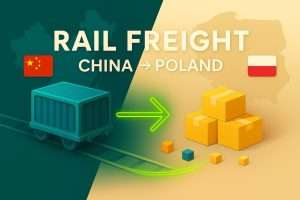
Looking for a faster, greener, and more cost-effective way to ship goods from China to the UK? Rail freight could be your smartest move yet. Thanks to the modern New Silk Road, direct train routes now connect Chinese factories straight to British logistics hubs—halving delivery times and dramatically cutting your shipping costs.
Here’s why savvy UK importers are switching to rail:
- Get your products delivered in just 18–20 days (that’s twice as fast as ocean freight to the UK!)
- Save up to 60% compared to air cargo
- Enjoy real-time tracking and a significantly lower carbon footprint
In a world where supply chain flexibility is everything, rail freight gives your business a real edge. If you want to stay resilient and competitive in today’s unpredictable climate, it’s time to discover what China–UK rail freight can do for you.
Why Choose Rail Freight from China to the UK?
Rail vs Sea and Air: The Sweet Spot for British Importers
When importing from China to the UK, choosing the right shipping method can make or break your supply chain. Rail freight is rapidly emerging as the golden middle ground—delivering goods faster than sea, yet far more affordable than air.
Quick comparison:
| Shipping Mode | Transit Time | Typical Cost | Best For |
|---|---|---|---|
| Rail Freight | 18–20 days | Moderate | Mid-sized, valuable cargo |
| Sea Freight | 35–45 days | Lowest | Bulk, non-urgent shipments |
| Air Freight | 3–7 days | Highest | Urgent, high-value goods |
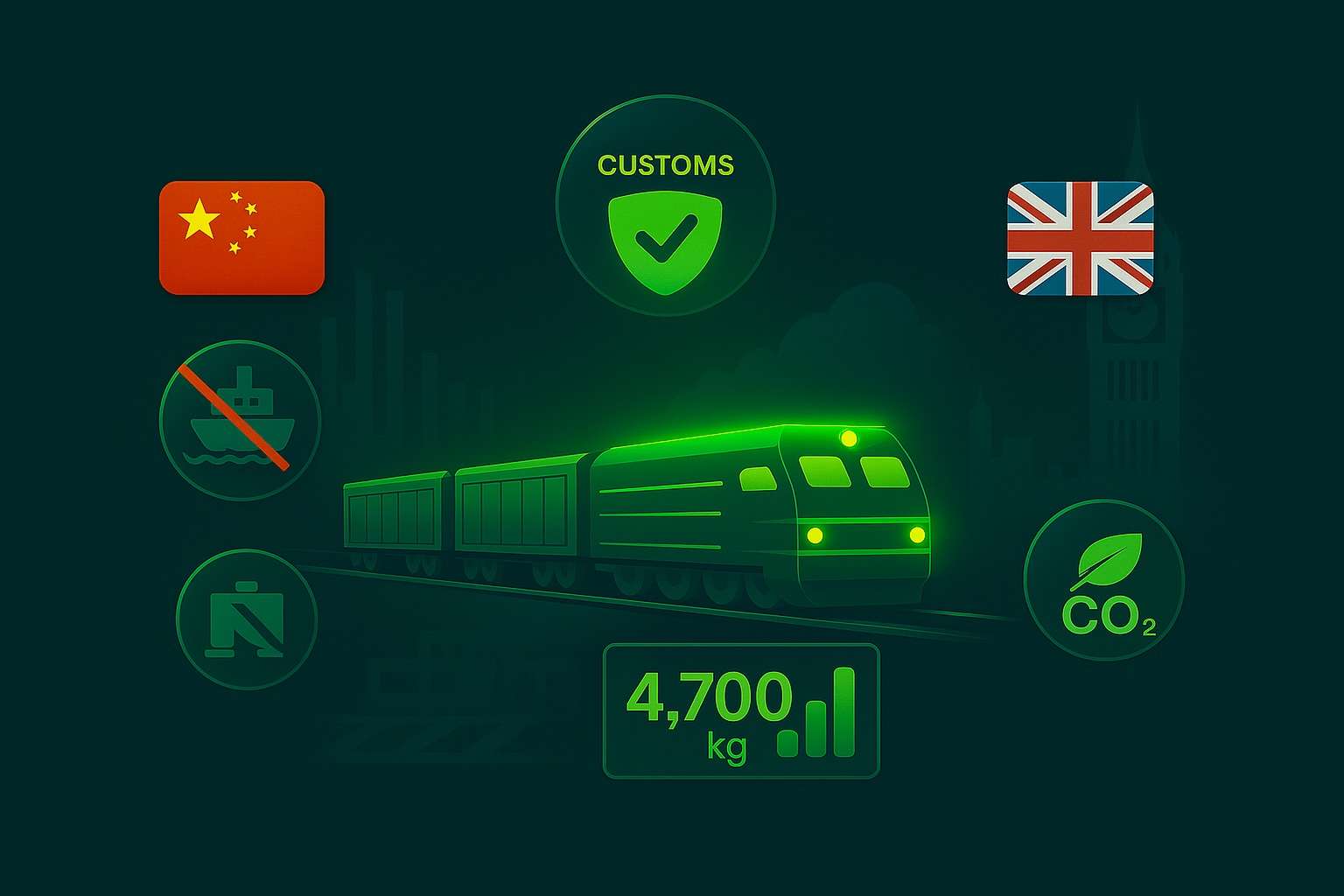
- Rail: The ideal balance—twice as fast as sea and up to 60% cheaper than air.
- Sea: Lowest per-unit cost, but slow and subject to port congestion.
- Air: Fastest, but often cost-prohibitive except for emergencies or luxury goods.
Key Benefits: Speed, Cost, and Sustainability
Why are UK importers making the switch?
Rail freight from China offers:
- Fast transit times: 18–20 days door-to-door from major Chinese hubs to London and beyond.
- Significant savings: Up to 60% less expensive than air cargo, keeping your margins healthy.
- Eco-friendly logistics: Rail emits up to 90% less CO₂ than air and 60% less than trucks—helping your business meet the UK’s sustainability goals.
- Reliability: Fixed departure schedules, less susceptible to port strikes, weather disruptions, and port congestion.
- Real-time tracking: Know where your cargo is at all times, with transparent updates throughout the journey.
Why UK Businesses Are Turning to Rail
Modern British businesses need speed, predictability, and sustainability.
Rail freight is the answer for:
- E-commerce and retail brands needing quick inventory restocks.
- Manufacturers seeking steady, reliable component supply.
- SMEs wanting to cut shipping costs without sacrificing delivery times.
- Sustainability-focused companies striving for a greener supply chain.
Stand out in the UK market:
- Avoid the chaos of congested ports and rising air freight rates.
- Meet customers’ demand for fast, eco-conscious delivery.
- Strengthen your resilience with an agile, alternative route between China and the UK.
Unlock new opportunities for your UK business. Rail freight delivers the speed, savings, and sustainability modern importers demand.
Main Rail Routes from China to the UK
The Landmark Yiwu–London Line and Its Success
The Yiwu–London rail line is the backbone of China–UK rail freight. Since 2017, it’s offered British importers a fast, direct link from China’s trade capital to London’s logistics heart.
- Distance: Over 12,000 km (one of the world’s longest regular train routes)
- Transit time: 18–20 days from Yiwu to London Barking
- Departures: Weekly, with fixed schedules for reliable planning
Why choose this route?
- Direct customs processing at London Barking
- Minimal sea or air disruption risks
- Trusted by both British SMEs and multinationals
Alternative Corridors: Middle Corridor (avoiding Russia) and New Routes
Supply chain resilience is more important than ever. That’s why British importers are increasingly considering alternative rail corridors—especially the Middle Corridor, which completely bypasses Russian territory.
Middle Corridor Route Example:
| Step | Key Country or Region | Note |
|---|---|---|
| China | Departure: Xi’an, Chengdu, or Chongqing | Multiple options in China |
| Kazakhstan | Overland crossing | Eurasian steppe |
| Caspian Sea | Multimodal (rail/ferry) | Connects Asia to the Caucasus |
| Azerbaijan | Rail | Baku as main transit hub |
| Georgia | Rail | Gateway to Turkey and Europe |
| Turkey | Rail | Fast track to EU border |
| Europe/UK | Final rail journey | Via Romania/Hungary, Germany, France, UK |
Benefits:
- Lower geopolitical risk (avoids Russia/Belarus)
- Resilient even in times of crisis
- Steadily improving reliability (transit time: 20–24 days)
Key Departure Cities in China
China–UK rail freight isn’t limited to one city—multiple major export hubs power the network, letting British importers optimize for speed and supply chain location.
Main departure cities:
- Yiwu: The world’s largest small commodity market, ideal for consumer goods.
- Wuhan: Central China logistics base, key for manufacturing exports.
- Chengdu & Chongqing: Tech, machinery, and auto parts from western China.
- Xi’an: Electronics, advanced manufacturing.
| City | Specialization | Direct UK Service |
|---|---|---|
| Yiwu | Consumer goods, light industry | Yes |
| Wuhan | Industrial, automotive | Yes |
| Chengdu | Tech, electronics | Yes (via Germany) |
| Chongqing | Automotive, machinery | Yes (via Europe) |
| Xi’an | Electronics, machinery | Yes (Middle Corridor/Europe) |
Having more starting points means faster consolidation and more efficient logistics for UK-bound cargo.
Main Arrival Hubs in the UK
Efficient UK logistics depend on where your goods arrive. Rail freight offers direct access to Britain’s busiest trade centers:
- London Barking Terminal: Primary rail gateway for Chinese imports—direct rail clearance, fast last-mile distribution to Greater London and the South East.
- Manchester: Well-connected hub for the North of England and Scotland; increasingly popular for tech and consumer goods.
- Midlands terminals (e.g., Birmingham): Central access point, ideal for nationwide distribution and warehousing.
How arrival hubs impact your business:
- Shorter trucking times to major cities
- Lower last-mile costs and faster UK-wide delivery
Countries Crossed: Eurasian Landbridge Explained
Every rail shipment from China to the UK is a journey across continents. The classic Eurasian Landbridge traverses:
At each border:
- Customs and gauge changes are handled by experienced operators.
- Green lanes for rail speed up processing at key checkpoints.
Transit Times & Reliability of Rail Freight from China to the UK
Typical Door-to-Door Transit Times (China → UK)
When speed matters, rail freight delivers a winning balance for UK importers.
On the main corridors, expect:
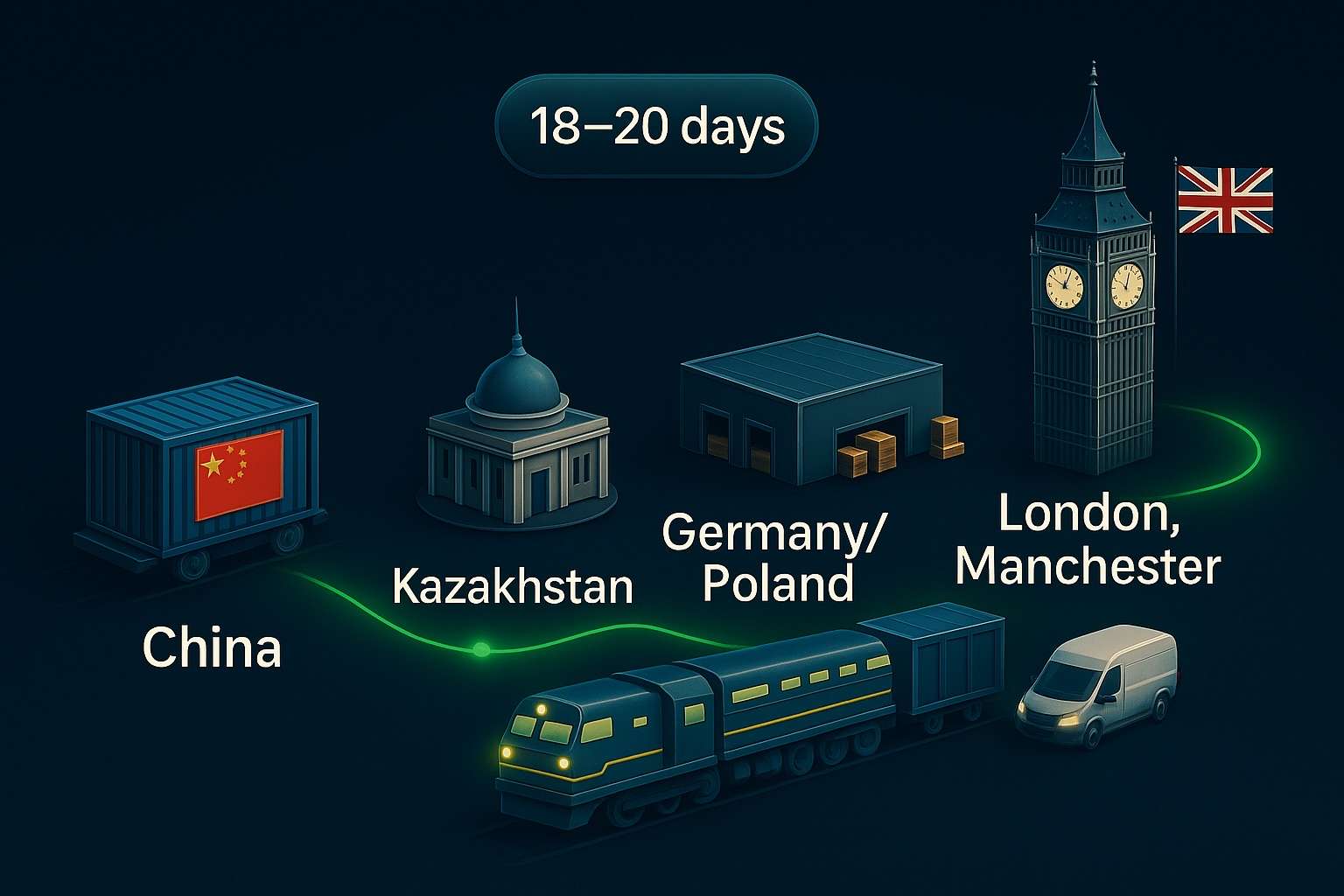
- Yiwu–London: 18–20 days door-to-door from factory in China to arrival at London Barking terminal.
- Chengdu/Wuhan/Chongqing–UK: 19–22 days depending on route, customs, and final delivery address.
- Middle Corridor routes: 20–24 days (slightly longer, but offering geopolitical stability).
| Origin (China) | UK Arrival Hub | Typical Transit Time |
|---|---|---|
| Yiwu | London Barking | 18–20 days |
| Wuhan | London/Manchester | 19–22 days |
| Chengdu/Chongqing | London/Manchester | 19–22 days |
| Xi’an (Middle Corridor) | London/Midlands | 20–24 days |
Door-to-door times include customs clearance and last-mile delivery in the UK.
What Impacts Speed and Schedule Reliability?
Rail freight is reliable—but several key factors can influence delivery times:
- Customs clearance:
- Smooth at modern terminals like London Barking, but incomplete paperwork can cause delays.
- Border crossings & gauge changes:
- Trains switch wheels at certain borders (e.g., China–Kazakhstan, Belarus–Poland).
- Seasonality:
- Chinese New Year, Golden Week, and peak seasons may add 1–3 days due to high demand.
- Terminal congestion:
- During global supply chain crunches or strikes, some minor slowdowns are possible.
- Weather:
- Harsh winters across Central Asia and Eastern Europe may briefly impact transit.
Tips for best reliability:
- Always double-check documents and customs compliance.
- Book early during peak periods to secure space.
- Work with experienced forwarders for proactive updates and real-time tracking.
Geopolitics, War, and Route Alternatives (Ukraine, Brexit, Russia Sanctions)
The global landscape can impact rail freight routes—here’s what UK importers need to know:
- War in Ukraine & Russia sanctions:
- Some classic northern corridors transit through Russia and Belarus.
- Insurance, regulatory, or safety issues may arise—many forwarders now offer “Middle Corridor” routes via Kazakhstan, Azerbaijan, Georgia, and Turkey to avoid Russian territory.
- Brexit:
- The UK’s exit from the EU brought new customs requirements.
- Experienced rail providers ensure smooth handling of UK-specific import procedures (EORI number, UK VAT, product compliance).
- Route flexibility:
- In case of disruption on one corridor, alternative routes ensure your goods still move—keeping your supply chain resilient and your business protected from global shocks.
Why it matters:
- Peace of mind: Even during world events, UK-bound rail freight continues to run thanks to diverse, flexible routes.
- Competitive advantage: Businesses that diversify their logistics with rail avoid costly bottlenecks and react faster to market changes.
Rail Freight Costs: Pricing Guide for China–UK

FCL, LCL, and DDP Price Ranges
Rail freight offers clear savings for UK importers, especially compared to air shipping. Here’s what you can expect in 2025:
| Service Type | Low Season (USD) | High Season (USD) | Best For |
|---|---|---|---|
| FCL (20ft container) | $2,500 – $3,800 | $3,800 – $5,000 | Large, regular shipments |
| FCL (40ft container) | $3,800 – $5,800 | $5,800 – $7,500 | Bulk, high-value shipments |
| LCL (per kg, >500kg) | $1.30 – $2.20 | $2.20 – $3.00 | Small-to-medium, groupage cargo |
| DDP (all-inclusive, est.) | Slightly higher than FCL/LCL | – | Hassle-free, door-to-door imports |
Key takeaways:
- FCL (Full Container Load) is the most cost-effective for volume.
- LCL (Less than Container Load) suits smaller or groupage shipments.
- DDP (Delivered Duty Paid) simplifies imports but costs a bit more for convenience.
Rail vs Sea vs Air: Cost Snapshot for British Importers
Choosing the right shipping mode is all about your balance of speed, volume, and budget.
| Mode | Typical Price (20ft container) | Transit Time | Best For |
|---|---|---|---|
| Rail | $2,500 – $5,000 | 18–20 days | Fast, cost-effective inland |
| Sea | $1,500 – $2,800 | 35–45 days | Lowest cost, non-urgent |
| Air | $12,000 – $16,000 | 3–7 days | Urgent, high-value goods |
Summary:
- Rail hits the sweet spot—much faster than sea, far more affordable than air.
- Sea is king for price and volume, but slow.
- Air is for emergencies or luxury cargo.
Additional Charges: UK Customs, Handling, and Last Mile Delivery
Don’t overlook these extra costs when budgeting your China–UK rail shipments:
- UK Customs Clearance: £90–£300 per shipment, depending on cargo type.
- Import Duties & VAT: Standard UK rates apply (20% VAT for most goods; duties vary by HS code).
- Handling Fees: £30–£80 at arrival terminal.
- Insurance: Typically 0.2%–0.5% of cargo value.
- Last-Mile Delivery: £150–£700 from terminal to your final UK address (varies by distance/volume).
- Documentation/Administration: £20–£60 per shipment.
Tip: All-inclusive DDP services can wrap many of these costs into one transparent invoice, reducing surprises.
How Seasonality and Market Demand Affect Rates
Rail freight pricing is dynamic—here’s what can influence your final quote:
- Peak Seasons:
- September–January (pre-holiday rush, Black Friday, Christmas): Higher rates, more demand.
- Chinese New Year (Jan/Feb): Space gets tight, rates can spike.
- Off-Peak Discounts:
- Spring and late summer often bring lower rates due to reduced demand.
- Market Factors:
- Fuel prices, global events, and supply chain congestion can impact rates at any time.
- Advance Booking:
- Reserve early during peak times to lock in the best prices and secure space.
Pro tip:
Regular shippers can often negotiate better rates by consolidating volumes or signing contracts with trusted forwarders.
Rail Freight Services Available: FCL, LCL, DDP, and More
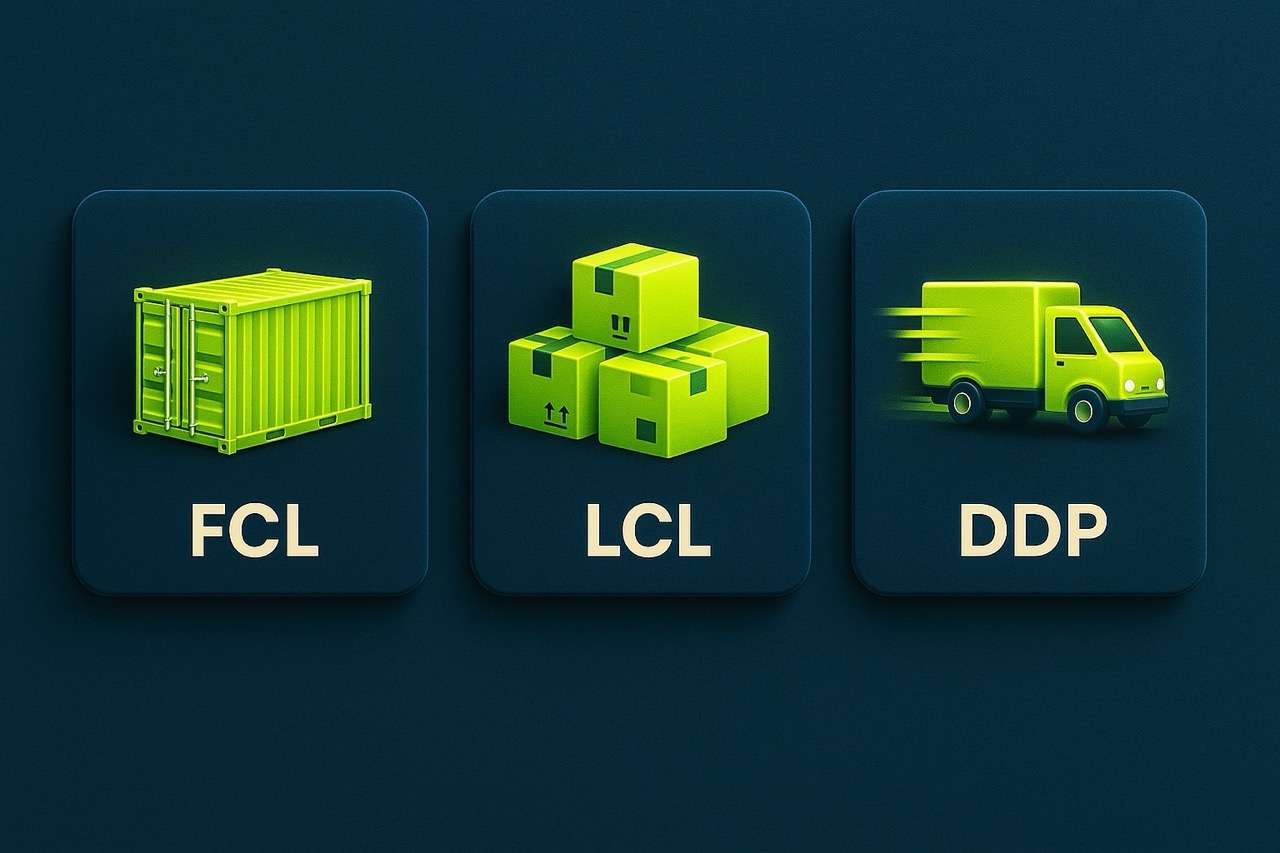
FCL vs LCL: Which is Best for Your UK Business?
Choosing the right rail freight service can have a huge impact on your costs, transit times, and logistics flexibility.
FCL (Full Container Load):
- What is it? You book an entire 20ft or 40ft container—only your goods inside.
- Best for: High-volume, regular shipments; maximum security and control.
- Benefits:
- Lower cost per unit
- Faster consolidation—no waiting for other cargo
- Less handling, lower risk of damage
LCL (Less than Container Load):
- What is it? Your goods share container space with others—ideal for smaller shipments.
- Best for: SMEs, new importers, and irregular shipments.
- Benefits:
- Pay only for the space you use
- Flexible for small or seasonal orders
- Groupage rates help reduce shipping costs
| Service | Volume Needed | Control | Cost Efficiency | Typical Use Case |
|---|---|---|---|---|
| FCL | High | Maximum | High | Large or frequent shipments |
| LCL | Low/Medium | Shared | Medium | Small, groupage, or trial orders |
Tip: If you regularly ship over 15–18m³ or 8–10 pallets, FCL is usually more cost-effective!
DDP Rail: Pros & Cons for UK Importers
DDP (Delivered Duty Paid) rail freight is growing fast in popularity with UK businesses that want a hassle-free import process.
Pros:
- All-inclusive: One invoice covers freight, duties, VAT, customs, and final delivery.
- Time-saving: Forwarder handles all admin and paperwork.
- Risk reduction: No surprise customs fees or hidden costs.
Cons:
- Slightly higher rates: You pay a premium for convenience.
- Less control: All processes are managed by the forwarder—good for most, but not if you want to do your own customs.
DDP is ideal for e-commerce, first-time importers, or anyone looking for maximum simplicity and predictability.
Door-to-Door vs Terminal Delivery: UK Distribution Hubs
How do you want your goods delivered in the UK?
Rail freight offers both options for your convenience:
Terminal Delivery:
- Your shipment is available for collection at the arrival terminal (e.g., London Barking, Manchester, Midlands).
- Pros: Lower delivery cost; you can use your own transport partners.
- Cons: You handle last-mile logistics and scheduling.
Door-to-Door Delivery:
- Your goods are delivered directly from the Chinese factory to your final UK address—one seamless journey.
- Pros: Zero logistics headaches, time-saving, predictable costs.
- Cons: Slightly higher price due to last-mile service.
| Delivery Option | Control Over Final Mile | Typical Cost | Best For |
|---|---|---|---|
| Terminal | You/Your carrier | Lower | Companies with own logistics |
| Door-to-door | Handled for you | Higher | SMEs, e-commerce, new importers |
Customs & Documentation Requirements for Rail Freight China–UK
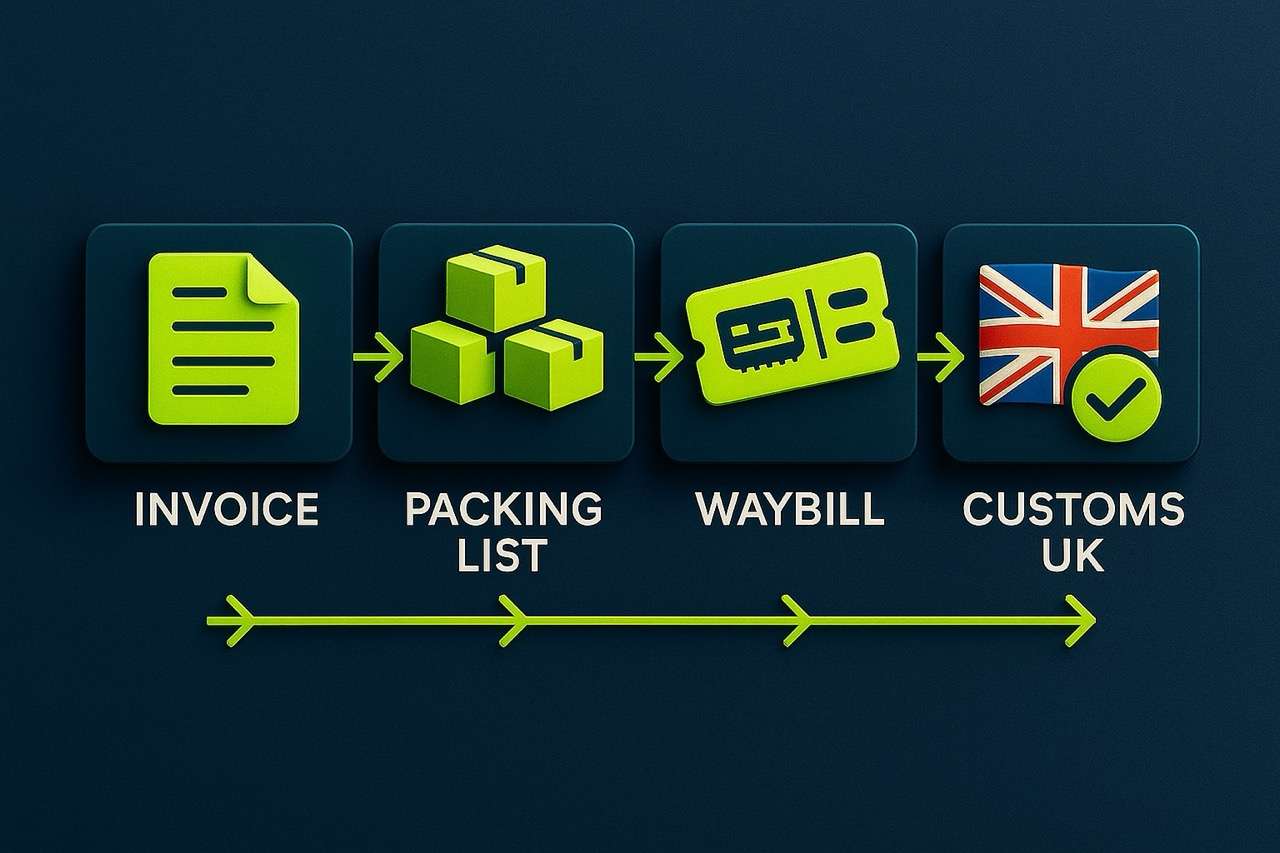
Key Documents for UK Customs (Post-Brexit Compliance)
Importing goods to the UK by rail from China requires strict customs documentation—especially after Brexit. Proper paperwork means fast clearance and avoids costly delays.
Essential documents for UK rail freight imports:
- Commercial Invoice: Shows buyer/seller details, full goods description, and value.
- Packing List: Itemizes every product, weight, and packaging type.
- Rail Bill of Lading (Waybill): Proof of goods’ journey by rail.
- Certificate of Origin: Confirms where the goods are made (vital for duty rates).
- Import Licenses (if needed): For certain controlled or sensitive goods.
- Insurance Certificate: Highly recommended for valuable shipments.
| Document | Purpose/Benefit |
|---|---|
| Commercial Invoice | Valuation for duty & VAT |
| Packing List | Inspection, logistics coordination |
| Rail Waybill | Proof of transport |
| Certificate of Origin | Duty/tariff calculation |
| Import Licenses | Legal import of restricted items |
| Insurance Certificate | Protects your investment |
Incomplete or inaccurate documents are the number one cause of customs delays!
Dealing with HMRC: Tips, EORI, and UK VAT Rules
After Brexit, UK customs (HMRC) processes are more independent than ever. Avoid fines, audits, or delays with these essentials:
Get an EORI Number:
- Every UK importer/exporter must have a unique Economic Operator Registration and Identification (EORI) number starting with “GB.”
- Apply via gov.uk.
Paying UK VAT & Duties:
- Most goods from China are subject to UK import VAT (usually 20%) and customs duties based on HS code.
- Declare goods correctly—use the right tariff codes and values.
- Pay duties and VAT before your goods are released for delivery.
Top tips for UK rail imports:
- Double-check paperwork before departure—corrections at the border are slow and expensive.
- Use a registered customs broker for complex or high-value shipments.
- Register for VAT if your business is not already—this allows VAT recovery on imports.
| HMRC Requirement | What To Do | Why It Matters |
|---|---|---|
| EORI Number | Register in advance | Required for all imports |
| Correct HS Code | Verify for every shipment | Accurate duty calculation |
| Duty/VAT Payment | Set up payments before arrival | Prevents delivery delays |
| Use a Broker | For new/complex cases | Expert error prevention |
Product Compliance: UKCA Marking, Restricted Goods, Special Licenses
Product compliance is mandatory for many imports—especially with post-Brexit UK rules.
UKCA Marking
- UK Conformity Assessed (UKCA) is the new standard for products in the UK (replacing CE marking for most categories).
- Required for electronics, toys, machinery, medical devices, and more.
Restricted/Controlled Goods
- Some goods need special import licenses or certificates—for example, chemicals, medical items, weapons, food products, and dual-use goods.
- Check the UK Strategic Export Control Lists.
Certificates & Testing
- Certain products must have proof of compliance (e.g., RoHS, REACH, safety testing).
- Failing compliance can lead to seizures, penalties, or total loss of goods.
| Product Type | Compliance Needed | Key Action |
|---|---|---|
| Electronics | UKCA, RoHS | UK test/certification |
| Toys/Children’s | UKCA, EN71 | Lab testing, certification |
| Chemicals | REACH, license | Declare/import license |
| Food/Medical | Health/Safety, license | Approval, traceability |
Sustainability & Environmental Impact of Rail Freight China–UK

Rail’s Carbon Footprint vs Other Modes
Rail freight is the clear winner for UK businesses looking to cut emissions.
Shipping by train from China to the UK uses far less energy and produces a fraction of the CO₂ compared to air or road freight.
| Transport Mode | CO₂ Emissions (g/ton-km) | Environmental Impact |
|---|---|---|
| Rail Freight | 14–28 | Lowest (up to 90% less than air) |
| Sea Freight | 35–50 | Moderate |
| Road Freight | 60–150 | High |
| Air Freight | 500+ | Extremely High |
Key benefits:
- Rail emits up to 90% less CO₂ than air freight and 60% less than road transport.
- Every shipment helps UK importers hit sustainability targets and cut supply chain emissions.
UK Green Regulations and Incentives for Rail Freight
The UK government and the EU are pushing hard for sustainable logistics. Rail freight is at the centre of these efforts.
UK green logistics highlights:
- Rail incentives: Government grants and tax benefits for companies using low-carbon freight.
- “Net Zero 2050” target: UK law requires dramatic emissions cuts—rail helps you get there faster.
- Urban access: Rail-served hubs in London, Midlands, and Manchester help avoid congestion and comply with Low Emission Zone (LEZ) rules.
- Reporting requirements: Businesses must increasingly document and disclose transport emissions.
Pro tip:
Using rail isn’t just greener—it can also unlock compliance incentives and boost your brand’s sustainability credentials.
Corporate Social Responsibility (CSR) and UK Reporting
Sustainability is now business-critical in the UK.
Customers, partners, and regulators expect companies to take action on their supply chain footprint.
Rail freight supports CSR in three key ways:
- ESG & annual reporting: Rail’s low emissions make it easier to meet Environmental, Social & Governance (ESG) criteria.
- Winning tenders: Many government and large corporate contracts require proof of green logistics choices.
- Brand image: Eco-conscious delivery sets you apart in the eyes of UK customers and stakeholders.
| CSR Benefit | How Rail Helps |
|---|---|
| ESG/Net Zero compliance | Low carbon, easily tracked |
| Green procurement scores | Preferential treatment for rail users |
| Stakeholder confidence | Visible, verifiable commitment to green goals |
Choose rail freight from China to the UK—not just for cost and speed, but to lead on sustainability and strengthen your market position.
Challenges & Limitations of China–UK Rail Freight

Capacity, Booking, and Space Constraints
Rail freight capacity is limited—especially during peak periods.
Unlike ocean shipping, trains offer fewer slots and space can fill quickly.
Key challenges:
- Limited departures: Weekly or bi-weekly trains mean fewer opportunities to ship.
- Peak season rush: Demand surges before holidays (Christmas, Black Friday, Chinese New Year), making advance booking essential.
- LCL bottlenecks: Shared containers (LCL) may face delays if consolidation is slow.
| Constraint | Impact for Importers |
|---|---|
| Fewer departures | Must plan shipments in advance |
| Limited space per train | Potential for waitlists or rollovers |
| High demand in peak times | Risk of higher rates, delayed shipments |
Pro tip: Book early and consider FCL for guaranteed space!
UK Infrastructure & Terminal Bottlenecks
While the UK has modern rail terminals, infrastructure can become a bottleneck:
- Congestion: Busy arrival points like London Barking or Manchester may face short-term backlogs.
- Storage space: Limited on-site storage can mean extra fees or the need for quick collection.
- Intermodal transfer delays: Rail-to-road handoff may add a day or two, especially during strikes or maintenance periods.
Stay ahead:
Partner with forwarders who offer real-time updates and have priority terminal access.
Customs Delays and Border Friction (UK–EU post-Brexit)
Post-Brexit changes have added new friction to cross-border rail trade.
Key issues include:
- New UK customs rules: Additional paperwork and stricter compliance checks.
- Border delays: Clearance between UK and EU can be unpredictable, particularly for poorly documented shipments.
- Regulatory divergence: Ongoing changes in standards, product compliance, and documentation.
| Customs Challenge | Risk/Impact |
|---|---|
| Incomplete documentation | Shipment holds, fines |
| Changing UK/EU rules | Compliance uncertainty |
| Border congestion | Unpredictable delivery timelines |
Tip: Use experienced customs brokers to minimize friction and keep cargo moving.
Competition with Sea and Road Freight
Rail isn’t always the best fit—it faces tough competition from other modes:
- Sea freight:
- Still the cheapest option for non-urgent, high-volume cargo.
- Much higher capacity and regular departures.
- Road freight:
- Wins on last-mile flexibility within the UK and rapid response for domestic or close-to-Europe shipments.
| Mode | Main Advantage | Main Limitation |
|---|---|---|
| Rail | Fast, eco-friendly, inland hubs | Space/capacity, frequency |
| Sea | Lowest cost, massive volume | Slow, port congestion |
| Road | Door-to-door, flexible | High emissions, cost for long distances |
Smart supply chains often combine rail with sea and road for the best balance of speed, cost, and reliability.
Recent Developments & Future Outlook for China–UK Rail Freight
Belt & Road Initiative: Impact on UK–China Trade
The Belt & Road Initiative (BRI) continues to drive growth in direct China–UK rail connections.
- New Silk Road: Billions invested in Eurasian railways, boosting trade efficiency and reliability.
- Stronger links: More frequent, regular departures from major Chinese cities to the UK.
- Market expansion: UK businesses—large and small—now access faster, more flexible routes for imports and exports.
Key advantage:
BRI-backed rail means lower barriers, more predictable schedules, and new opportunities for British importers.
Upgrades to UK Terminals and Rail Infrastructure
The UK is investing heavily in modernizing rail freight infrastructure to meet rising demand:
- London Barking: Enhanced customs facilities and increased train handling capacity.
- Manchester & Midlands: New terminals and warehousing solutions, cutting last-mile delivery times.
- Intermodal improvements: Seamless transfer between rail, road, and warehousing.
| Upgrade Area | Benefit for Importers |
|---|---|
| Faster clearance | Quicker delivery, less waiting |
| More storage | Reduces congestion risk |
| Tech integration | Streamlined documentation |
Result:
Faster, smoother UK logistics—ensuring your rail shipments stay on schedule.
New Routes, Middle Corridor, and Intermodality (Rail–Road–Sea)
Alternative corridors are transforming supply chain resilience:
- Middle Corridor:
- Bypasses Russia/Belarus, using Kazakhstan, Caspian Sea, Turkey, and on to Europe.
- Slightly longer, but lower geopolitical risk—increasingly popular post-2022.
- Flexible routing:
- Cargo can switch easily between rail, road, and even short-sea links to reach the UK.
- Multimodal synergy:
- Integrating rail with road/sea delivers true door-to-door solutions.
What it means for you:
More options, greater flexibility, and a logistics network that adapts to world events.
FAQ: Rail Freight from China to UK
Is rail freight from China to the UK faster than sea shipping?
Yes! Typical rail transit times are 18–20 days, compared to 35–45 days by sea. Rail offers the perfect balance of speed and affordability for UK importers.
How much does rail freight from China to the UK cost?
In 2025, expect $2,500–$5,000 for a 20ft container, depending on season, route, and service. LCL (groupage) rates usually start from $1.30–$3.00 USD/kg. Rail is significantly cheaper than air freight, but a bit higher than ocean shipping.
What documents are required for customs clearance in the UK?
You’ll need a commercial invoice, packing list, rail waybill, certificate of origin, and, if applicable, import licenses and product compliance certificates (such as UKCA marking for electronics or toys).
Can I use DDP (Delivered Duty Paid) service for rail freight to the UK?
Absolutely. DDP rail freight covers all costs—including freight, duties, VAT, and delivery—making imports simple and risk-free, especially for first-time or e-commerce importers.
Is rail freight from China to the UK reliable?
Yes, rail services offer fixed schedules, regular departures, and real-time tracking. Booking early during peak season is recommended to secure space and best rates.
Does rail freight help my business achieve sustainability targets?
Definitely. Rail freight boasts the lowest carbon footprint of all long-distance transport modes and supports both UK and EU sustainability requirements.