
- China's import customs clearance typically takes 1-3 days with complete documentation.
- Exporters must use China Customs' HS codes for accurate product classification and tariff calculation.
- Direct sea freight to major Chinese ports like Shanghai or Shenzhen is fastest for bulk shipments.
- Air freight is preferred for high-value or urgent goods, with transit times of 2-5 days to China.
- All shipments require CIQ inspection; missing certificates can delay entry by up to 7 days.
- E-commerce exports to China must comply with cross-border logistics regulations and bonded warehouse rules.
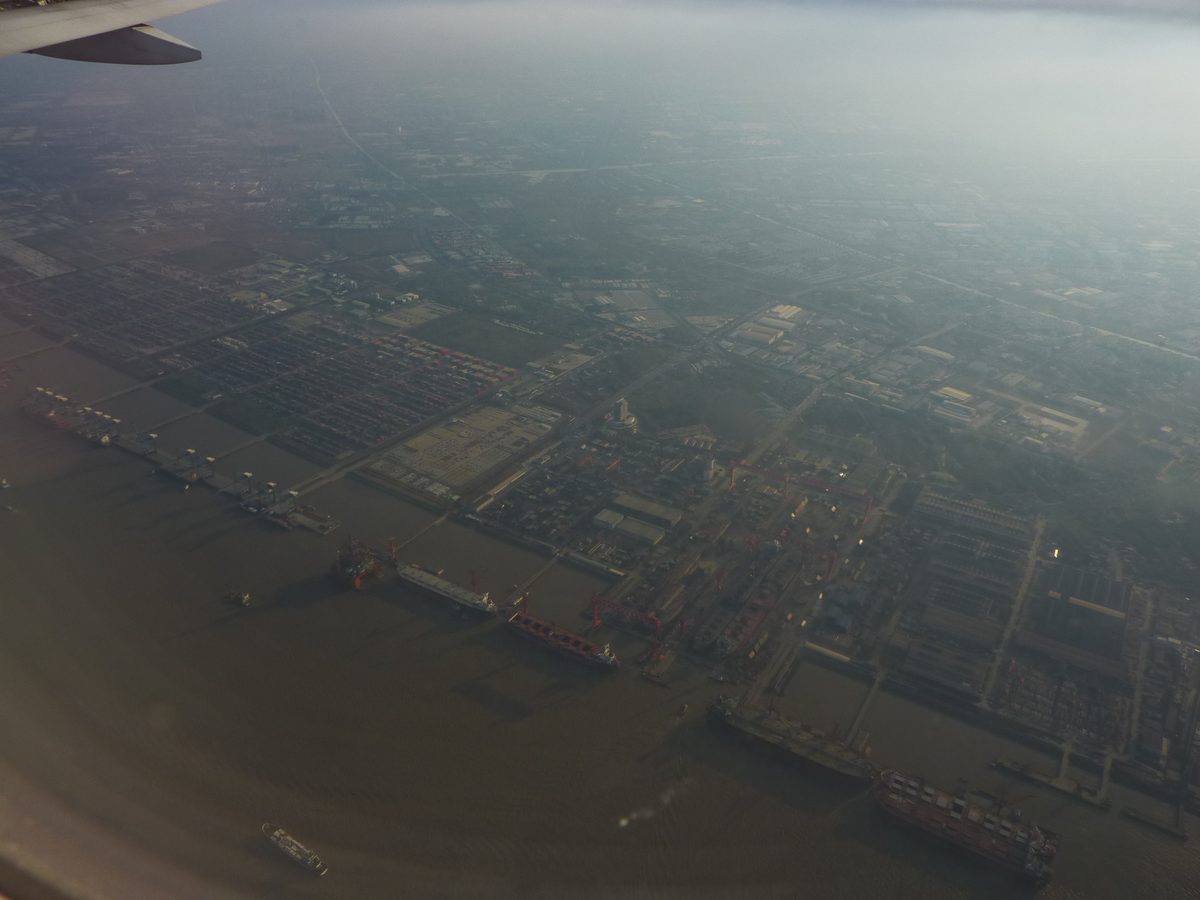
Exporting to China is a dynamic opportunity for international businesses, but navigating the logistics landscape requires precision, local insight, and compliance with evolving regulations. Whether you’re a seasoned exporter or new to the Chinese market, understanding the intricacies of shipping, customs, and distribution is crucial for success. This guide is designed to help importers, operations managers, and supply chain professionals master the logistics required to enter China in 2026.
China’s vast geography, diverse consumer base, and robust infrastructure offer immense potential, but also pose unique challenges. From choosing the right transport mode—sea, air, rail, or express—to managing customs procedures, bonded zones, and domestic distribution centres, every step demands attention to detail. The rise of e-commerce, cross-border trade, and new regulatory frameworks further shape the logistics landscape, making it essential to stay informed and agile.
Below, we break down the key logistics considerations for exporting to China, including transport options, compliance requirements, distribution strategies, and risk management. Throughout, you’ll find practical comparisons, actionable checklists, and links to deep-dive guides on market entry strategies, regulations, distribution, and more.
1. Choosing the Right Transport Mode
China’s logistics infrastructure supports a wide range of transport modes, each with distinct advantages for exporters. Selecting the optimal mode depends on your cargo type, budget, delivery timelines, and destination within China.
Sea Freight
Sea freight remains the backbone of China’s import logistics, especially for bulk shipments and cost-sensitive cargo. Major ports such as Shanghai, Shenzhen, Ningbo, and Qingdao offer seamless connections and sophisticated handling facilities. For an in-depth look at sea freight options, visit our sea freight from China guide.
Air Freight
Air freight is ideal for high-value, time-critical goods. Chinese airports like Shanghai Pudong, Beijing Capital, and Guangzhou Baiyun facilitate rapid clearance and distribution. Air freight is typically more expensive, but offers unmatched speed. Learn more about air cargo logistics in our air freight from China guide.
Rail Freight
Rail freight is increasingly popular for shipments to and from Europe, leveraging the Belt and Road Initiative. Rail offers a balance between cost and speed, with routes connecting China to Germany, Poland, and other European hubs. Explore rail options in our rail freight from China guide.
Express & Courier
For small parcels and e-commerce orders, express courier services (DHL, FedEx, UPS, SF Express) provide door-to-door delivery with fast transit times. See our express courier shipping from China guide for details.
Road & Inland Trucking
Road transport is essential for moving goods from ports or airports to inland cities, bonded zones, or domestic distribution centres. China’s extensive highway network enables efficient trucking, but local regulations and tolls must be considered. Read more in our road inland trucking from China guide.
Mode Comparison Table
| Mode | Cost Range (USD/CBM) | Transit Time (Days) | Ideal Cargo Type | Main Hubs |
|---|---|---|---|---|
| Sea Freight | $50–$150 | 15–40 | Bulk, heavy, non-urgent | Shanghai, Shenzhen, Ningbo, Qingdao |
| Air Freight | $3–$8/kg | 2–7 | High-value, urgent | Shanghai, Beijing, Guangzhou |
| Rail Freight | $200–$350 | 12–25 | Palletised, mid-value | Chongqing, Zhengzhou, Xi’an |
| Express | $10–$25/kg | 2–6 | Small parcels, e-commerce | All major cities |
| Road | $0.5–$2/km | 1–5 | Domestic distribution | Nationwide |
2. Export Procedures & Documentation
Proper documentation is the foundation of successful logistics into China. Exporters must comply with both their local regulations and Chinese import requirements, which can vary by product category.
Key Documents
- Commercial Invoice
- Packing List
- Bill of Lading (for sea/rail), Air Waybill (for air)
- Certificate of Origin
- Importer of Record (IOR) registration
- Product-specific certificates (e.g., CCC, CFDA, CIQ)
- Customs declaration forms
For detailed step-by-step guidance, see our export procedures & documentation guide.
Importer of Record (IOR)
The IOR is responsible for customs clearance, payment of duties, and compliance with Chinese regulations. Foreign exporters can appoint a local distributor, agent, or third-party logistics provider as their IOR. This is especially crucial for cross-border e-commerce and bonded zone shipments.

3. Navigating Chinese Regulations & Certifications
China’s regulatory environment is complex and subject to frequent updates. Exporters must ensure their products meet all relevant standards, labelling, and registration requirements.
Product Labelling & Registration
Chinese language labels are mandatory for most consumer goods, including food, cosmetics, electronics, and apparel. Labels must include product name, specifications, manufacturer details, and country of origin. Some categories require pre-market registration with authorities such as the China Food and Drug Administration (CFDA) or China Inspection and Quarantine (CIQ).
Certifications
Common certifications include:
- CCC (China Compulsory Certification) for electrical/electronic products
- CFDA approval for medical devices and pharmaceuticals
- CIQ clearance for agricultural and food products
For a deep dive into compliance, visit our Chinese regulations & certifications guide.
Compliance Checklist Table
| Requirement | Applicable Products | Responsible Party | Key Steps |
|---|---|---|---|
| Chinese Labelling | Consumer goods, food, cosmetics | Exporter/IOR | Translate, verify, affix |
| CCC Certification | Electronics, appliances | Exporter/Manufacturer | Apply, test, certify |
| CFDA Registration | Medical, pharma | Exporter/IOR | Submit dossier, approval |
| CIQ Inspection | Food, agriculture | Exporter/IOR | Pre-shipment inspection |
| Customs Declaration | All | IOR | File with Chinese customs |
4. Cross-Border vs General Trade: Logistics Differences
China distinguishes between cross-border e-commerce and general trade imports, each with unique logistics flows, tax regimes, and compliance requirements.
Cross-Border E-Commerce
Cross-border e-commerce allows overseas sellers to ship directly to Chinese consumers via platforms like Tmall Global, JD Worldwide, and Kaola. Goods are typically stored in bonded warehouses, cleared under simplified procedures, and subject to preferential tax rates.
General Trade
General trade covers bulk imports for domestic distribution and retail. It involves full customs clearance, standard VAT and import duties, and stricter regulatory compliance.
Comparison Table: Cross-Border vs General Trade
| Aspect | Cross-Border E-Commerce | General Trade |
|---|---|---|
| Customs Procedures | Simplified, faster | Standard, detailed |
| Taxation | Preferential rates (approx. 9.1–11.2%) | Standard VAT (13%) + import duties |
| Storage | Bonded warehouses | Domestic DCs |
| Product Registration | Often waived for small parcels | Mandatory |
| Platforms | Tmall Global, JD Worldwide | Distributors, retailers |
5. Logistics into Bonded Zones & Domestic Distribution Centres
Bonded zones play a pivotal role in China’s import logistics, offering duty-free storage, value-added services, and streamlined customs procedures. Domestic distribution centres (DCs) facilitate last-mile delivery to retailers and consumers.
Bonded Zones
Bonded zones are designated areas where goods can be stored, processed, or repackaged before customs clearance. This allows importers to defer duties, manage inventory, and support cross-border e-commerce.
- Key bonded zones: Shanghai Free Trade Zone, Shenzhen Qianhai, Guangzhou Nansha, Tianjin Dongjiang.
Domestic Distribution Centres
Once goods clear customs, they are transferred to domestic DCs for nationwide distribution. DCs are strategically located near major cities and transport hubs to optimise delivery times.
See our logistics & distribution in China guide for strategies on warehouse selection and inventory management.
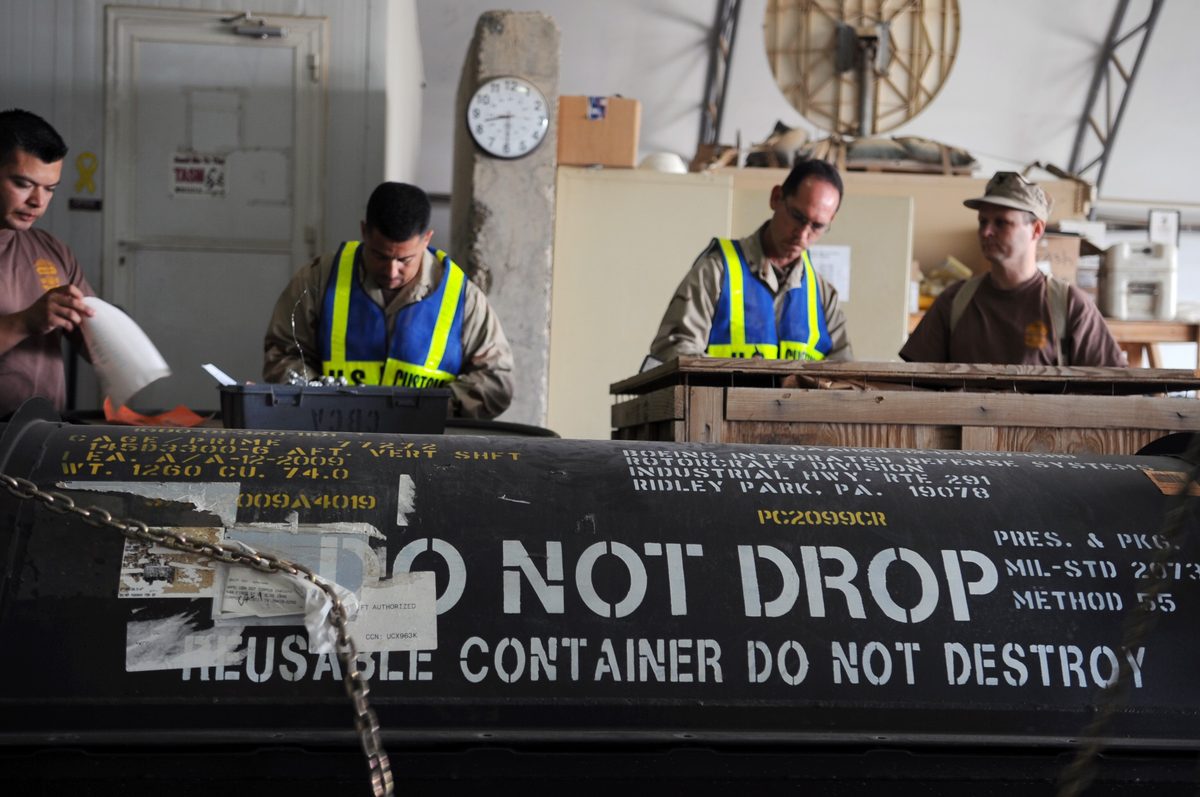
6. Partnering with Distributors & Agents
Local distributors and agents are invaluable for navigating China’s logistics, customs, and regulatory requirements. They often act as the Importer of Record, handle labelling and registration, and manage distribution channels.
- Distributors typically focus on bulk imports and retail distribution.
- Agents specialise in niche markets, product registration, and compliance.
Learn more about selecting and managing partners in our distributors & agents guide.
7. Selling on Chinese E-Commerce Platforms
E-commerce is a fast-growing channel for exporters to China. Platforms like Tmall Global, JD Worldwide, and Pinduoduo offer access to millions of consumers, but require specialised logistics and fulfilment strategies.
- Leverage bonded warehouses for cross-border e-commerce.
- Integrate with platform logistics (e.g., JD Logistics, Cainiao).
- Ensure product listings comply with Chinese labelling and registration requirements.
For a comprehensive overview, see our e-commerce platforms guide.
8. Export Taxes, Tariffs & Incentives
Understanding China’s tax and tariff landscape is essential for accurate costing and compliance.
- Import VAT: Typically 13% for most goods.
- Import Duties: Vary by HS code (0–25%+).
- Cross-border e-commerce: Preferential rates (approx. 9.1–11.2%).
- Incentives: Free trade zones, bonded warehouses, and export rebates.
Get detailed breakdowns in our export taxes, tariffs & incentives guide.
9. Risk Management & IP Protection
China’s logistics environment is robust, but risks such as customs delays, regulatory changes, and intellectual property (IP) infringement persist.
- Mitigate risks with comprehensive insurance, real-time tracking, and robust documentation.
- Register trademarks and patents to protect IP.
- Monitor regulatory updates and maintain compliance.
See our risk management & IP protection guide for actionable strategies.
10. Trade Fairs & Business Development
Trade fairs like the Canton Fair, China International Import Expo (CIIE), and regional expos offer opportunities to connect with local distributors, logistics providers, and regulators.
- Attend fairs to build relationships, understand logistics options, and stay updated on regulatory changes.
- Prepare samples, compliance documents, and marketing materials.
Explore upcoming events in our trade fairs & business development guide.
11. SINO’s End-to-End Export Solutions
SINO Shipping offers integrated logistics solutions tailored for exporters to China. From transport mode selection to customs clearance, bonded zone management, and domestic distribution, we ensure seamless operations.
- Multi-modal transport (sea, air, rail, express, road)
- Customs brokerage and IOR services
- Bonded warehousing and inventory management
- Last-mile delivery to retailers and consumers
Request a custom quote or discover our end-to-end solutions.
12. Key Logistics Planning Steps for 2026
To succeed in China’s evolving market, exporters should:
- Assess product-specific regulatory requirements and certifications.
- Select optimal transport mode and main entry hub (e.g., Shanghai, Shenzhen).
- Appoint a qualified IOR and ensure proper documentation.
- Choose between cross-border e-commerce and general trade.
- Plan logistics into bonded zones or domestic DCs.
- Partner with local distributors, agents, or e-commerce platforms.
- Monitor tax, tariff, and incentive updates.
- Implement risk management and IP protection measures.
For more detailed planning, see our shipping from China guide and export to China overview.
For tailored logistics support, request a quote or contact SINO Shipping for expert guidance.