
In this guide
- Reefer container sea freight from China to US West Coast costs $2,500-$5,000 per 20' container.
- Transit times for cold chain sea freight range from 18-35 days, while air freight is 3-7 days.
- Cold chain failures can cause up to 30% cargo loss for perishables during transit.
- China's cold chain logistics market grew 15% annually from 2019-2023, with over 1.2 million TEU of reefer cargo exported in 2023.

Importing temperature-sensitive goods from China—whether seafood, fruit, pharmaceuticals, or biotech products—requires more than just careful packing. It demands a robust cold chain logistics strategy that maintains precise temperatures from the factory floor to the final destination. With China’s cold chain logistics market growing at 15% annually from 2019 to 2023, and over 1.2 million TEU of reefer cargo exported in 2026, the stakes are higher than ever for importers. In this guide, we break down how cold chain shipping works, the equipment and compliance standards you’ll face, and the pitfalls that can wipe out up to 30% of your cargo’s value if you get it wrong.
What Is Cold Chain Logistics? (Why Temperature Control Matters for Imports from China)
Cold chain logistics is the backbone for shipping goods that must remain within strict temperature ranges throughout their journey. This includes transport, storage, and handling—not just during ocean or air transit, but at every touchpoint from Chinese factory to overseas warehouse.
Cold Chain Explained
At its core, cold chain logistics addresses the unique needs of products that degrade, spoil, or lose efficacy if exposed to temperatures outside their safe zone. This goes far beyond basic shipping. The cold chain must be unbroken: a single temperature excursion can ruin an entire shipment of vaccines or seafood.
- Reefer containers (refrigerated containers) are the workhorses, capable of maintaining temperatures from -30°C to +30°C. This flexibility covers frozen, chilled, and ambient-sensitive cargo.
- Cold chain applies not just to ocean freight but also to air, rail, and multimodal routes. Every mode introduces its own risks and requirements.
Cargo Types Needing Cold Chain
Certain product categories are especially reliant on cold chain logistics:
| Cargo Type | Typical Temperature Range | Example Products |
|---|---|---|
| Frozen | -18°C and below | Seafood, meats, ice cream |
| Chilled | 2-8°C | Dairy, fruit, vegetables |
| Ambient-sensitive | 15-25°C | Pharmaceuticals, biotech |
- Seafood, fruit, dairy, vaccines, and biotech products are the most common cold chain cargo exported from China.
- Each product type has a narrow temperature tolerance. For example, many vaccines must remain between 2-8°C, while some biotech reagents require 15-25°C.
- With China exporting over 1.2 million TEU of reefer cargo in 2026, the importance of precise temperature control is clear.
If you’re shipping these goods, understanding the basics of cold chain is non-negotiable. For a broader look at shipping requirements, see the complete China shipping process.
Reefer Containers & Equipment Explained (Sea, Air, and Multimodal Options)
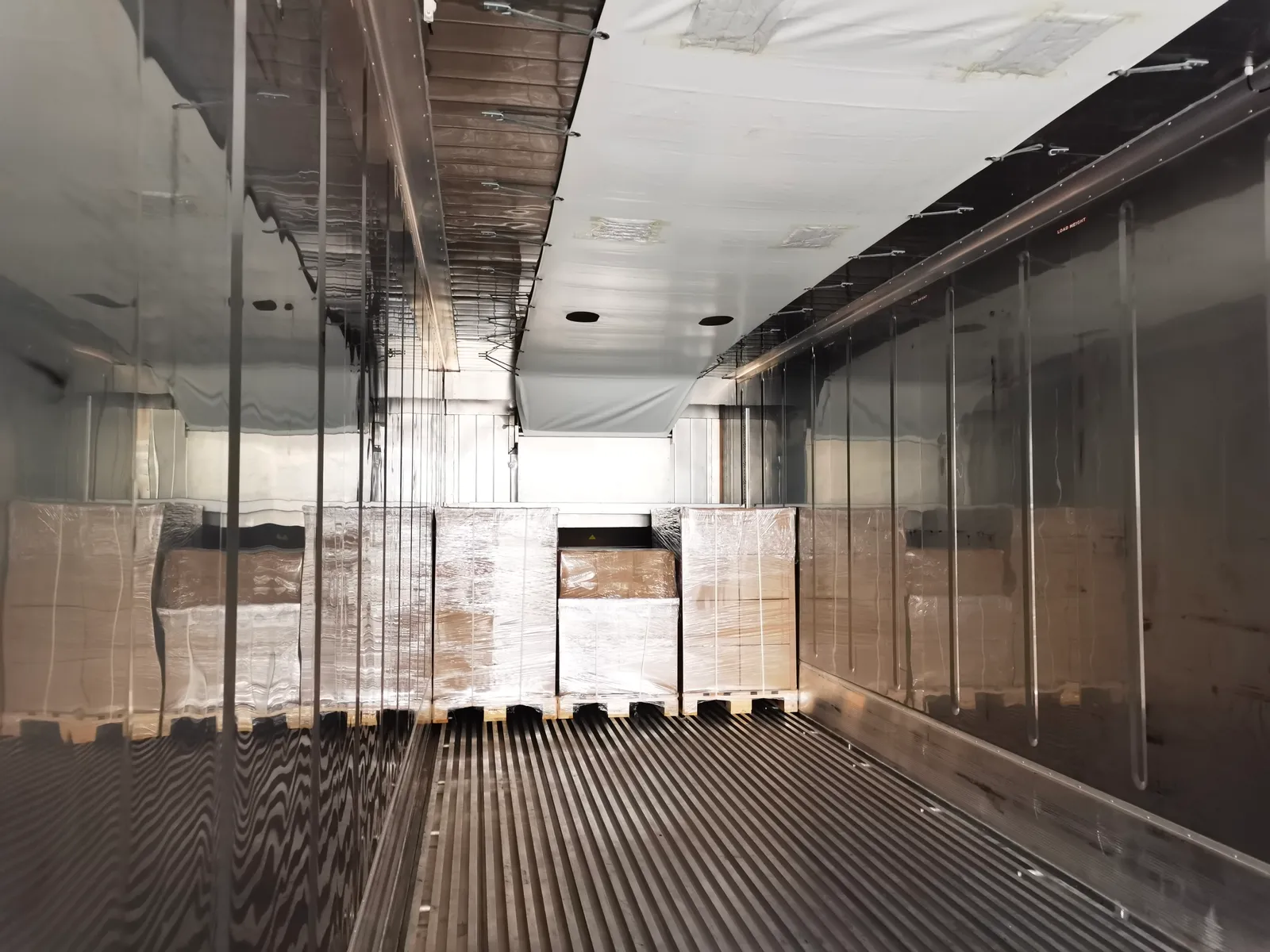
The right equipment is the linchpin of any successful cold chain shipment. China’s logistics infrastructure offers a variety of solutions across sea, air, and multimodal routes, each with distinct capabilities and limitations.
Ocean Reefer Specs
- Reefer containers come in 20-foot and 40-foot sizes, making them compatible with most global container ships.
- The global fleet now exceeds 2.6 million TEU of reefer capacity, ensuring availability for major trade lanes.
- These containers maintain -30°C to +30°C, with digital controls and alarm systems to alert for temperature deviations.
- Major Chinese ports—including Shanghai, Shenzhen, and Qingdao—offer dedicated reefer plug-in points and 24/7 monitoring.
| Container Size | Typical Use | Temperature Range |
|---|---|---|
| 20’ Reefer | High-value, low-volume cargo | -30°C to +30°C |
| 40’ Reefer | Bulk perishables, pharmaceuticals | -30°C to +30°C |
- In 2026, China exported more than 1.2 million TEU of reefer cargo, primarily seafood, fruit, and pharmaceuticals.
Air Cargo Solutions
- Temperature-controlled ULDs (Unit Load Devices) are used for air freight, offering active cooling or insulation.
- Active packaging (with battery-powered refrigeration) and passive packaging (insulated boxes with gel packs) are both common.
- Major airlines operating out of Chinese airports (PVG, CAN) provide pharma-certified services for high-value, sensitive shipments.
- Air freight is the go-to for pharmaceuticals and urgent perishables due to its speed, despite higher costs.
Multimodal Cold Chain
- Multimodal cold chain combines sea, rail, and trucking, with integrated temperature monitoring across each leg.
- For example, a shipment might travel by reefer container from Shanghai to Europe via rail, then by refrigerated truck to the final consignee.
- These solutions are increasingly popular for destinations with limited direct ocean or air access, but require careful coordination and monitoring.
For a detailed breakdown of equipment specs and when to choose each mode, see our guide to shipping method comparisons.
Navigating Cold Chain Compliance (China Export Rules & Destination Regulations)
Cold chain shipping is heavily regulated—both by Chinese authorities and by destination countries. Compliance failures can mean cargo rejection, fines, or even destruction.
China Export Standards
- China enforces strict cold chain standards for food and pharmaceuticals. Key frameworks include HACCP (Hazard Analysis and Critical Control Points) for food and GDP (Good Distribution Practice) for pharmaceuticals.
- Exporters must document every stage of the cold chain, from factory to port, to demonstrate compliance.
- For pharmaceuticals and biotech, GDP compliance and real-time temperature monitoring are standard requirements.
Destination Import Rules
- Destination countries often require additional certifications. Examples include:
- FDA for the US (food, pharma)
- EU GDP for pharmaceuticals entering the European Union
- CEIV Pharma for air cargo, recognized globally
- Failing to meet these standards can result in cargo rejection, fines, or forced destruction at the destination port or airport.
Pharma & Food Compliance
- Pharmaceutical and biotech shipments need real-time temperature monitoring and chain-of-custody documentation.
- Food shipments may require HACCP certification and proof of unbroken cold chain.
- Non-compliance is a major risk—especially for high-value or regulated cargo. For more on navigating compliance, see challenges in China shipping.
Temperature Monitoring & Cargo Handling (Best Practices at Chinese Ports and Airports)
Maintaining product integrity hinges on real-time temperature monitoring and correct handling at every touchpoint. Failures here are a leading cause of spoilage and rejected shipments.
Real-Time Tracking
- Real-time temperature monitoring is now standard for pharmaceuticals and high-value perishables.
- Data loggers and IoT sensors track temperature, humidity, and even light exposure from origin to destination.
- Importers can access live data to spot excursions and respond before the cargo is compromised.
Pre-Cooling & Loading
- Pre-cooling cargo before loading into reefer containers dramatically reduces the risk of temperature excursions.
- For example, fruit should be cooled to the target temperature at the packing house—reefer units are designed to maintain temperatures, not lower them for warm cargo.
- Skipping this step can lead to spoilage, condensation, or even mold, especially on long-haul routes.
Handling at Ports/Airports
- Major Chinese ports like Shanghai, Shenzhen, and Qingdao are equipped with dedicated reefer handling areas and plug-in facilities for containers waiting to load.
- Airports such as PVG (Shanghai Pudong) and CAN (Guangzhou Baiyun) feature pharma-certified cold storage and priority handling for temperature-sensitive cargo.
- These facilities minimize the time cargo spends outside controlled environments—a critical factor in hot or humid climates.
For more on port and airport capabilities, see our guide to China’s main logistics hubs.
Transit Times, Costs, and Route Choices (Sea vs Air vs Rail for Cold Chain Freight)
Choosing the optimal route for your cold chain shipment is a balance between speed, cost, and risk. Here’s how the main options stack up for China-origin cargo.
Sea Freight Transit
- Transit times:
- Shanghai to Los Angeles: 18-22 days
- Shanghai to Rotterdam: 28-35 days
- Costs:
- Reefer container (20’): $2,500-$5,000 to US West Coast
- Sea freight is the most cost-effective for large volumes, but longer transit increases risk of spoilage and requires robust temperature control.
Air Freight Transit
- Transit times:
- Shanghai to Europe: 3-5 days
- Shanghai to US: 4-7 days
- Costs:
- Temperature-controlled air cargo: $6-$12 per kg
- Air freight for cold chain is 2-3 times more expensive than sea, but reduces transit time by 70%. It’s the preferred choice for high-value, urgent, or highly perishable goods.
| Mode | Transit Time | Typical Cost | Best For |
|---|---|---|---|
| Sea | 18-35 days | $2,500-$5,000/20’ reefer | Bulk perishables |
| Air | 3-7 days | $6-$12/kg | Pharma, urgent perishables |
| Rail | 12-18 days | Varies | Europe-bound, limited cap. |
Rail & Multimodal Options
- Rail cold chain is gaining traction on China-Europe corridors, with transit times of 12-18 days—faster than sea, but with more limited capacity.
- Multimodal solutions (sea-rail-truck) offer flexibility for inland destinations, but require seamless temperature monitoring and handoff procedures.
- For more details, see rail freight from China and multimodal shipping options.
Avoiding Common Mistakes in Cold Chain Shipping (Pitfalls Importers Should Know)
Even experienced importers can fall victim to cold chain pitfalls. Each of these mistakes can result in major cargo loss or disputes.
Contracting Errors
- Failing to specify exact temperature requirements and tolerances in the shipping contract is a top cause of disputes. For example, stating “chilled” without a precise range (e.g., 2-8°C) leaves room for error and liability gaps.
- Not clarifying who is responsible for temperature excursions—shipper, carrier, or consignee—can result in denied insurance claims.
Operational Oversights
- Overlooking the need for pre-cooling cargo before loading into reefer containers is a frequent error. Reefer units are not designed to bring warm cargo down to temperature, only to maintain it.
- Ignoring local port or airport cold storage capacity can lead to delays and temperature excursions. For instance, a backlog at a congested port may leave containers unplugged and cargo exposed.
Destination Risks
- Underestimating customs clearance time for temperature-sensitive cargo risks spoilage, especially if the cold chain is interrupted during inspection.
- Not verifying destination cold chain infrastructure—particularly in emerging markets—can result in cargo arriving safely in country, only to spoil before reaching its final destination.
For more on avoiding these pitfalls, see our checklist for choosing a freight forwarder and common shipping mistakes.
Bottom Line: Choosing the Right Cold Chain Solution (Key Takeaways for Importers)
Making the right choices in cold chain logistics is critical to protecting your cargo and your bottom line. We’ve seen that carrier selection should always prioritize proven cold chain compliance and real-time temperature monitoring capabilities. Your route choice—sea, air, or rail—should reflect the value, shelf life, and destination infrastructure for your goods. To mitigate risk, invest in cargo insurance, build contingency plans, and always verify cold chain infrastructure at both origin and destination. Remember, cold chain failures can result in losses of up to 30% for perishables—a risk too great to ignore.
For tailored advice on cold chain routes, equipment, or compliance for your next shipment, request a custom quote from our team. We’ll help you compare transit times, costs, and risk management strategies to keep your temperature-sensitive cargo safe from China to its final destination.