
In this guide
- Alibaba lists over 150,000 suppliers, but less than 10% have third-party verification.
- Supplier fraud and quality disputes account for over 20% of new importer complaints.
- Pre-shipment inspections cost $200-$400 and help prevent costly shipping issues.
- Overpaying by 10-30% is common when importers fail to compare multiple supplier quotes.
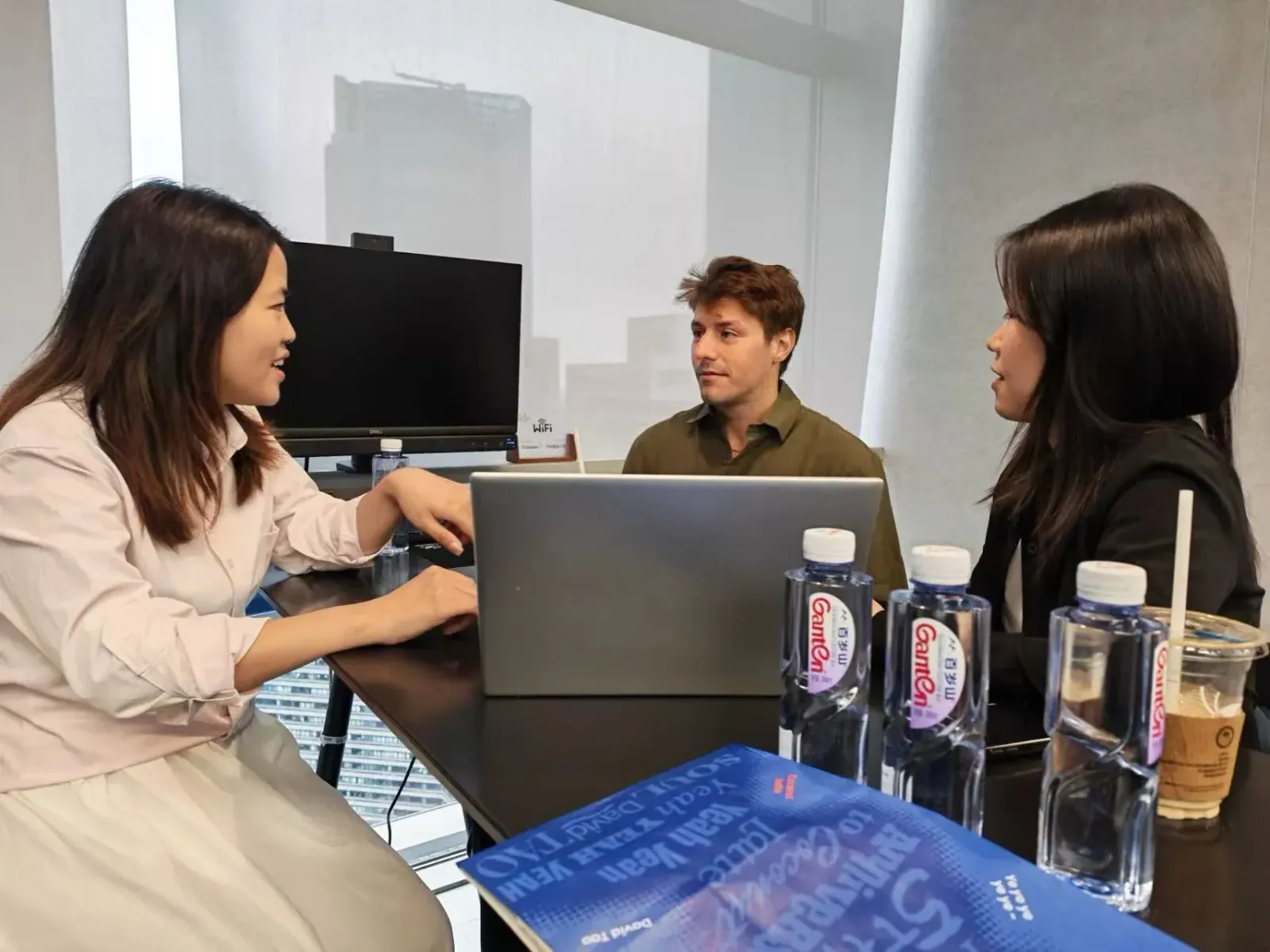
Finding the right suppliers in China is the single most important decision you’ll make before arranging international freight. With over 150,000 suppliers on Alibaba alone, and massive wholesale hubs like Yiwu Market exporting to more than 210 countries, the supplier landscape is vast—but also full of risks. The choices you make at this stage determine your costs, timelines, and the likelihood of smooth customs clearance once your goods are ready to ship. This guide breaks down exactly how to identify, verify, and negotiate with Chinese suppliers—so you can avoid the costly mistakes that derail over 20% of new importers, and set up your shipping operation for success.
Start Here: Navigating China’s Top Sourcing Platforms (What Every Importer Needs to Know)
Before you can ship, you need to source. China’s supplier ecosystem is anchored by four main channels—Alibaba, 1688.com, Global Sources, and Yiwu Market—each with distinct strengths, risks, and export focus.
Platform Overviews
- Alibaba: Over 150,000 active suppliers, with 40% offering export-ready products. Known for international trade, English-language support, and buyer protection.
- 1688.com: China’s largest domestic B2B marketplace. While designed for local buyers, it’s increasingly tapped by global importers seeking lower prices—if you can navigate Chinese language and payment methods.
- Global Sources: Hosts 30,000+ verified suppliers, 95% of whom are based in Greater China. Focused on electronics, consumer goods, and international export.
- Yiwu Market: The world’s largest wholesale market, covering 5.5 million square meters, with over 75,000 booths and direct export services to 210+ countries.
Key Differences
| Platform | No. of Suppliers | Export Focus | Buyer Protection | Language | Notable Features |
|---|---|---|---|---|---|
| Alibaba | 150,000+ | Strong (40% export) | Trade Assurance, Escrow | English | Broad categories, global reach |
| 1688.com | 100,000+ | Low (mainly domestic) | Limited (none for exports) | Chinese | Lowest prices, local focus |
| Global Sources | 30,000+ | Strong (95% in China) | Verified suppliers | English | Trade shows, electronics |
| Yiwu Market | 75,000+ booths | Strong | On-site, agent-based | Multilingual | Massive physical market |
- Alibaba offers English support and buyer protection programs, making it the go-to for first-time importers.
- 1688.com is best for experienced buyers with Chinese language skills and a local payment setup.
- Global Sources is ideal for those needing verified suppliers and attending trade fairs.
- Yiwu Market is unmatched for small commodities and bulk purchases—especially if you can visit in person.
Pros and Cons
Alibaba:
- International focus, buyer protection, large supplier pool
– Many trading companies, not all factories, “Gold Supplier” badge does not guarantee reliability
1688.com:
- Lowest prices, factory direct
– Chinese-only interface, no export support, limited buyer protection
Global Sources:
- High verification standards, export focus
– Smaller supplier pool, some categories limited
Yiwu Market:
- Huge variety, on-site negotiation, direct export services
– Requires travel or a local agent, quality varies by booth
For a deeper side-by-side of these marketplaces—plus DHgate, Made-in-China, and other platforms—see our ranked guide to the best China wholesale websites.
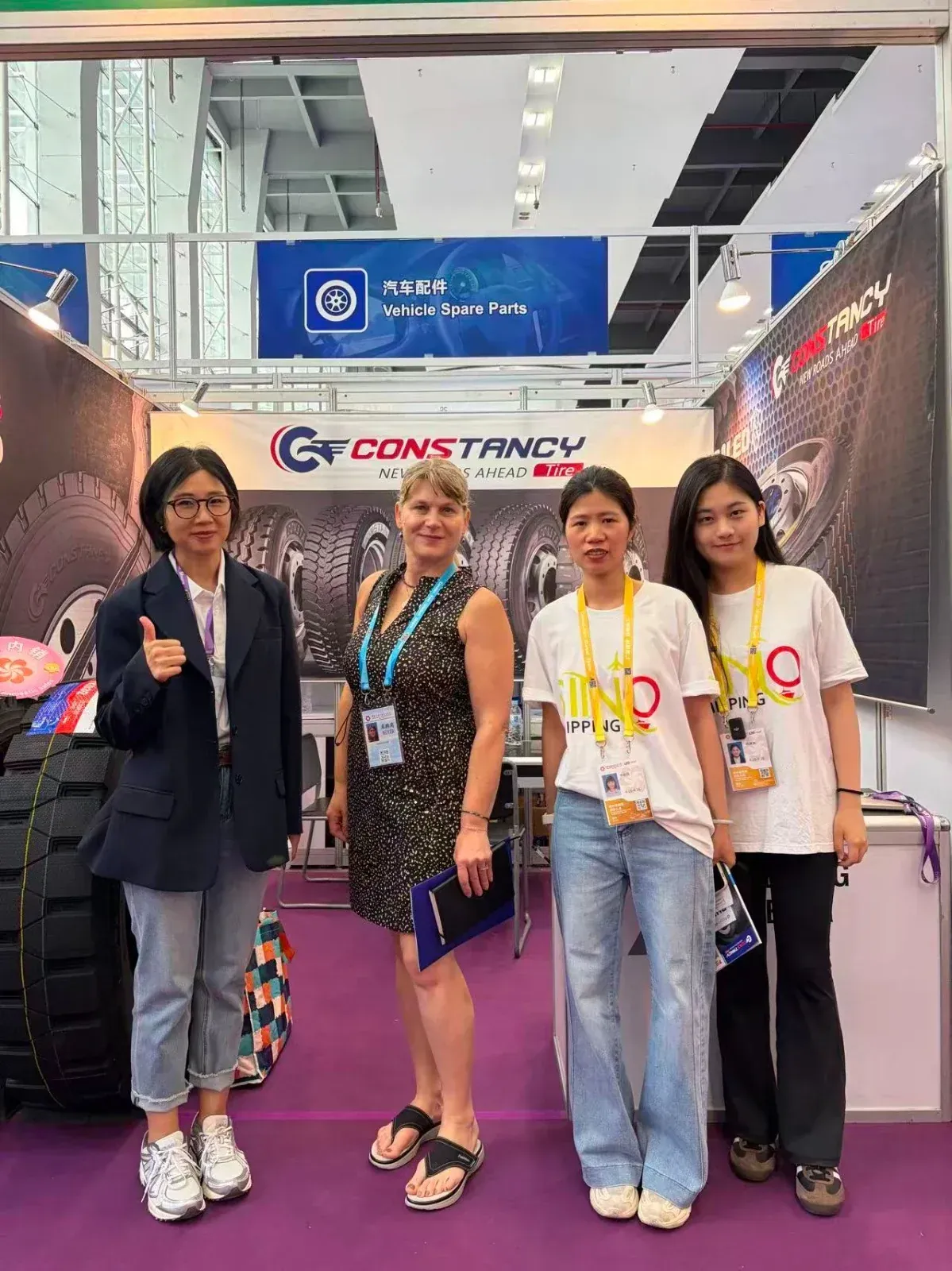
Don’t Get Burned: How to Verify Supplier Reliability (Checks, Audits, and Red Flags)
With less than 10% of suppliers on major platforms holding third-party verification, due diligence is non-negotiable. Supplier fraud and unreliable partners account for over 20% of sourcing complaints—often resulting in lost deposits, poor-quality goods, or customs holds.
Business License Checks
Always request a scanned copy of the supplier’s Chinese business license (营业执照) and export certificate. Cross-check the company’s registration details on official Chinese government databases, such as the National Enterprise Credit Information Publicity System. Verify:
- Registered company name (in Chinese)
- Unified Social Credit Code (18 digits)
- Business scope (must include manufacturing or export)
Trading companies often present themselves as factories—double check the license type.
Third-Party Audits
A third-party audit costs $300–$800 and is the gold standard for verifying supplier legitimacy, especially for orders above $10,000. Audits can include:
- On-site factory inspection (production lines, staff, equipment)
- Review of certifications and export records
- Assessment of quality control processes
Audit reports are typically delivered in 2-5 business days and can prevent costly mistakes down the line.
Red Flags
- Unwillingness to provide a business license or export certificate
- Email addresses using free domains (e.g., @163.com, @gmail.com) instead of company domains
- Pressuring for 100% upfront payment or only accepting unsecured methods (Western Union)
- “Gold Supplier” or platform badges without independent documentation
Quality Counts: Ensuring Product Compliance Before Shipping (Samples, Inspections, and Certifications)
Over 20% of disputes between importers and Chinese suppliers stem from product quality issues or non-compliance with destination market standards. The right quality assurance steps—before your goods ever leave China—can prevent shipment rejection, customs delays, or costly returns.
Sample Orders
Requesting product samples is standard practice. Expect to pay a sample fee (often refunded against your first order) and shipping cost. Use samples to:
- Confirm product specs and finish
- Test for compliance (e.g., electrical safety, labeling)
- Compare multiple suppliers side-by-side
Never skip the sampling step, especially for custom or high-value goods.
Pre-shipment Inspections
Arrange a third-party inspection before shipping. For $200–$400 per shipment, inspection companies will:
- Check product quality and quantity
- Verify packaging and labeling
- Test compliance with destination standards (CE, FCC, etc.)
Inspection reports are delivered in less than 48 hours, giving you leverage to resolve issues before freight forwarding and customs clearance.
Certifications
Ask suppliers for relevant compliance certificates:
- CE (Europe): Electronics, toys, machinery
- FCC (US): Electronics and wireless devices
- RoHS: Hazardous substances
- FDA: Food, medical, cosmetics
Verify certificates with issuing bodies—counterfeits are common. Lack of compliance can result in customs holds or fines at destination.
Get the Best Deal: Negotiating Terms and Paying Safely (Contracts, Incoterms, and Payment Methods)
How you negotiate and pay your Chinese supplier has a direct impact on your shipping cost, risk exposure, and ability to resolve disputes. The right terms can save thousands on freight and prevent fraud.
Incoterms Overview
Incoterms (international commercial terms) define who pays for shipping, insurance, and customs at each stage. The most common for China exports:
- FOB (Free On Board): Supplier delivers goods to the port; buyer arranges main freight. Most popular for sea freight from China.
- EXW (Ex Works): Buyer collects goods from supplier’s warehouse; all transport is buyer’s responsibility.
- CIF (Cost, Insurance, Freight): Supplier covers costs to destination port, but buyer handles import clearance.
Your choice of Incoterm determines when risk and cost transfer—see our Incoterms guide for full details.
Safe Payment Options
- Alibaba Trade Assurance: Escrow-style protection; funds released only after confirmed shipment.
- Letter of Credit (LC): Bank-backed, best for large orders.
- Telegraphic Transfer (T/T): Most common, but never pay 100% upfront—standard deposit is 30-50%, with balance after inspection.
- PayPal: Sometimes accepted for small orders or samples.
Avoid unsecured methods (Western Union, MoneyGram) and always confirm bank details via a call to the company’s registered phone number.
Contract Essentials
Draft a purchase contract covering:
- Product specs (materials, dimensions, compliance)
- Quantity and unit price
- Payment terms and schedule
- Delivery timeline and Incoterm
- Penalties for late delivery or quality issues
A bilingual contract (Chinese/English) is best for enforceability.
Should You Visit? Factory and Market Trips in China (When, Why, and Alternatives)
Visiting Chinese factories or wholesale markets can dramatically improve trust, communication, and quality—especially for orders above $10,000 or new product launches. But travel isn’t always possible, so virtual alternatives are increasingly common.
Benefits of On-site Visits
- Directly assess factory capabilities, production lines, and quality control
- Build personal relationships—critical in Chinese business culture
- Negotiate better pricing or payment terms face-to-face
- Reduce misunderstandings on specs or packaging
For high-value or complex products, a single visit can save weeks of back-and-forth and prevent costly errors.
Planning a Yiwu Trip
Yiwu International Trade City is the world’s largest wholesale market, with over 75,000 booths and exports to 210+ countries. Each year, more than 500,000 foreign buyers visit to source everything from toys to textiles. Practical tips:
- Allow at least 2-4 days to cover major halls (market spans 5.5 million sq m)
- Hire a local sourcing agent or interpreter
- Arrange freight forwarding from Yiwu to your destination—see shipping options
Alternatives to Visiting
If travel isn’t possible:
- Commission a local agent for factory or market visits
- Arrange a virtual audit (live video walkthrough)
- Request real-time video calls for product inspection
- Use third-party inspection services for pre-shipment checks
These alternatives add $100–$500 per order but are minor compared to the cost of a failed shipment. If you’d rather delegate the legwork entirely, our comparison of the top China sourcing agents breaks down fees, minimums, and specialties. For platform-specific buying, we’ve also ranked the best Taobao agents and the top 1688 buying agents.
Avoid These Pitfalls: Common Mistakes When Choosing Suppliers (And How to Prevent Them)
Mistakes at the sourcing stage can cost you tens of thousands in lost product, freight charges, or customs fines. Here’s what we see most often—and how to avoid it.
Overpaying
Failing to compare quotes from multiple suppliers is the fastest way to overpay—by 10-30% on average. Always request at least 3 quotes for the same product, and clarify if prices include export packaging, inspection, or freight to port.
Falling for Scams
Supplier fraud and quality disputes account for over 20% of complaints by new importers. Common scams include fake “Gold Supplier” badges, asking for 100% payment up front, or switching bank accounts after contract signing. Always verify business licenses, use secure payment methods, and avoid unsecured transfers.
Ignoring Quality Control
Skipping sample orders or third-party inspections is a classic mistake. We’ve seen shipments rejected at destination ports—resulting in lost freight costs and weeks of delays—because product specs didn’t match order requirements.
Other frequent errors:
- Relying solely on platform badges without independent verification
- Not requesting or verifying business licenses/export certificates
- Failing to conduct factory audits before large orders
- Overlooking language barriers that cause spec misunderstandings
Bottom line: How the Right Supplier Makes or Breaks Your Shipping Success
Choosing the right supplier in China isn’t just about price—it’s the foundation for every step of your international shipping process. Reliable suppliers reduce customs delays, minimize freight disputes, and help you avoid extra costs like demurrage or cargo holds. Conversely, supplier errors can lead to rejected shipments, lost product, and thousands in wasted freight charges. Strong supplier relationships also enable smoother logistics coordination and better rates across sea, air, and express shipping. Ready to source with confidence? Get a tailored shipping quote and let us help you build a supply chain that works—end to end.