
In this guide
- Localization of products and menus is crucial for success in China’s market.
- Building strong local supply chains reduces costs and improves reliability.
- Strategic partnerships with local firms and digital platforms accelerate growth.
- Adapting logistics to China’s regional complexities is key for market expansion.
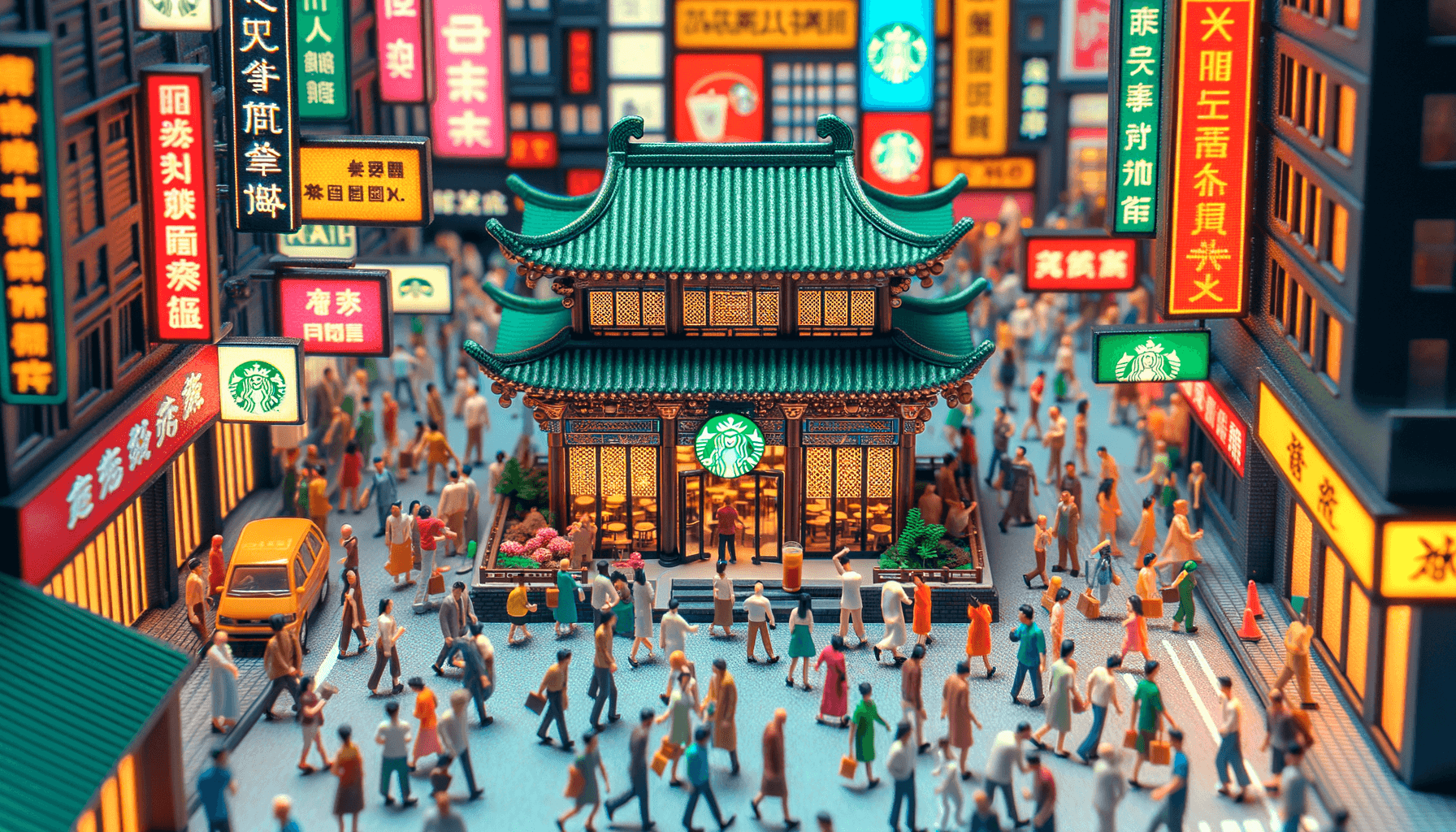
Starbucks’ expansion into China is one of the most studied market entry success stories in modern business. From opening its first store in Beijing in 1999 to operating over 7,300 stores across 280+ cities by early 2026, Starbucks transformed China from a tea-drinking nation into its second-largest market globally — generating over $3.5 billion in annual revenue from China alone. For exporters and brands considering the Chinese market, the Starbucks playbook offers battle-tested lessons in localization, supply chain management, digital strategy, and cultural adaptation.
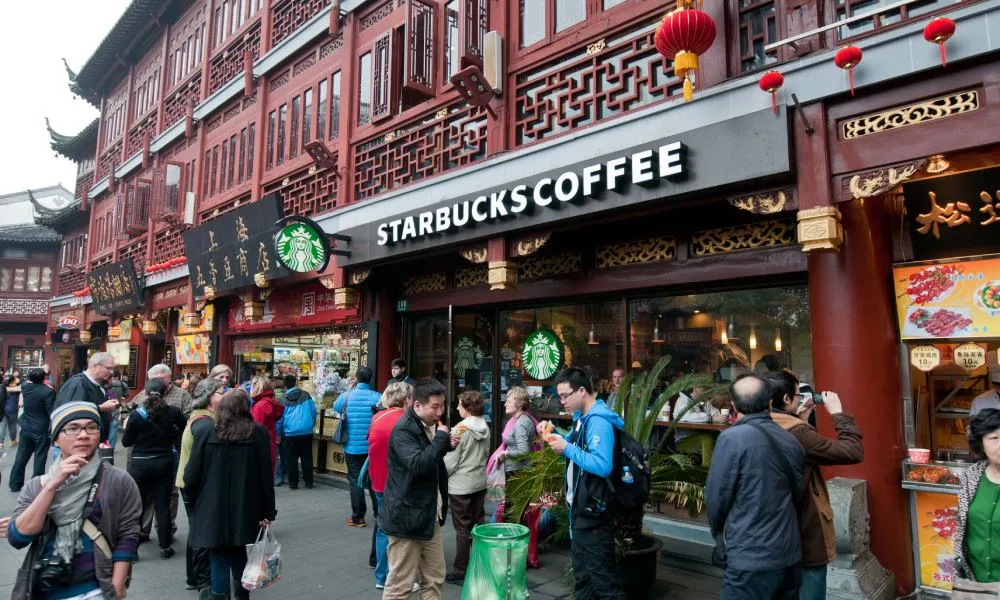
In this detailed case study, we break down exactly how Starbucks built its presence in China — from initial market research in the late 1990s to its digital transformation and competition with Luckin Coffee today — and extract actionable lessons for foreign companies entering China.
Phase 1: Market Research & Entry Strategy (1999-2005)
Before opening a single store, Starbucks invested years in understanding the Chinese market. Their research revealed critical insights that shaped the entire 25-year strategy.
Key Market Findings
| Insight | Data Point | Strategic Impact |
|---|---|---|
| Coffee market growth | 15% CAGR through 2019, 10%+ through 2025 | Massive untapped demand for decades |
| Urbanization rate | 60%+ by 2020, 67% by 2025 | Tier-1 cities as initial beachhead |
| Rising middle class | 400M+ consumers by 2020, 550M by 2025 | Premium positioning viable and growing |
| Tea culture dominance | 5,000+ years of tradition, $80B market | Must complement tea, not fight it |
| Social dining culture | 70%+ of meals/drinks consumed in groups | Design stores for socializing, not takeaway |
| Digital adoption | 1B+ smartphone users, 90%+ mobile payment | Digital-first strategy essential |
Partnership Model: Joint Ventures First
Starbucks didn’t enter China alone. They used joint ventures (JVs) to navigate regulations, real estate, and cultural barriers:
- 1999-2006: JV with Beijing Mei Da Coffee (northern China) and Uni-President (eastern China)
- 2006-2017: Gradually bought out JV partners as they learned the market
- 2017: Acquired East China JV partner for $1.3 billion, gaining full ownership of 1,400+ stores
This JV-to-acquisition model is common for foreign brands entering China. It reduces initial risk while building local expertise. Many exporters use a similar approach — partnering with a local distributor before going direct.
Target Cities: Phased Expansion
| Phase | Cities | Population | GDP per Capita | Entry Period |
|---|---|---|---|---|
| Tier 1 | Shanghai, Beijing, Guangzhou, Shenzhen | 80M+ | $25,000+ | 1999-2005 |
| New Tier 1 | Chengdu, Hangzhou, Nanjing, Wuhan, Suzhou | 100M+ | $15,000+ | 2005-2012 |
| Tier 2 | Kunming, Xiamen, Changsha, Hefei, 100+ cities | 300M+ | $8,000+ | 2012-2020 |
| Tier 3-5 | 150+ smaller cities, county-level expansion | 500M+ | $4,000+ | 2020-present |
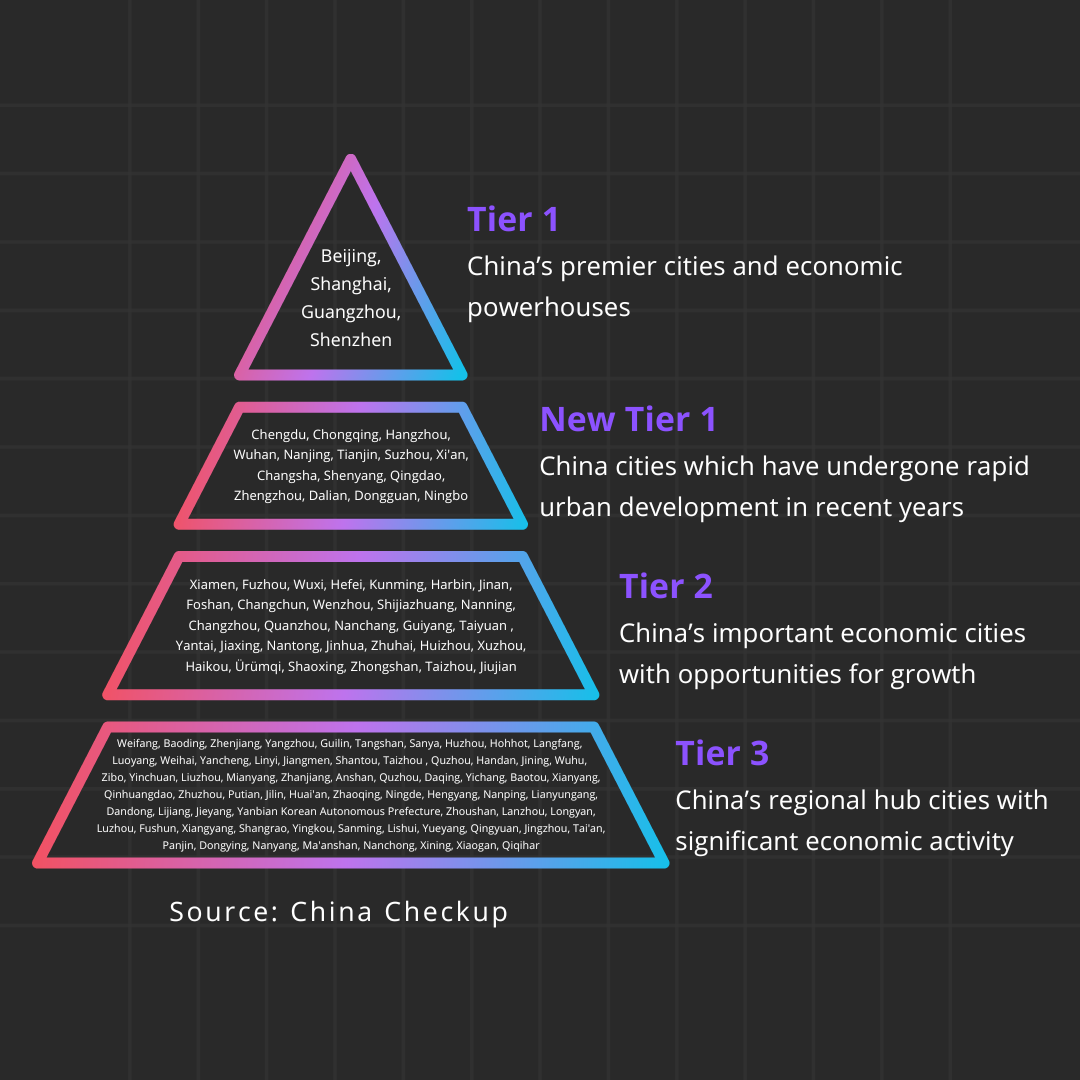
By 2026, Starbucks operates in 280+ cities — including many tier-3 and tier-4 cities that Western brands typically ignore. Their CEO stated the goal of reaching 9,000 stores by 2025 (revised to 2027 due to competition).
Phase 2: Cultural Adaptation & Menu Localization
The biggest mistake foreign brands make in China is assuming what works at home will work there. Starbucks avoided this trap by rebuilding almost everything for the Chinese consumer.
Menu Localization: Beyond Translation
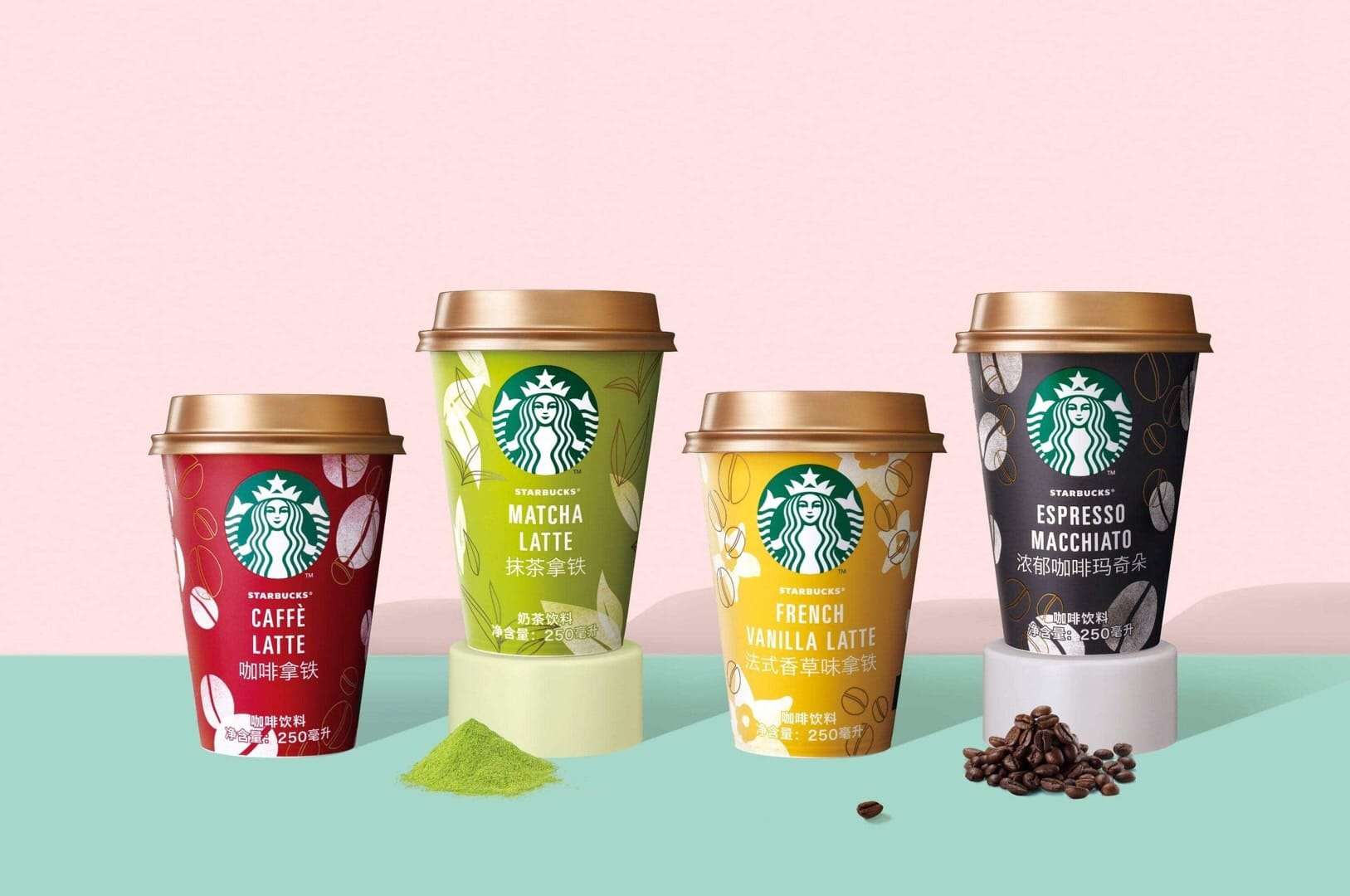
Starbucks didn’t just translate its American menu — it rebuilt it from scratch for Chinese tastes:
| Adaptation | Details | Impact |
|---|---|---|
| Tea-based drinks | Green tea lattes, oolong tea drinks, tea frappuccinos, jasmine cold brew | 30%+ of China menu is tea-based |
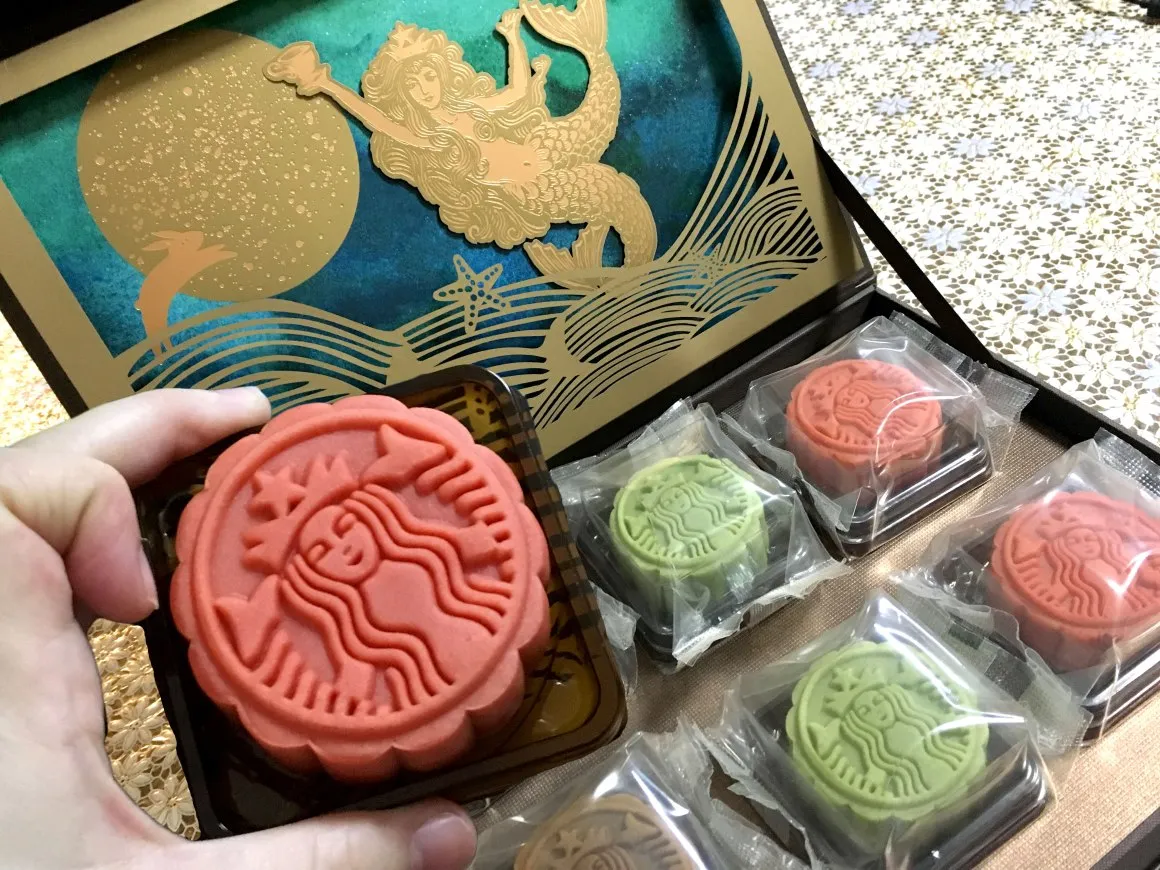
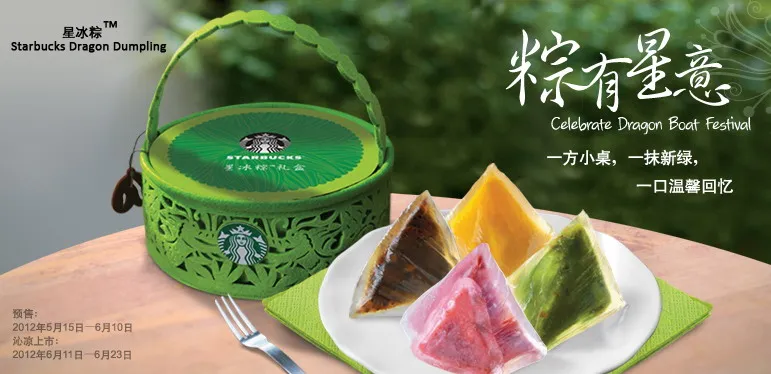
| Seasonal specials | Mooncakes (Mid-Autumn), Dragon Dumplings (Dragon Boat), Red Bean drinks (CNY) | Viral social media moments, 100M+ impressions |
| Food menu | Rice wraps, congee, red bean pastries, pork floss donuts, scallion bagels | 40%+ food items are China-exclusive |
| Regional flavors | Sichuan pepper latte, osmanthus drinks, taro products | City-specific limited editions |
| Ready-to-drink | Bottled frappuccinos, chilled cups in 7-Elevens and Family Marts | Massive convenience store distribution |
| Plant-based | Oat milk, soy-based options (partnered with Oatly for China launch) | Growing health-conscious segment |
Store Design: The “Third Place” for China
Starbucks coined the “third place” concept (not home, not work — Starbucks). In China, they amplified this:
- 50-70% larger seating areas than US stores — Chinese consumers spend 2-3x longer in-store
- Premium interiors — marble counters, wood accents, local art, plants. Positioned as luxury, not fast-food
- Group seating — large tables, communal spaces, comfortable couches. Designed for studying, meetings, and socializing
- Flagship Reserve Roasteries — the Shanghai Roastery (2,700 sqm) is the world’s largest Starbucks, featuring an AR experience and on-site roasting
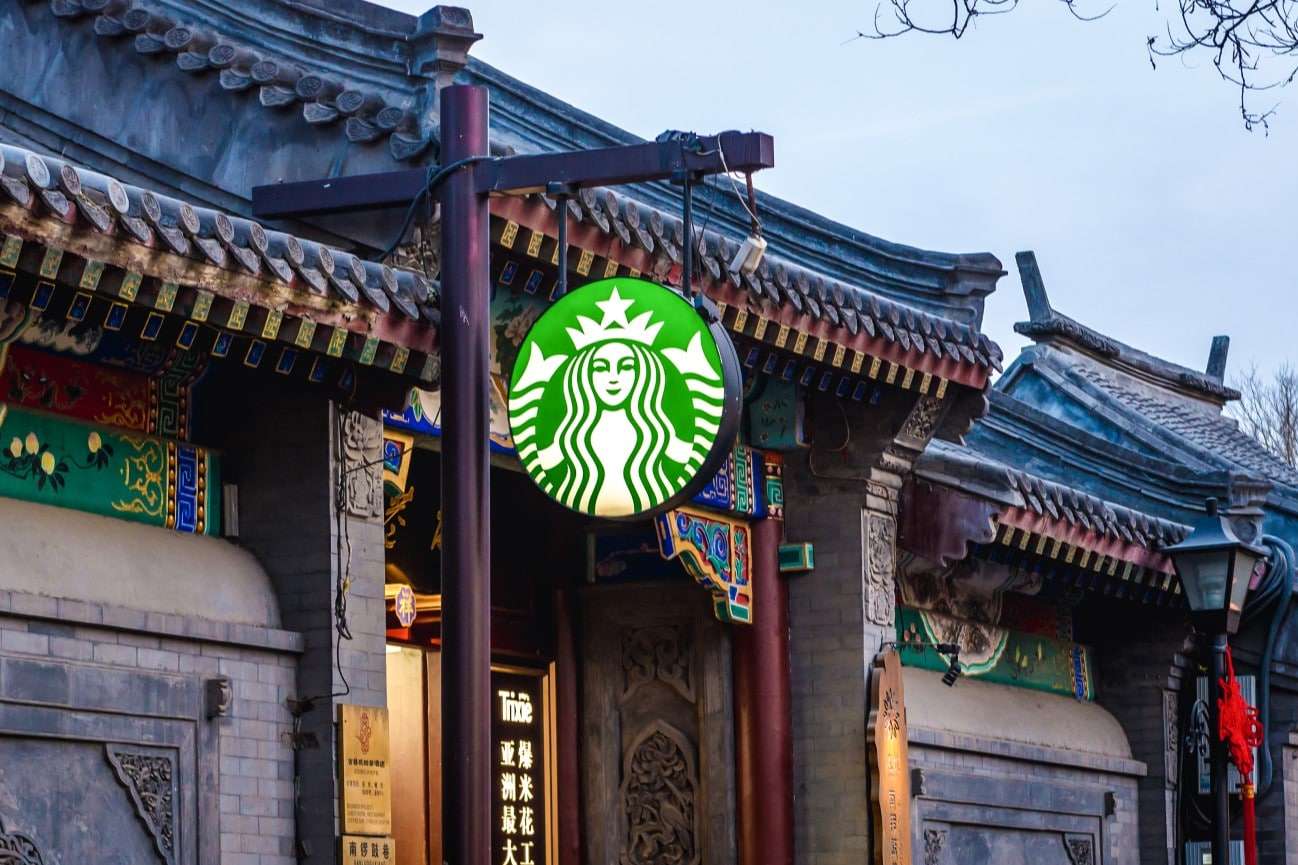
- Cultural integration — stores in historic districts (hutongs, old town areas) incorporate traditional Chinese architecture — curved roofs, calligraphy, red wood elements
- Drive-through & delivery kitchens — adapted post-COVID for delivery-heavy Chinese consumers
Pricing Strategy: Premium on Purpose
Starbucks deliberately priced 15-20% higher in China than in the US:
| Item | US Price | China Price | Premium |
|---|---|---|---|
| Grande Latte | $4.95 | $5.80 (38 RMB) | +17% |
| Venti Frappuccino | $5.45 | $6.50 (42 RMB) | +19% |
| Mooncake gift box | N/A | $30-$50 (200-350 RMB) | China-only |
This premium pricing was strategic, not accidental. Chinese middle-class consumers see Starbucks as a status symbol — carrying a Starbucks cup signals affluence and cosmopolitan taste. Competing on price would have destroyed this positioning (and is exactly what Luckin Coffee disrupted later).
Phase 3: Digital Strategy & Marketing
Starbucks’ marketing in China is fundamentally different from the West — entirely built around Chinese digital platforms, not Western social media (which is blocked in China).
Chinese Digital Ecosystem
| Platform | Starbucks Strategy | Results |
|---|---|---|
| WeChat (1.3B users) | Mini-program for ordering, payment, loyalty, gift cards | 15M+ active users, #1 brand mini-program |
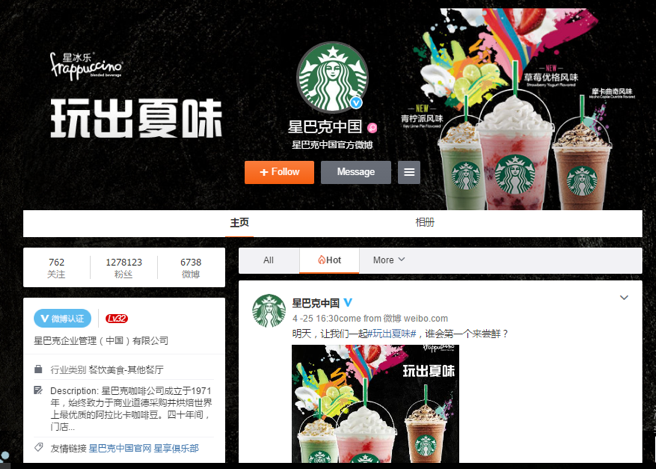
| Weibo (580M users) | Brand campaigns, seasonal product launches, customer engagement | Viral mooncake and seasonal campaigns |
| Douyin/TikTok (750M users) | Short-form video: barista content, store tours, product reveals | Millions of views per campaign |
| RED/Xiaohongshu (300M users) | Lifestyle content, user-generated reviews, aesthetic flat-lays | Organic brand advocacy from young consumers |
| Tmall (Alibaba) | Official online store — merchandise, gift cards, seasonal products | $100M+ in annual online sales |
KOL (Key Opinion Leader) Marketing
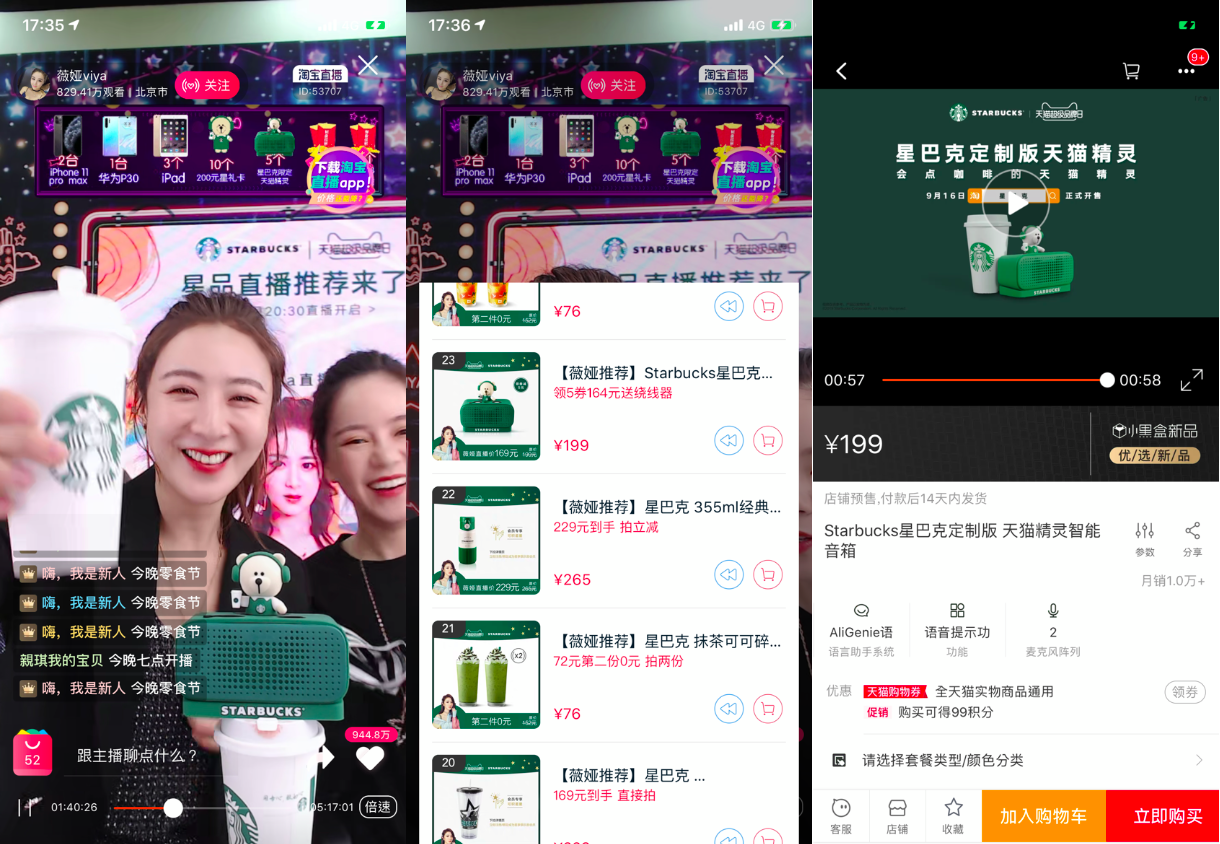
Starbucks partners with Chinese influencers (KOLs) for product launches. This is not optional — it’s the primary marketing channel in China:
- Top-tier KOLs (Viya, Li Jiaqi) for major product launches — 10M+ viewers per stream
- Mid-tier KOLs (50K-500K followers) for everyday brand content
- KOC (Key Opinion Consumers) — micro-influencers who post organic reviews on RED
- Celebrity partnerships — Chinese film and music stars for brand ambassadorship
A single livestream with a top KOL can sell millions of RMB in products within minutes. This is standard practice for any brand serious about the Chinese market.
Mobile Payments: Going Cashless
Starbucks was one of the first Western brands to fully integrate with China’s mobile payment ecosystem:
- Alipay and WeChat Pay at all stores (92%+ of Chinese payments are mobile in 2026)
- Starbucks WeChat Mini Program — order ahead, earn Stars, send gift cards (the “Say it with Starbucks” gifting feature went viral)
- Tmall flagship store on Alibaba for online merchandise and gift sales
- Meituan & Ele.me delivery integration — delivery orders surged 40%+ during COVID and remained high
- Facial recognition payment piloted in select flagship stores
Phase 4: Supply Chain & Local Operations
For companies exporting to China, Starbucks’ supply chain strategy is particularly instructive.
Localization of Supply Chain
| Component | Strategy | Details |
|---|---|---|
| Coffee roasting | Local mega-plant | Kunshan plant (near Shanghai) — largest Starbucks roastery outside the US. Processes beans for all China stores |
| Coffee sourcing | Partial local | Yunnan province arabica beans for domestic blends. Premium beans imported from Ethiopia, Colombia, Indonesia |
| Milk & dairy | Fully local | Partnerships with Chinese dairy farms for fresh supply |
| Food production | Mostly local | Chinese bakeries produce pastries, mooncakes, seasonal items |
| Packaging | Local production | Cups, lids, bags, branded merchandise manufactured in China |
| Cold chain | Dedicated local | Temperature-controlled supply chain for chilled products and fresh dairy |
| Warehousing | Regional hubs | Distribution centers in Shanghai, Beijing, Chengdu, Guangzhou |
| Last-mile delivery | Local partners | Meituan and Ele.me for 30-minute delivery coverage |
Key Supply Chain Lessons for Exporters
- Localize production where possible — Starbucks roasts in China instead of shipping finished products. For many exporters, a Chinese warehouse or local assembly/packaging partner serves the same purpose.
- Use local logistics partners — Meituan for delivery, SF Express for domestic. Don’t build your own last-mile network.
- Plan for cold chain if needed — fresh/chilled products require specialized logistics.
- Navigate customs and regulatory compliance early — food products require CIQ inspection, CFDA registration, and Chinese-language labeling.
- Import via established ports — Shanghai and Shenzhen handle most food/beverage imports. Use a freight forwarder experienced in food imports.
Phase 5: Competition & Current Landscape (2022-2026)
The Luckin Coffee Disruption
In 2018, Luckin Coffee launched as a delivery-first, app-only competitor, opening 4,500 stores in just 18 months — the fastest coffee chain expansion in history. After a 2020 accounting fraud scandal and near-collapse, Luckin restructured and came back stronger:
| Metric (2026 est.) | Starbucks China | Luckin Coffee | Manner Coffee |
|---|---|---|---|
| Stores | 7,300+ | 18,000+ | 1,200+ |
| Avg. drink price | $5-6 (35-40 RMB) | $2.50-3.50 (15-25 RMB) | $3-4 (20-28 RMB) |
| Target consumer | Premium, middle class | Mass market, office workers | Urban young professionals |
| Delivery focus | Medium (growing) | Very high (app-first) | Low (walk-in) |
| Revenue/store | Highest | Medium | Medium |
Despite Luckin overtaking Starbucks in store count (18,000 vs 7,300), Starbucks maintains its premium positioning and leads in revenue per store and brand prestige. The Chinese coffee market is big enough for multiple players — total market size reached $18 billion in 2025.
Starbucks’ Response to Competition
- Alibaba strategic partnership — delivery via Ele.me, Tmall store, data sharing for personalization
- Accelerated store openings — target of 9,000 stores by 2027 (opening 1 store every 9 hours)
- “Coffee Innovation Park” — $220M investment in Kunshan for roasting, R&D, and distribution
- Ready-to-drink expansion — chilled products in 500,000+ convenience stores and supermarkets
- Smaller delivery-optimized formats — “Star Kitchen” and “NOW” pickup-only locations
- Sustainability push — “Greener Stores” initiative resonating with young Chinese consumers
China Coffee Market 2026 Snapshot
| Metric | Value |
|---|---|
| Total market size | $18 billion (2025 est.) |
| Annual growth rate | 10-12% |
| Coffee shops nationwide | 170,000+ |
| Daily coffee consumers | 300M+ (up from 100M in 2018) |
| Per capita consumption | 15-18 cups/year (vs 400 in US, huge room to grow) |
| Top 3 brands | Luckin (#1 by stores), Starbucks (#1 by revenue), Manner |
What Foreign Companies Can Learn from Starbucks in China
7 Things to Do
- Research deeply before entering — understand consumer behavior, not just market size. Spend 6-12 months on market studies.
- Localize everything — product, design, packaging, marketing, payment methods. China is NOT “one more market” — it’s a different planet.
- Start in tier-1 cities — build prestige and test your model in Shanghai/Beijing before expanding to 250+ cities.
- Embrace Chinese digital platforms — WeChat, Douyin, RED, Tmall. Facebook, Instagram, and Google don’t exist in China.
- Partner with local companies — JVs, distributors, Alibaba, Meituan. Local partners navigate regulations and consumer behavior.
- Position as premium first — aspirational branding often beats price competition. You can always launch a value line later.
- Plan your supply chain with local warehousing and distribution from day one.
5 Things to Avoid
- Don’t copy-paste your Western strategy — Chinese consumers respond to different values, aesthetics, and marketing channels.
- Don’t ignore mobile payments — cash and credit cards are functionally obsolete. Alipay and WeChat Pay are mandatory.
- Don’t compete only on price — local competitors (Luckin, Manner, Cotti) will always undercut you. Compete on experience and brand.
- Don’t skip regulatory compliance — food, cosmetics, electronics, medical — every category requires Chinese certifications (CCC, CFDA, etc.).
- Don’t enter without Chinese-language everything — website, packaging, customer service, social media. English-only brands fail fast.
Bottom line
Starbucks’ China journey — from a single Beijing store in 1999 to 7,300+ locations generating $3.5+ billion annually in 2026 — is the definitive case study in market entry. The core lesson: don’t export your brand to China — rebuild it for China. That means local menus, local digital platforms, local supply chains, local partnerships, and premium positioning that resonates with China’s 550-million-strong middle class.
The Chinese market is now the world’s most competitive consumer landscape — with local players like Luckin, Manner, and Cotti challenging Western brands at every price point. But the market is also growing at 10-12% annually, with per-capita coffee consumption still at just 15-18 cups/year (vs 400 in the US). The opportunity is enormous for brands that do the work to localize properly.
Planning to enter the Chinese market? Start with your logistics: contact SINO Shipping for help with customs clearance, warehousing in China, and distribution across Chinese cities. We help exporters navigate the operational side so you can focus on building your brand.
ReferenceGlossary· 5 terms
Search a term, or jump by letter.
- clearance
- Customs clearance. Process of presenting goods and documents to customs and obtaining release for import or export. Export clearance (who files it) is the key difference between EXW and FOB.
- forwarder
- Freight forwarder. Company that books transport, arranges documentation, and often coordinates customs on your behalf.
- last-mile
- Final leg of delivery from port, airport, or warehouse to the consignee's address. May include remote-area or residential surcharges.
- Mid-Autumn Festival
- Mid-Autumn Festival. Major Hong Kong holiday impacting port and customs schedules.
- pickup
- Factory collection. Truck books, loads at origin, and transports cargo to the CFS, CY, or airport. Distance, multi-supplier stops, and cargo readiness affect cost.
No term matches your search.