
In this guide
- Switzerland's import VAT is 8.1% (2026), with reduced rates of 2.6% and 3.8% for specific goods.
- Sea freight to Basel via Rotterdam/Antwerp takes 32–36 days; air cargo to Zurich arrives in 1–2 days.
- All importers must register for a Swiss UID; non-resident importers need a Swiss fiscal representative.
- EUR/EPAL 800x1200mm pallets are standard; ISPM-15 treatment is required for wood packaging from China.
Shipping rates from China to Switzerland
Updated November 2026. Indicative rates from China — get a quote for exact pricing.
Current rates
| Method | Rate (USD) | Transit | Trend |
|---|---|---|---|
| Sea Freight (20GP) | $2,655–$3,245 | 25–32 days | = |
| Sea Freight (40GP) | $3,825–$4,675 | 25–32 days | +1.2% |
| Sea LCL | $90/CBM | 26–36 days | -28.0% |
| Air Freight (1000kg+) | $5.9/kg | 5–7 days | +40.5% |
| Rail Freight (20GP) | $4,276–$5,227 | 12–17 days | = |
| Express Courier | $10.63/kg | 5–8 days | +40.4% |
Quick Estimate
to Switzerland
Estimates based on public market rates. Final pricing may vary.
Price trend
Market snapshot — November
Desk quotes for ocean freight to Switzerland are up 1.2% for 40GP and flat for 20GP compared to last month
Air freight rates from China to Switzerland rose 40.5% this month as peak season demand builds out of South China
China-Europe rail and sea-air via Dubai or Singapore are discussed for urgent Swiss imports as alternatives to direct air
Get Monthly Rate Updates
Switzerland shipping rates delivered to your inbox — free, no spam.
 Lucas Arillotta · Supply Chain Manager at SINO Shipping ·
Your cargo clears the Port of Basel in 48 hours. Or it’s stuck in customs for five weeks. The difference isn’t random — it’s the choices you make before your shipment leaves Shanghai.
Most importers lose Fr. 800–3,000 per China→Switzerland shipment before their first pallet reaches Zurich. Not on freight rates — but on errors we see every week: choosing air when rail is faster and cheaper for mid-volume, missing a Swissmedic or ESTI certification deadline that triggers an e-dec hold, or picking an Incoterm that leaves you exposed to surprise VAT or anti-dumping duties. We’ve managed hundreds of containers, LCL consignments, and air pallets from China to Switzerland. Every shipment comes down to three decisions:
- Freight mode — Sea freight via Basel saves 60–70% vs air to Zurich or Geneva, but rail to Basel or Zurich terminals (15–20 days) is a powerful middle ground for electronics, machinery, and urgent cargo
- Compliance timing — Swissmedic, ESTI, OFCOM, FOEN, and FSVO approvals take 2–24 weeks; miss the window and your goods wait in customs under e-dec, with ENS filing required for non-EU/EFTA shipments
- Incoterms — FOB gives control and cost transparency; DDP offers simplicity but adds 15–25% premium for Swiss VAT, anti-dumping, and IOR handling
Whether you’re comparing shipping cost from China to Switzerland or searching for the cheapest way to ship from China to Switzerland, this guide gives you the framework we use for every Swiss-bound shipment: current rates for 2026 (November update), real cost breakdowns, customs cut-offs, pallet specs and insurance.
Who this is for: First-time importers shipping samples to Switzerland, e-commerce sellers restocking Zurich or Geneva, and buyers optimizing their China→Switzerland supply chain. Same framework whether you ship 50 kg by air, 5 pallets by rail, or 10 containers by river barge.
Sea vs Air vs Rail Freight for Switzerland: Which Is Best for You?
When we ship from China to Switzerland, the choice between sea, air, and rail freight shapes every aspect of the import — cost, speed, compliance, and risk. Switzerland’s unique geography (no direct ocean port, but excellent river, rail, and air links) means the “right” mode often depends on your timeline, volume, and cargo value.
Cost vs speed at a glance
November 2026 ratesBest for: 12+ CBM, regular orders
Best for: 1–10 CBM, multi-supplier consolidation
Best for: 5+ CBM, cost-transit balance
Best for: 1–5 CBM, faster than sea
Best for: High-value, urgent, <500 kg
Best for: Samples, <50 kg, fast DDP
Sea Freight: Slow, Steady, and Cost-Effective
Sea freight is the backbone for Swiss imports above 3 CBM or 500 kg. Containers from Shanghai typically reach the Port of Basel (Switzerland’s main inland river port) in 32–36 days, routed via Rotterdam or Antwerp, then up the Rhine by barge. We see weekly departures and predictable schedules — but the journey is indirect, and customs clearance at Basel depends on complete paperwork and ISPM-15 compliant pallets.
For smaller shipments, LCL (less than container load) is viable, but the break-even point is around 3 CBM. Below this, LCL rates climb and handling fees add up. For full containers (FCL), sea is unbeatable for cost — especially for bulk goods, machinery, or chemicals. Basel, Birsfelden, and Muttenz handle most containerized cargo, with onward trucking to Zurich, Bern, or Geneva.
Typical sea freight scenario: Electronics, textiles, and machinery shipped as FCL or LCL, cleared through Basel, then distributed via Swiss road/rail.
Air Freight: Fastest for High-Value or Urgent Shipments
Air freight shines when your cargo is high-value, time-sensitive, or weighs under 300 kg. Flights from Shanghai to Zurich Airport (ZRH), Basel-Mulhouse (BSL/MLH/EAP), or Geneva (GVA) arrive in 1–3 days. Customs clearance is rapid — often 1 business day if documents and Swiss conformity certificates (ESTI, Swissmedic, etc.) are ready.
We’ve seen air freight pay for itself in three Swiss scenarios:
- Production-critical parts: Watch components flown to Geneva to avoid a factory stoppage.
- Pharmaceutical samples: Basel-Mulhouse receives urgent pharma shipments needing Swissmedic clearance.
- Luxury goods/e-commerce: Zurich Airport handles high-value parcels for Swiss retail — speed outweighs cost.
Air is ideal if you need Swiss delivery in under a week, your cargo is compact, or insurance risk is a concern.
Rail Freight: The China-Europe Corridor
Rail freight bridges the gap — faster than sea, cheaper than air for mid-sized shipments (1–10 CBM). Block trains from Chengdu, Chongqing, Xi’an, Wuhan, and Suzhou reach Basel Rail Terminal in 15–18 days, or Zurich Rail Terminal in 16–20 days, via Germany and Poland. This route is gaining traction for electronics, machinery, and e-commerce goods.
Rail beats sea when you need delivery in under three weeks, but air is too costly. Rail is also more stable than air during peak seasons or when air capacity is tight.
Rail-specific factors: Border crossings (EU/EFTA), gauge changes, and customs at the Swiss entry terminal. Seasonal demand spikes can affect space and rates, but rail is less prone to holiday shutdowns than sea or air.
Pro tip: For electronics or machinery, Chengdu–Basel rail delivers in 16–18 days, with customs clearance at Basel Rail Terminal. This route is ideal when air is too expensive and sea is too slow.
In short
We recommend sea freight for bulk, non-urgent shipments above 3 CBM; air freight for urgent, high-value, or small cargo; and rail freight for mid-sized loads needing delivery in two to three weeks. Switzerland’s multimodal network means you can tailor your mode to your cost, speed, and compliance needs — but always check local holidays, certification lead times, and Swiss-specific requirements before booking. For a deeper dive, see our guides on choosing your shipping mode, FCL vs LCL sea freight, and Swiss customs clearance using e-dec.
Not sure? Answer 4 quick questions
Which mode & Incoterm is right for you?
Answer 4 quick questions — get a tailored recommendation
1. Shipment volume
2. How fast do you need it?
3. Product type
4. Switzerland import experience
Incoterms China → Switzerland (FOB, CIF, CIP, DDP)
Choosing the Right Incoterm for Switzerland
Who handles what — at a glance
| Responsibility | EXW | FOB | CIF | DDP |
|---|---|---|---|---|
| Export clearance (China) | Buyer | Seller | Seller | Seller |
| Freight booking | Buyer | Buyer | Seller | Seller |
| Main transport cost | Buyer | Buyer | Seller | Seller |
| Cargo insurance | Buyer | Buyer | Seller (min.) | Seller |
| Import clearance (Switzerland) | Buyer | Buyer | Buyer | Seller |
| Duties & consumption tax | Buyer | Buyer | Buyer | Seller |
| Domestic delivery | Buyer | Buyer | Buyer | Seller |
| Risk transfers at | Factory gate | Ship's rail | Dest. port | Buyer's door |
Switzerland’s customs and VAT rules make Incoterm selection much more than a pricing exercise. We see Swiss buyers and importers demand clarity on VAT, duties, and local compliance—especially for regulated goods. The right Incoterm can make or break your import experience, depending on who manages Swiss-specific requirements like UID registration, product certifications, and ISPM-15 wood packaging.
- All Swiss imports must have a local Importer of Record (IOR) registered with a Swiss UID (Unternehmens-Identifikationsnummer).
- Non-resident sellers using DDP or DAP must appoint a Swiss fiscal representative if not VAT-registered in Switzerland.
- Missing UID or improper IOR setup leads to customs holds, fines, and VAT problems.
FOB (Free On Board)
FOB is rarely favored for China–Switzerland shipments, except for experienced Swiss importers. Under FOB, the Swiss buyer handles all logistics from the port in China, including ocean freight, Rhine barge, customs clearance via e-dec, and VAT payment. We’ve seen this mode used for bulk shipments to Basel, but only when the importer has a strong Swiss logistics partner and is ready to manage UID, ISPM-15, and product certifications.
- Best for: Large Swiss importers with local expertise and customs broker relationships.
- Risks: Buyer must manage all Swiss compliance; VAT and duty payment on arrival; no support for Swiss-specific certifications (ESTI, Swissmedic, etc.).
CIF (Cost, Insurance, Freight)
CIF is somewhat more popular, especially for sea freight to Basel. The seller covers transport and insurance to the port of arrival, but the Swiss importer still handles customs clearance, VAT, and duties. We’ve seen CIF used for machinery, chemicals, and electronics, but importers must be ready for Swiss e-dec filing and UID requirements.
- Best for: Swiss buyers who want transport and insurance included but retain control of customs clearance.
- Risks: Buyer still responsible for all Swiss compliance; incorrect customs value or missing UID causes delays.
DDP (Delivered Duty Paid)
DDP is the most common Incoterm for B2B and e-commerce shipments to Switzerland. The seller is responsible for all costs—including VAT, duties, customs clearance, and delivery to the Swiss address. However, Swiss rules require the seller to be VAT-registered or appoint a Swiss fiscal representative. We see many DDP shipments fail when sellers aren’t properly set up in Switzerland, resulting in customs holds.
- Best for: E-commerce, small businesses, and buyers wanting a “turnkey” delivery.
- Risks: Seller must handle Swiss VAT registration or appoint a fiscal rep; failure to comply leads to shipment holds. All certifications (ESTI, Swissmedic, FSVO) must be handled before import.
For a deeper look at DDP—including VAT, UID, and fiscal rep requirements—see our DDP shipping guide.
EXW (Ex Works)
EXW is rarely used for Swiss imports. Under EXW, the buyer manages everything from the seller’s door—including export clearance in China, international transport, Swiss customs, VAT, and delivery. This is only suitable for very large Swiss buyers with full logistics teams.
- Best for: Swiss multinationals with dedicated import teams.
- Risks: Buyer must handle all compliance, export paperwork, and Swiss customs; high risk of errors for SMEs.
Key Swiss Incoterm Nuances
- DAP and DDP are preferred for most Swiss shipments, as they simplify VAT, UID, and customs for the buyer.
- Swiss importers expect detailed breakdowns of VAT, duties, and all fees—especially for DDP shipments.
- ISPM-15 treated pallets are mandatory for wood packaging from China. Non-compliant pallets are rejected or destroyed.
- Swiss certifications (ESTI, Swissmedic, FSVO, FOEN) are required for regulated goods—don’t assume EU CE marking is enough.
For a detailed breakdown of Swiss VAT, duties, and anti-dumping, see our import duties and taxes guide.
Freight Services to Switzerland — Air, Sea (FCL/LCL), Rail, DDP & Express
Shipping from China to Switzerland: What Works Best?
Experienced importers with local broker & trucking
25% handled by forwarder
Importers with a reliable partner in Switzerland
50% handled by forwarder
FOB suppliers + full Switzerland-side management
75% handled by forwarder
First-time importers, complex compliance
100% handled by forwarder
We see three main freight options for Swiss importers: sea, air, and rail. Each has a distinct break-even point, cost structure, and delivery profile. Let’s break down what works, where, and why.
Sea vs Air Freight: The Swiss Break-Even
Sea freight to Switzerland is the clear winner for most shipments above 3 CBM or 500 kg. The main route runs from Shanghai to Rotterdam or Antwerp, then up the Rhine by barge to Basel. Typical transit times are 32–36 days to Basel, Zurich, or Bern. This is slower than direct sea to coastal EU countries, but costs are still 60–75% lower than air for volumes above the break-even.
Air freight comes into play for urgent, high-value, or time-sensitive cargo. We’ve seen air deliver from Shanghai to Zurich or Basel in 1–2 days, and to Geneva in 2–3 days. Air is best for watches, electronics, pharma, and urgent production parts where delay costs outweigh the premium.
Break-even rule: On China–Switzerland lanes, sea undercuts air at 3 CBM or 500 kg. For smaller, high-value, or urgent shipments, air wins. Use the calculator below to test your volume and weight against live rates for 2026.
Rail Freight: The Middle Ground
Rail freight is a strong alternative for Swiss importers needing faster delivery than sea, but lower cost than air. Block trains from Chengdu, Chongqing, or Xi’an reach Basel in 15–18 days and Zurich in 16–20 days. Rail rates are typically 30–50% less than air, and 20–30% higher than sea. Rail works best for electronics, machinery, and mid-size shipments (2–10 CBM), especially when inventory turns matter but air is overkill.
Swiss Delivery Requirements: Appointments & Access
Swiss cities enforce strict delivery appointment systems—especially in Zurich, Basel, and Geneva. Urban access rules mean trucks must book slots, and many warehouses require advance notice. We’ve seen failed appointments lead to demurrage, storage, or re-delivery fees. For residential or city-center deliveries, expect vehicle restrictions and possible need for smaller vans or last-mile partners.
Hidden Fees: Where Swiss Costs Creep In
Swiss importers face four main fee zones:
- Origin charges: Export customs, loading, and documentation in China—typically $40–$150 per shipment.
- Freight costs: Ocean, rail, or air rates. Sea includes Rhine barge and North Sea port transshipment; rail includes EU transit (NCTS); air includes security and fuel surcharges.
- Destination & customs: Swiss e-dec system filing, ENS, import VAT (8.1%), and local brokerage (CHF 200–CHF 600 per entry). Basel port adds container handling and barge unloading fees (CHF 80–CHF 150 per CBM for LCL).
- Last-mile delivery: Trucking from Basel, Zurich, or Geneva to final address. Appointment fees, city access surcharges, and storage can add CHF 50–CHF 200 if not managed. Urban deliveries may require extra handling or smaller vehicle transfer.
We always recommend reviewing your quote for these hidden costs—especially barge handling, Swiss customs brokerage, and last-mile surcharges. For DDP shipments, check if the provider is Swiss VAT registered and includes all import formalities. See our DDP shipping guide for full checklist.
Want to compare FCL vs LCL? See our container options guide.
Need help with Swiss customs? Our customs clearance guide covers e-dec, ENS, and entry types.
Customs & Compliance for Switzerland (Swiss Federal Inspectorate for Heavy Current Installations, Federal Office of Communications, Federal Office for the Environment, FOEN, e-dec)
Switzerland operates one of Europe’s most efficient and demanding customs systems. All imports from China must be cleared through e-dec Import/Export, the Swiss electronic customs platform. We see four main entry types: Freier Verkehr (release for free circulation), Vorübergehende Verwendung (temporary admission), Zolllager (customs warehousing), and Aktive Veredelung (inward processing). Advance filing is required for non-EU/EFTA shipments—your forwarder must submit an ENS (Entry Summary Declaration) before arrival.
Customs clearance is typically fast, with most cargo released in 1–2 business days if documents are complete. If Swiss authorities call for inspection, expect 3–5 days. You’ll need a Swiss Importer of Record (IOR) with a valid UID (Unternehmens-Identifikationsnummer)—this is mandatory for all importers. Non-resident companies must appoint a Swiss fiscal representative. Without a UID, your shipment will be held.
Duty and VAT calculation is straightforward but strict. Swiss VAT (Mehrwertsteuer / MWST / TVA / IVA) is 8.1% as of 2026. The VAT is charged on the sum of customs value, import duty, and any excise taxes. Reduced rates apply for food, books, and medicines (2.6%), and accommodation services (3.8%). Switzerland applies anti-dumping duties on certain Chinese goods—bicycles, aluminium foil, ceramic tableware, iron and steel fasteners, solar panels, and more—so check with your broker if your product is on the list.
VAT = (Customs value + Import duty + Excise if any) x 8.1%
Compliance is where most China–Switzerland shipments run into trouble. Swiss authorities require product-specific certifications, often above EU standards. Here are the most common:
The #1 compliance mistake we see on the China–Switzerland lane is assuming EU CE marking is enough for all products. Swiss authorities often require Swiss-specific conformity, local notification, or a Swiss Authorized Representative—especially for regulated goods like medical devices, electronics, chemicals, and toys. If you ship on DDP terms without a Swiss VAT-registered entity, your cargo will be blocked at customs. Always verify Swiss requirements before booking your shipment.
Documents Checklist — China to Switzerland
Who issues which documents?
We see Swiss import shipments require a mix of supplier, forwarder, and broker documents — each plays a distinct role in customs clearance and compliance. Missing even one can delay release by days.
- Supplier: Commercial Invoice, Packing List, Certificate of Origin (if claiming preferential rates), product-specific certificates (e.g., ESTI, Swissmedic, FOEN/BAFU, FSVO/BLV/OSAV as needed)
- Forwarder: Bill of Lading (sea) or Air Waybill (air), Entry Summary Declaration (ENS) for non-EU/EFTA arrivals, proof of ISPM-15 treatment for wood packaging
- Broker: Import Declaration via e-dec, Swiss UID (Importer of Record), Swiss Authorized Representative appointment (for regulated products), Swiss phytosanitary certificate (for wood packaging)
Swiss import documents checklist
Required for customs clearance and VAT assessment
Swiss-specific requirements
- Swiss UID (Unternehmens-Identifikationsnummer): All importers must have a valid UID, issued free by the Swiss Federal Statistical Office. This is mandatory for customs entry and VAT registration.
- Swiss Authorized Representative: For regulated products (medical devices, chemicals, cosmetics, etc.), a local Swiss rep must be appointed if the manufacturer or importer is not based in Switzerland.
- ISPM-15 & Swiss phytosanitary certificate: Every wood pallet or packaging from China must have ISPM-15 heat treatment and a Swiss phytosanitary certificate — no exceptions.
Common mistakes on China–Switzerland shipments
We’ve seen these three document errors cause the most delays, fines, or outright shipment rejection:
- Missing or incorrect Swiss UID: Customs will not clear goods if the Importer of Record’s UID is absent or mismatched. Always confirm the UID matches the consignee on the import declaration.
- Non-ISPM-15 compliant wood packaging: Untreated or incorrectly certified pallets are quarantined or destroyed on arrival. Always request ISPM-15 documentation from your supplier and verify before departure.
- Assuming EU CE marking is enough: Switzerland accepts CE marking for many products, but certain categories (e.g., electrical, medical, chemicals, toys) require Swiss-specific conformity or notification. Double-check with the relevant Swiss agency — ESTI, Swissmedic, FOEN/BAFU, FSVO/BLV/OSAV.
For step-by-step guidance on electronic filing and customs entry, see our Swiss e-dec clearance guide.
China to Switzerland Freight Lanes & Weekly Cut-offs
Main Shipping Routes from China to Switzerland
Top sea freight lanes
3 routes| Best for | Destination | Frequency | Transit | Best for |
|---|---|---|---|---|
| Shanghai | Port of Basel | 32-36 | Weekly departures via Rotterdam/Antwerp, then barge to Basel | |
| Shanghai | Port of Birsfelden | 32-36 | verify:Weekly departures via North Sea ports | |
| Shanghai | Port of Muttenz | 32-36 | verify:Weekly departures via North Sea ports |
Switzerland’s import supply chain relies on a blend of river ports, airports, and rail terminals—each tailored to the country’s geography and industry needs. For sea freight, the Port of Basel is the primary gateway, with containerized cargo routed from China via major North Sea ports like Rotterdam and Antwerp. We see typical transit times of 32–36 days from Shanghai, including the Rhine barge leg into Switzerland. Weekly departures are the norm, so planning around vessel schedules is critical for both FCL and LCL shipments. The Port of Birsfelden and Port of Muttenz—both part of the Basel complex—also handle bulk and container cargo, serving the Basel region and providing efficient access for chemical, pharmaceutical, and industrial goods.
For air freight, Switzerland’s main hubs are Zurich Airport (ZRH), Basel-Mulhouse Airport (BSL/MLH/EAP), and Geneva Airport (GVA). Zurich offers direct flights from Shanghai with 1–2 day transit times, ideal for high-value or urgent cargo. Basel-Mulhouse, a tri-national airport, serves northwestern Switzerland with similar transit times, while Geneva specializes in luxury, time-sensitive shipments with 2–3 day transit windows.
Rail freight is increasingly popular for electronics, machinery, and mid-value goods. Direct block trains connect China (Chengdu, Chongqing, Xi’an, Wuhan, Suzhou) to Basel Rail Terminal and Zurich Rail Terminal. We’ve seen transit times of 15–20 days, with 2–3 departures per week via the China-Europe corridor (through Kazakhstan, Russia, Poland, or Germany). This mode balances speed and cost, especially for shipments where air is too expensive and sea is too slow.
How to Plan Backward from Your Delivery Date
Swiss logistics run with precision, but holiday disruptions and Rhine barge schedules require careful backward planning. Here’s how we recommend planning from your desired delivery date:
- Confirm Swiss holidays and local events: Check for national and regional holidays (see below) that may close customs or warehouses.
- Determine last-mile lead time: Allow 1–3 days for final delivery from port or airport to your Swiss address (longer for remote regions).
- Customs clearance buffer: Add 2–5 business days for e-dec clearance, especially if inspections or certifications are required.
- Transit time by mode: Add the published transit time (e.g., 32–36 days for sea, 1–3 days for air, 15–20 days for rail).
- Booking and cut-off deadlines: Work backward to your booking window—sea freight cut-offs are typically 5–7 days before vessel departure; air and rail bookings require 2–3 days advance notice.
By mapping each step and accounting for Swiss-specific delays, you minimize the risk of late arrivals and customs holds.
Swiss Holidays and Logistics Disruptions
Switzerland’s public holidays have a direct impact on customs, warehousing, and last-mile delivery. We always advise clients to avoid arrivals during these periods:
- Swiss National Day (August 1): Nationwide closure of customs and logistics providers. Plan shipments to arrive either well before or after early August.
- Christmas & New Year (December 24 – January 2): Major disruption—warehouses and customs offices closed for several days. Book shipments early and avoid arrivals in the last week of December.
- Easter (Good Friday & Easter Monday; March/April, varies annually): Extended closures for four days. Expect longer lead times around Easter week.
- Ascension Day (May, varies annually): Many companies operate on reduced hours or close entirely. Confirm schedules with local partners, especially for critical shipments.
- Regional Holidays (e.g., Geneva Escalade, Zurich Sechseläuten): Localized disruptions and road closures in major cities. Always check city calendars if your delivery is in Zurich, Geneva, or Bern.
We’ve seen even well-planned shipments delayed by overlooked Swiss holidays. Always cross-check your delivery windows with the Swiss holiday calendar and add extra buffer days where needed.
Pallets & Cargo Insurance for Switzerland
Swiss pallet standards: EUR/EPAL only
We see nearly all Swiss importers require the EUR/EPAL 800x1200mm pallet standard, identical to the EU. This is the default for warehouse automation and cross-docking in Zurich, Basel, Geneva, and Bern. ISPM-15 heat treatment is mandatory for all wood packaging from China—if your pallets lack the ISPM-15 stamp, Swiss customs will quarantine or destroy them. Alternative 1000x1200mm (ISO) pallets are sometimes accepted in specific sectors, but US 48x40-inch pallets are not standard and often rejected by Swiss logistics providers.
Automated Swiss warehouses are strict: non-standard sizes, untreated wood, or missing ISPM-15 marks trigger immediate rejection. We’ve seen importers lose weeks and pay hundreds of CHF for emergency re-palletizing. Always confirm pallet specs with your Swiss consignee before shipping.
Swiss vs US pallet standards
| Standard | Dimensions | ISPM-15 requirement | Swiss acceptance |
|---|---|---|---|
| EUR/EPAL | 800x1200mm | Mandatory | Universal |
| ISO 1000x1200-inch | 1000x1200mm | Mandatory | Accepted in some sectors |
| US 48x40" | 1219x1016mm | Mandatory | Usually rejected; may require repacking |
ISPM-15 heat treatment is required for all wood packaging from China.
Cargo insurance: ICC(A) is essential
Coverage comparison
| Type | What's covered | Cost | Best for |
|---|---|---|---|
| Carrier liability | $500–1,000 per container max | Free | Nothing — bare minimum |
| ICC(C) — Basic | Total loss, fire, sinking, stranding | 0.3–0.5% | Low-value, non-fragile goods |
| ICC(B) — Medium | ICC(C) + earthquake, lightning, washing overboard | 0.4–0.7% | General merchandise |
| ICC(A) — All-risk ✓ Best | All risks except war, nuclear, specific exclusions | 0.5–1.0% | Electronics, high-value — anything worth protecting |
$500–1,000 per container max
Nothing — bare minimum
Total loss, fire, sinking, stranding
Low-value, non-fragile goods
ICC(C) + earthquake, lightning, washing overboard
General merchandise
All risks except war, nuclear, specific exclusions
Electronics, high-value — anything worth protecting
For Swiss-bound shipments, we recommend ICC(A) (All Risks) cargo insurance. Alpine road/rail transit, river barge connections, and high-value goods (pharma, electronics, watches) mean risk is real. Typical rates for ICC(A) coverage run 0.15%–0.35% of invoice value for sea and rail, and 0.2%–0.5% for air. We’ve seen claims for water damage, theft, and accidental loss—especially on Basel river barge and Zurich airport lanes.
Swiss importers expect a valid insurance certificate with clear coverage terms. Without ICC(A), you’re exposed to exclusions and limited compensation if something goes wrong. See our insurance guide for Switzerland for detailed cost benchmarks and how to verify your policy.
General Average: Know your share
If your sea freight is routed via Rotterdam/Antwerp and then Rhine barge, you’re subject to General Average rules. This means if the vessel suffers a major incident (fire, grounding, jettisoned cargo), all cargo owners must contribute to loss costs—even if your goods aren’t damaged. We’ve seen General Average claims add CHF 500–CHF 5,000 in security deposits or delays while claims are resolved.
ICC(A) insurance covers General Average, but only if you file promptly and provide all required documents. Always confirm your insurance includes General Average coverage, especially for FCL and LCL shipments entering Switzerland via Basel.
Case Studies — China → Switzerland (LCL, FCL, Air, Rail)
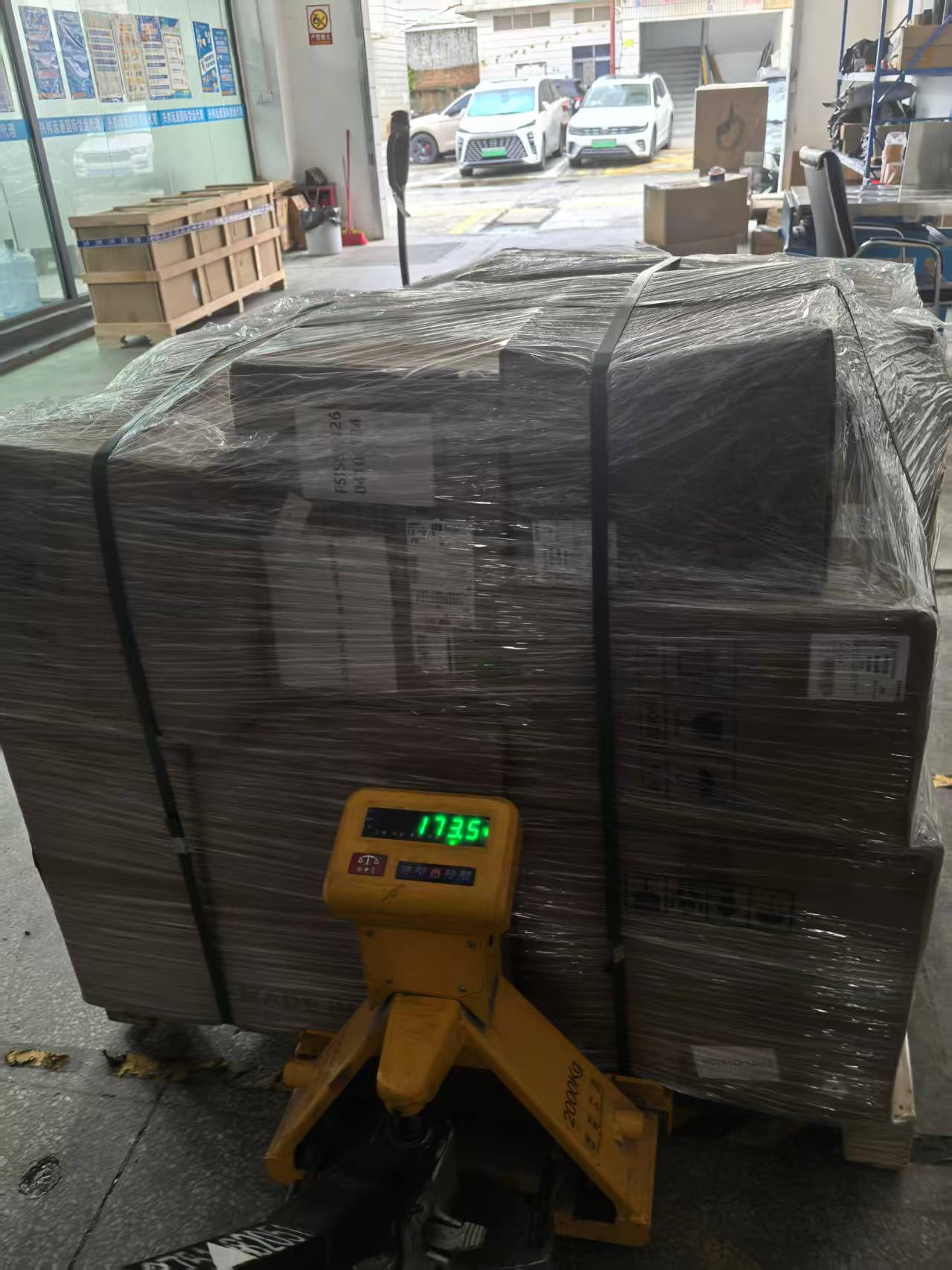
Ship to Switzerland with confidence
Every section of this guide points to the same conclusion: shipping from China to Switzerland is straightforward when you plan ahead — and expensive when you don’t.
We update this guide’s rates and data every month for 2026. Bookmark it or subscribe to our rate alerts — and when you’re ready to ship, get a Switzerland shipping quote tailored to your lane, volume, and delivery window.
ReferenceGlossary· 67 terms
Search a term, or jump by letter.
- advance
- When the carrier or broker pays duties, taxes, or fees to customs on your behalf and invoices you later. Often used with disbursement; confirm who pays the advance and any fee.
- B2B
- Business to business. The buyer is a company (e.g. importer) that clears and takes delivery. DAP often fits B2B when the buyer has a broker and controls the import leg.
- brokerage
- Fee for customs brokerage: filing the declaration, liaising with customs, and securing release. May be bundled (e.g. express) or separate.
- cargo insurance
- Insurance covering loss or damage to goods in transit. Arrange it from the moment risk transfers to you—under EXW that's at the factory gate; under FOB at the ship's rail.
- CBM
- Cubic metre. Standard unit for shipping volume; used for LCL pricing and container capacity.
- CE
- Conformité Européenne. EU mandatory marking for products sold in the EEA. Does not transfer to Japan—PSE and TELEC are separate regimes.
- Certificate of Origin
- Document certifying where goods were produced. Often required for preferential duty rates or by the importer.
- ChemO
- Chemikalienverordnung (SR 813.11). Switzerland's Chemicals Ordinance, regulating chemical imports and compliance.
- CIF
- Cost, Insurance and Freight. Sea and inland waterway only—no air. Seller pays freight and minimum insurance (typically ICC C) to the named port; buyer clears import and pays duties. Risk transfers when goods are on board the vessel.
- CIP
- Carriage and Insurance Paid To. All modes (sea, air, multimodal). Seller pays freight and broader insurance (often ICC A) to the agreed place. Higher cover than CIF minimum—preferred for air freight and high-value cargo.
- clearance
- Customs clearance. Process of presenting goods and documents to customs and obtaining release for import or export. Export clearance (who files it) is the key difference between EXW and FOB.
- Commercial Invoice
- Document stating value, description, and terms of the goods; required for customs and payment.
- consignee
- The party receiving the goods at destination. Named on the B/L and delivery documents.
- customs broker
- Licensed agent who files customs declarations, liaises with customs, and handles clearance on your behalf.
- customs value
- Taxable base for duty and Consumption Tax. In Japan, usually CIF: goods + freight + insurance to the port or airport of import.
- cut-offs
- Deadlines by which cargo or documents must be received to make a specific sailing or flight. Missing one usually means a day's delay or roll to the next vessel.
- DAP
- Delivered At Place. Seller delivers to a named place (e.g. buyer's warehouse) and unloads; buyer handles import clearance, duties, and Consumption Tax. IOR is the buyer.
- DDP
- Delivered Duty Paid. Seller pays all costs to the buyer's door, including clearance, duties, and Consumption Tax. True DDP means the recipient pays nothing at delivery.
- delivery appointment
- Scheduled time slot for delivery. Many Japan receivers require appointments; carriers often charge for coordination.
- demurrage
- Charge when cargo stays at the terminal beyond the free time allowed. Often due to late docs or delayed pickup.
- duty
- Import duty. Tax levied by customs on imported goods, based on HS code, value, and origin.
- e-dec
- Electronic Customs Clearance System. Switzerland's digital platform for submitting import and export customs declarations.
- EFTA
- European Free Trade Association. Norway is a member, allowing preferential trade with other EFTA countries and the EU.
- EN 71
- European toy safety standard referenced in Singapore's Safety Mark scheme for toys, ensuring compliance with safety requirements.
- exclusions
- Clauses that explicitly exclude certain causes of loss from insurance coverage (e.g. insufficient packing, inherent vice, delay, humidity). Check the certificate before you accept CIF or CIP.
- export clearance
- Customs process to release goods for export before departure. Who arranges it depends on Incoterm: seller under FOB/FCA, buyer under EXW.
- EXW
- Ex Works. Seller makes goods available at their premises; buyer arranges pickup, export clearance, freight, and everything beyond. Risk transfers at the factory gate—the earliest of all Incoterms.
- FCL
- Full Container Load. You book an entire container (e.g. 20GP or 40HC); only your cargo inside.
- FOB
- Free On Board. Seller delivers to the ship and clears export; buyer arranges freight and import from ship's rail. Risk transfers when goods are on board the vessel. Sea freight only—use FCA for air. For containers, the 'on board' moment is often unclear; FCA (CY/CFS) can be cleaner.
- forwarder
- Freight forwarder. Company that books transport, arranges documentation, and often coordinates customs on your behalf.
- General Average
- Maritime principle where all cargo interests share a loss incurred to save the ship (e.g. jettison). Often covered under ICC(A).
- import declaration
- Document filed with customs to clear goods for import. Lists contents, value, HS codes, permits. Under DAP the buyer's broker files; under DDP the seller's broker or IOR files.
- Import Duty
- Tax levied by Iraqi customs on goods imported into Iraq, calculated based on product classification and value.
- import notification
- Japan MHLW: formal notice (shokuhin yunyū todokede) filed at the quarantine station for food, supplements, and food-related products. Required before customs release; reviewed for composition, labelling, and manufacturing.
- Importer of Record
- The entity in the destination country legally responsible for the import declaration and for paying duties and taxes (abbrev. IOR).
- Incoterms
- International Commercial Terms. Standard rules (EXW, FOB, CIF, DDP, etc.) defining who pays, who clears customs, and when risk transfers at each stage.
- insurance certificate
- Document issued by the insurer proving cover. Shows coverage type (ICC A/B/C), insured value, exclusions. Request before shipment—'insured' on a quote doesn't guarantee adequate cover.
- IOR
- Importer of Record. The entity legally responsible for the import declaration and for paying duties and taxes in the destination country.
- ISPM-15
- International Standards for Phytosanitary Measures No. 15. Treatment standard for wood packaging (e.g. pallets) to prevent pests.
- IVA
- Imposta sul Valore Aggiunto. Italy's value-added tax applied to imported goods, collected at customs clearance.
- last-mile
- Final leg of delivery from port, airport, or warehouse to the consignee's address. May include remote-area or residential surcharges.
- LCL
- Less than Container Load. Your cargo shares a container with others; priced per CBM (plus CFS and handling at both ends).
- LMBG
- Lebensmittelgesetz (SR 817.0). Swiss Foodstuffs Act, governing the safety and labeling of imported food products.
- Mehrwertsteuer
- Mehrwertsteuer (Value Added Tax). Synonym for Umsatzsteuer, commonly used in Germany.
- multimodal
- Transport using more than one mode (e.g. truck + sea + truck). CIP applies; CIF does not. Allows negotiation of stronger insurance across the full journey.
- MWST
- Mehrwertsteuer. Switzerland's value-added tax (VAT), applied to most imported goods.
- National Day
- Vietnam's Independence Day (September 2nd). Public holiday affecting customs and port operations.
- New Year
- Japan: late December to early January when many businesses, ports, and warehouses close or reduce operations. Plan shipments to avoid arrival during this window; expect backlog after reopening.
- origin charges
- Fees at the export port: THC, handling, documentation, CFS (for LCL). Under FOB these can be bundled and opaque; under FCA the split is clearer since the buyer books freight and the seller's scope ends at delivery.
- Packing List
- Document listing contents, weights, and packaging of each package; used for customs and cargo handling.
- palletizing
- Loading cargo onto pallets for handling and transport. Often optional at CFS; sometimes mandatory for Japan or specific carriers.
- phytosanitary certificate
- Official document issued by the exporting country's plant protection authority (e.g. GACC for China). States species, origin, and that the consignment is pest-free and meets Japan's import conditions. Required by MAFF for plant-derived goods.
- preferential rates
- Lower or zero duties under FTAs/EPAs (e.g. RCEP, Japan–China). Require meeting origin rules and providing a Certificate of Origin; without proof, the general (WTO) rate applies.
- REACH
- Registration, Evaluation, Authorisation and Restriction of Chemicals (EC 1907/2006). EU regulation controlling chemicals in products imported into Portugal.
- RED 2014/53/EU compliance
- Radio Equipment Directive 2014/53/EU compliance. Required for wireless and radio equipment imported into Switzerland.
- repacking
- Rebuilding or reinforcing cartons (e.g. after CFS handling). Can reduce CBM, consolidate multi-supplier loads, or adapt to pallet rules. Document before/after for insurance claims.
- Swiss conformity
- Swiss conformity marking. Indicates compliance with Swiss safety and technical regulations, often based on CE marking.
- Swiss National Day
- Swiss National Day (August 1). Public holiday in Switzerland that may impact customs clearance and logistics operations.
- Swiss phytosanitary certificate
- Swiss phytosanitary certificate. Document required for importing plants and plant products, confirming compliance with Swiss and ISPM-15 standards.
- Swiss REACH
- Swiss implementation reverse of EU REACH. Regulates registration bar for chemicals imported into Switzerland under ChemO.
- Swiss type approval
- Swiss type approval. Certification required for certain regulated products to enter the Swiss market.
- transshipment
- Cargo is transferred at an intermediate port before reaching the final destination. Adds another terminal, cut-off, and handoff—more variability than direct sailings.
- TVA
- Taxe sur la Valeur Ajoutée. France's value-added tax, standard rate 20%, collected by customs at import.
- Type Approval
- Certification issued by ARPCE for electronic products, confirming compliance with Algerian regulations.
- VAT
- Value Added Tax. Cambodia's standard consumption tax applied to imports, currently at 10%.
- VKos
- Verordnung über the pipeline Kosmetika (SR 817.023.31). The Swiss Cosmetics Ordinance, setting requirements for cosmetic imports.
- VSS
- Verordnung über die Sicherheit von Spielzeug (SR 817.023.11). Swiss Toys Ordinance, regulating safety standards for toys.
No term matches your search.