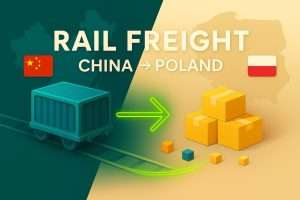
Looking for a faster, smarter way to ship between China and Poland?
Rail freight is your game-changer.
Forget slow sea routes and sky-high air cargo costs. The China–Poland rail corridor delivers your goods in just 12–18 days—twice as fast as sea freight and at a fraction of the air price. You get reliability, fixed schedules, real-time tracking, and a much greener supply chain. No wonder Poland is now the gateway for Eurasian trade.
Ready to upgrade your logistics? Discover how rail freight can power your business across Europe and Asia.
Why Choose Rail Freight from China to Poland?
The Strategic Eurasian Rail Corridor
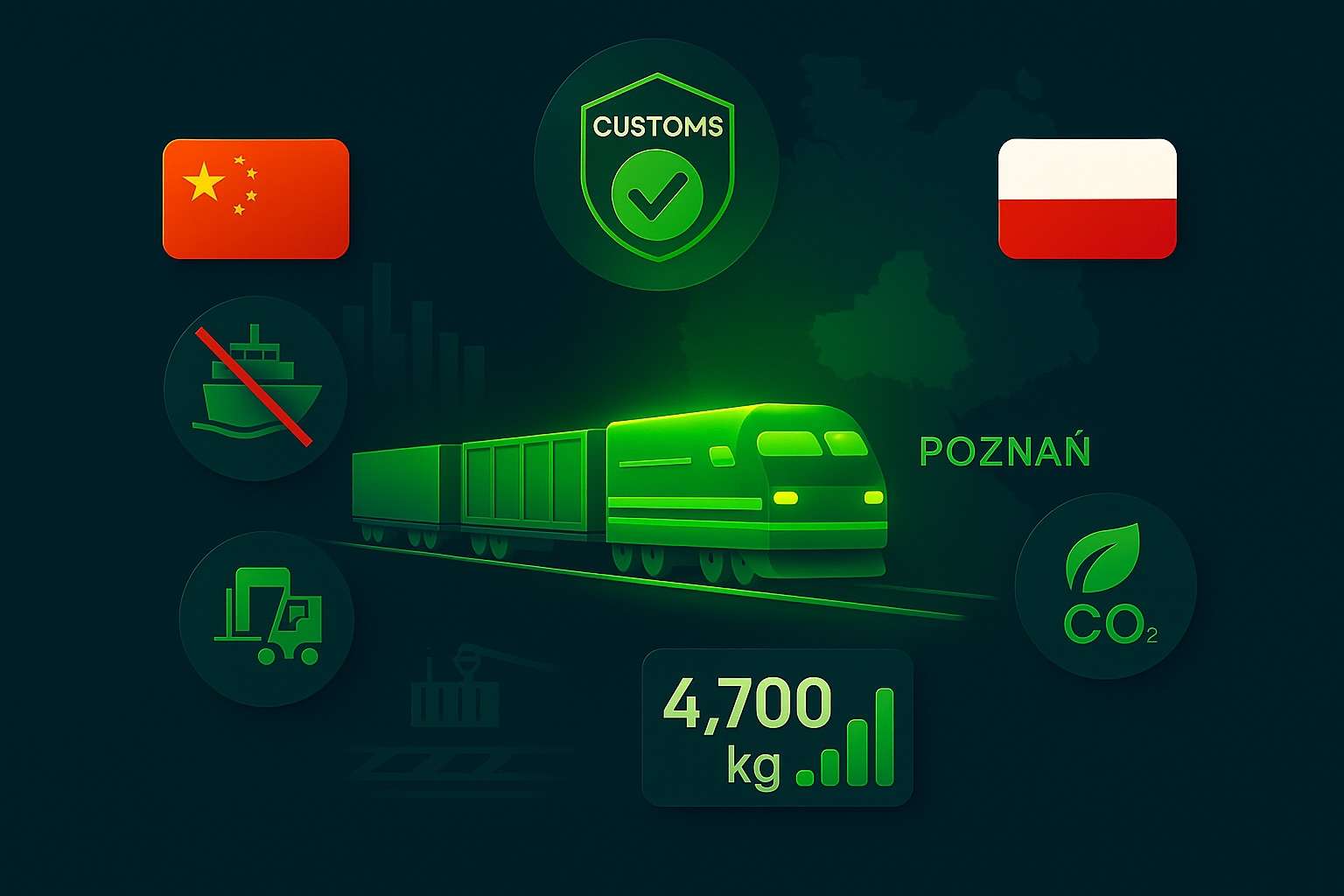
Rail freight between China and Poland is transforming Eurasian logistics. By connecting key Chinese cities—like Xi’an, Chengdu, and Zhengzhou—directly to Polish hubs, this corridor speeds up trade and reduces bottlenecks. Continuous investment in rail infrastructure means smoother customs, better reliability, and greater capacity, even during peak seasons.
Advantages for Polish Importers
Poland isn’t just a stop—it’s Europe’s rail gateway. Most China–Europe trains enter the EU through Poland, giving importers a central, fast lane to the continent. Thanks to upgraded rail terminals like Małaszewicze, goods clear customs quickly and can be redistributed to Warsaw, Łódź, or anywhere in Europe in record time. This connectivity is a major driver of Poland’s booming logistics and e-commerce sectors.
Optimal Use Cases
Rail freight is ideal if you need:
- Reliable delivery for electronics, automotive parts, textiles, or any time-sensitive goods.
- Predictable, faster lead times for e-commerce or just-in-time manufacturing.
- A practical middle ground—quicker than sea, more affordable than air—for medium-to-large shipments and businesses scaling up across Europe.
Choose rail, and you’re choosing speed, value, and strategic reach.
Main Rail Routes from China to Poland
Key Corridors: Connecting Asia and Europe
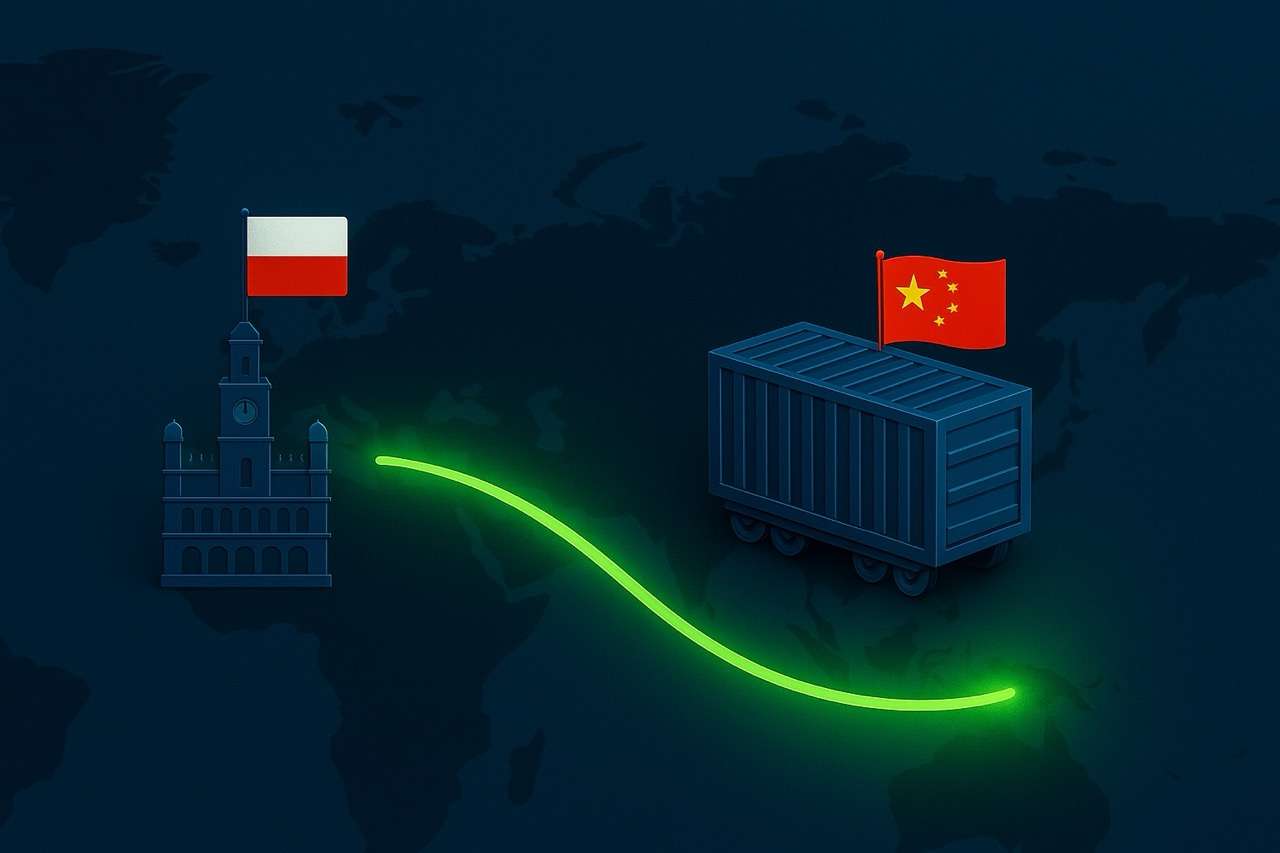
The rail network between China and Poland is a game-changer for Eurasian logistics. Two main corridors drive this movement:
- Northern Route:
This traditional path crosses Kazakhstan, Russia, and Belarus before entering Poland. Known for its large capacity, high frequency, and established reliability, it remains the backbone of most China–Europe rail freight. - Middle Corridor:
Also called the Trans-Caspian route, this alternative crosses Central Asia and the Caucasus—via Kazakhstan, the Caspian Sea, Azerbaijan, Georgia, and Turkey—before reaching Poland and the EU. Its popularity is growing, offering flexibility and lower geopolitical risk as global supply chains evolve.
Major Chinese Departure Cities
China’s rail freight to Poland starts from some of its most powerful export hubs:
- Chengdu
- Chongqing
- Xi’an
- Zhengzhou
- Yiwu
- Suzhou
- Hefei
These cities drive regular departures and offer shippers flexibility, access, and competitive options for a wide range of goods.
Primary Polish Arrival Hubs
Poland’s advanced logistics network makes it the natural gateway to Europe:
- Małaszewicze:
This vital border terminal handles about 90% of all rail cargo entering the EU from China. It’s famous for fast customs clearance and rapid transit to the European road and rail network. - Łódź and Warsaw:
These inland distribution centers connect rail shipments directly to the Polish market and further into Central and Western Europe, streamlining delivery and expanding reach for importers.
Transit Countries: The Pan-Eurasian Journey
Depending on your chosen corridor, your cargo may pass through:
- Kazakhstan
- Russia
- Belarus
- Azerbaijan, Georgia, Turkey (Middle Corridor)
Each border is optimized for transit efficiency, with customs processes designed to keep your supply chain moving.
Emerging Trends: What’s Next for 2025?
New Routes & Capacity Expansion
- New lines and more frequent departures are being developed to meet booming demand and minimize bottlenecks, bringing greater flexibility and capacity to the market.
Technological Integration
- Advanced digital tracking, automated customs, and smart monitoring are transforming rail freight into a transparent, reliable, and secure solution.
With direct, frequent departures from China’s top industrial cities and seamless connections to the heart of Europe, the China–Poland rail freight corridor is the fast track for modern, resilient supply chains. Choose rail and keep your goods moving—smarter, greener, and faster than ever.
Transit Times & Reliability
Fast, Predictable Delivery Across Continents
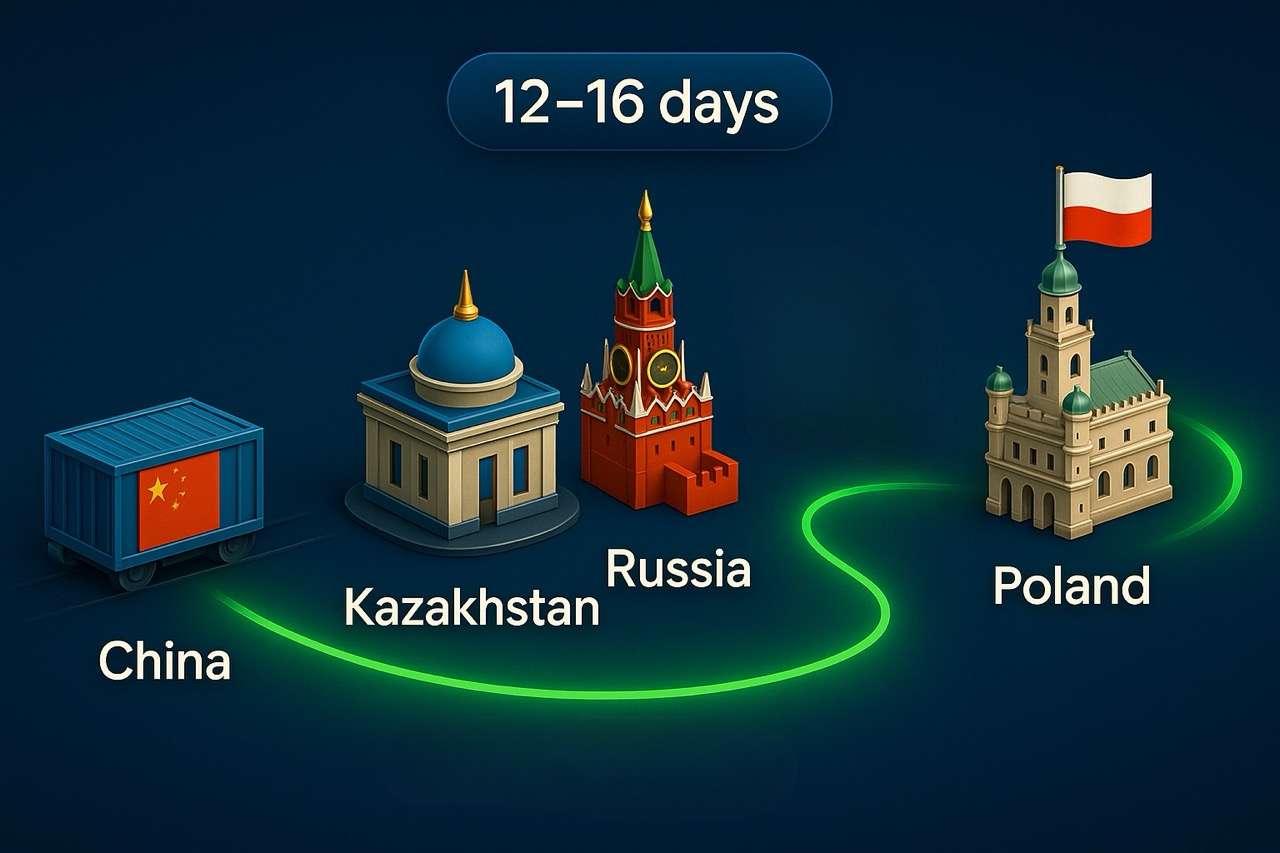
When speed matters but air freight is too expensive, rail freight from China to Poland delivers the perfect balance. Most shipments arrive in 12–18 days, making rail one of the fastest and most cost-effective ways to connect Asia and Europe.
Comparative Transit Times
| Transport Mode | Typical Transit Time |
|---|---|
| Rail Freight | 12–18 days |
| Sea Freight | 30–45 days |
| Air Freight | 3–5 days |
Rail freight is twice as fast as ocean shipping, and while not as quick as air, it comes at a fraction of the cost—making it the go-to choice for many importers.
What Affects Rail Transit Times?
Your rail shipment’s speed and predictability depend on several key factors:
- Customs Clearance:
Efficient border and customs processes at hubs like Małaszewicze can significantly cut down waiting times and keep your goods moving. - Weather Conditions:
Severe weather events—such as winter storms across Eurasia—can occasionally delay trains. However, modern rail operators are equipped to manage most disruptions and minimize delays. - Infrastructure & Scheduling:
Capacity limits, rail maintenance, and network upgrades can influence overall speed. Regular investment in both Chinese and Polish rail networks continues to boost reliability and frequency.
Reliability: The Power of Consistency
Importers love rail freight for its reliability and predictability:
- High On-Time Delivery Rates:
Most China–Poland rail routes operate on fixed schedules, with daily or near-daily departures from major Chinese hubs. This means fewer surprises and better planning for your supply chain. - Real-Time Cargo Tracking:
Advanced tracking systems give you 24/7 visibility on your shipment’s location, estimated arrival, and any potential hold-ups. This transparency is a game-changer for modern logistics and supply chain management.
Rail Freight Costs: Pricing Overview

How Much Does Rail Freight from China to Poland Cost?
Rail freight offers an attractive balance of price and speed—making it the go-to option for businesses seeking cost-effective, efficient logistics. In 2025, here’s what you can expect:
Full Container Load (FCL)
- 20ft Container: Approximately $4,750
- 40ft Container: Approximately $6,350
FCL is the preferred solution for large, regular shipments where you need the entire container space. You benefit from direct loading and maximum security for your cargo.
Less than Container Load (LCL)
- LCL shipments: Approximately $190 per cubic meter
LCL is ideal for smaller shipments, allowing you to pay only for the space you use. It’s the smart choice for e-commerce, SMEs, or when you’re testing new markets.
Rail vs. Sea vs. Air Freight: What’s the Real Cost?
How does rail freight compare to other shipping modes?
- Sea Freight:
Usually the cheapest option, but expect longer transit times (30–45 days). Best for non-urgent, bulk shipments. - Air Freight:
The fastest mode (3–5 days), but at a much higher cost. Suitable for urgent, high-value, or perishable goods. - Rail Freight:
Sits comfortably in the middle: faster than sea, much cheaper than air. It’s the sweet spot for businesses needing speed and reliability without breaking the bank.
What Additional Charges Should You Consider?
A smart shipping budget looks beyond just the base freight rate. Here are the typical extra costs to factor in:
- Customs Duties:
Variable, depending on your product type and its customs classification. - Insurance:
Highly recommended to protect your cargo in transit. The cost is usually a small percentage of your shipment’s value, but peace of mind is priceless. - Handling Fees:
Charged at both loading and unloading points—covering container handling, port operations, and terminal services.
Rail Freight Services: FCL, LCL, DDP
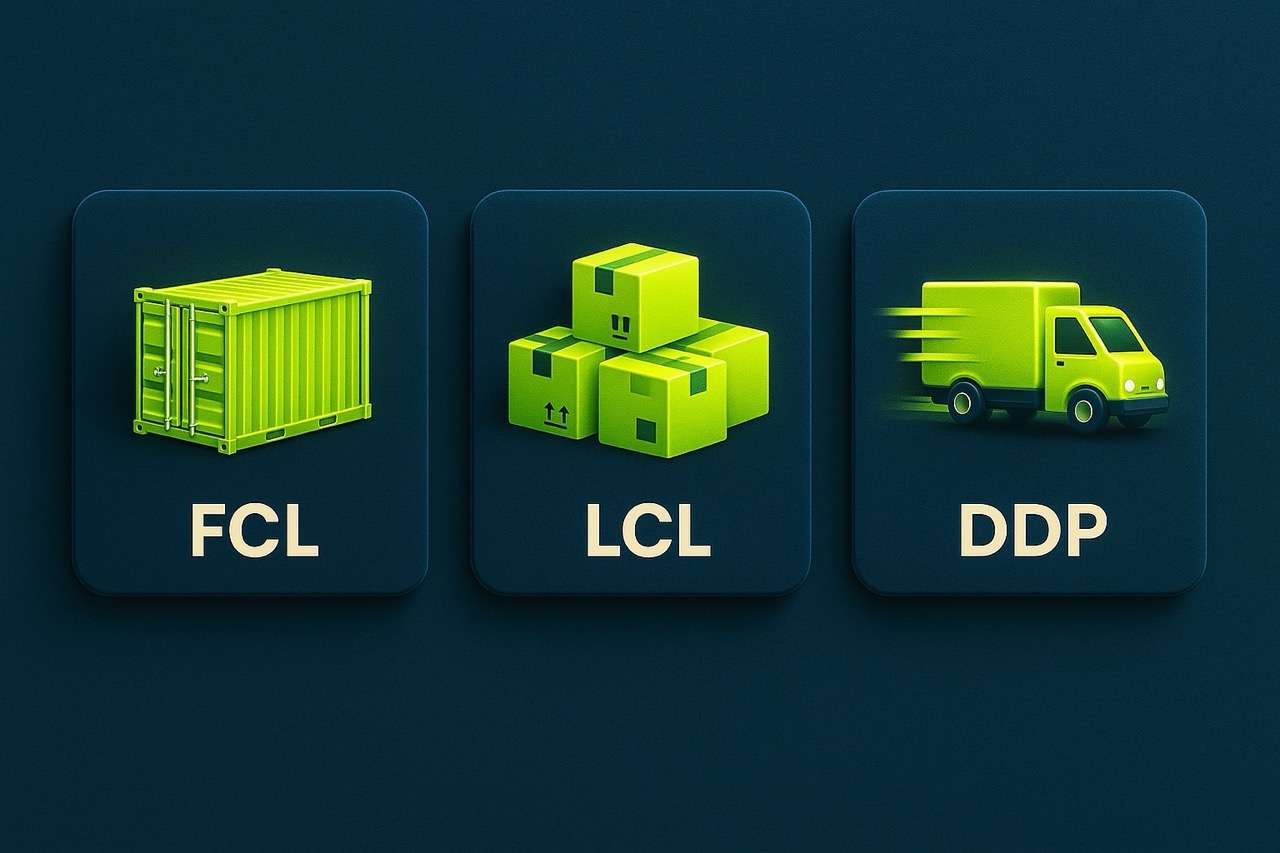
Which Rail Freight Service Is Right for Your Business?
Choosing the best rail service is essential to optimize your costs, delivery times, and overall logistics experience. Here’s what you need to know about the three most popular options:
FCL (Full Container Load)
- What is it?
Exclusive use of an entire container—either 20ft or 40ft—dedicated solely to your cargo. - Best for:
Large, regular shipments and high-value goods that require maximum security and direct handling. - Benefits:
- Faster loading and unloading
- Reduced risk of damage or loss
- More predictable transit times
LCL (Less than Container Load)
- What is it?
Shared container space, allowing multiple shippers to combine their cargo in a single container. - Best for:
Small to medium-sized shipments, e-commerce sellers, or businesses testing new products or markets. - Benefits:
- Only pay for the space you use
- Ideal for growing companies or irregular shipments
- Flexible scheduling and consolidation options
DDP (Delivered Duty Paid)
- What is it?
All-in-one solution—your goods are delivered door-to-door, with customs duties, VAT, and delivery costs all included in a single invoice. - Best for:
Importers seeking hassle-free shipping, e-commerce brands, and anyone new to international trade. - Benefits:
- No surprises—full cost visibility upfront
- No need to deal with customs or paperwork
- Saves you time, energy, and stress
How to Choose the Best Rail Service
Consider these factors to make the right choice for your supply chain:
- Shipment Size:
- Go with FCL if you have enough goods to fill a container, or you want complete control and security.
- Choose LCL if your shipments are smaller, or your order volumes fluctuate.
- Budget:
- LCL lets you save by sharing container costs with others—perfect for smaller businesses or sporadic orders.
- Convenience:
- DDP is your turnkey solution if you want to focus on your business while experts handle all logistics, customs, and final delivery.
Customs & Documentation Requirements
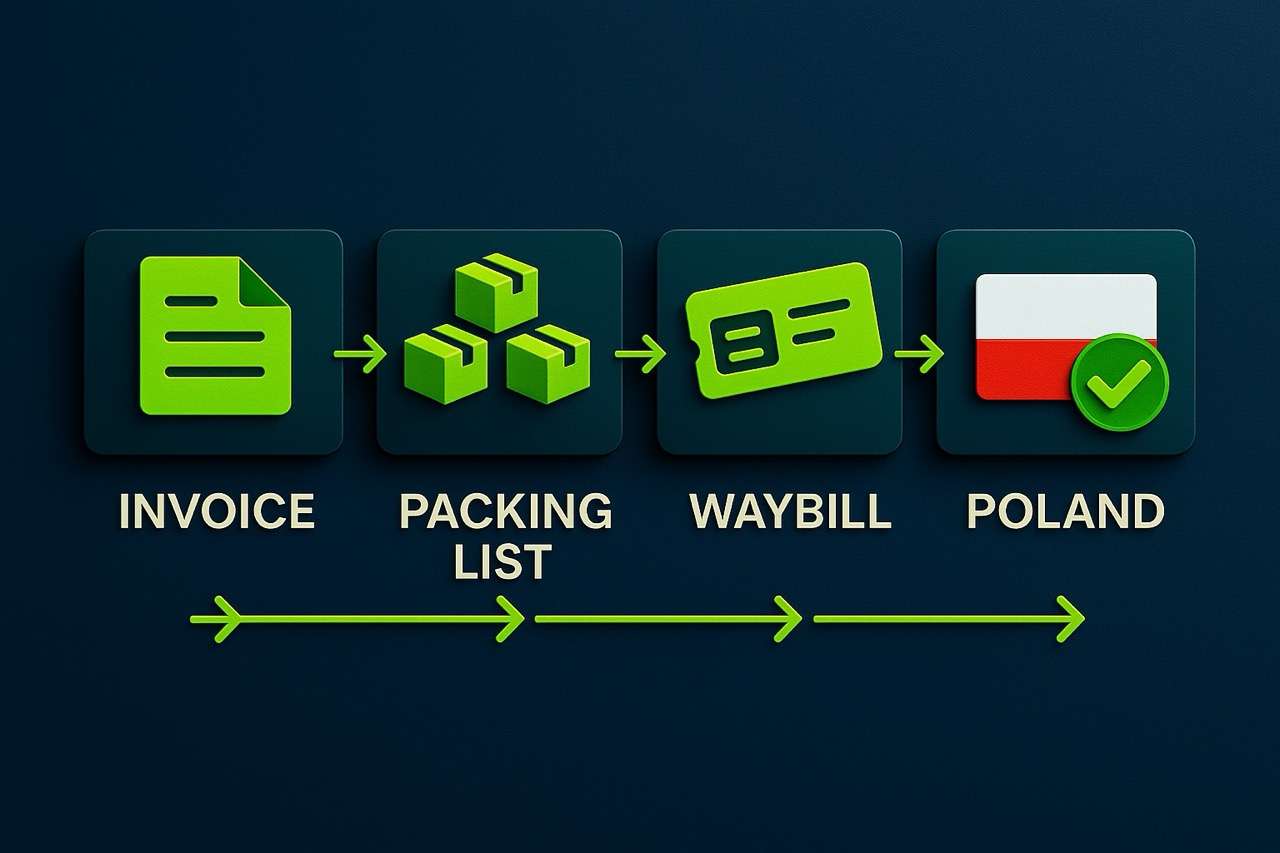
What Paperwork Do You Need for China–Poland Rail Freight?
Smooth customs clearance is essential for fast, trouble-free shipping. Missing or incomplete paperwork is one of the leading causes of delays at borders. To keep your cargo moving, you need to prepare several essential documents for each rail shipment:
Essential Documents for Rail Freight
- Commercial Invoice
A detailed record of the transaction, showing buyer, seller, product descriptions, quantities, and values. Customs use this to assess duties and verify your shipment. - Packing List
An itemized breakdown of your cargo—including quantity, weight, dimensions, and packaging type. This ensures accurate inspections and efficient handling at each terminal. - Bill of Lading (Rail Waybill)
The legal contract between you and the rail carrier. It confirms shipment details, ownership, and delivery terms. - Certificates & Compliance Documents
Depending on your goods, you may need:
Tips for Hassle-Free Customs Clearance
A successful import isn’t just about shipping—it’s about getting your goods through customs quickly and legally. Here’s how to streamline the process:
- Accuracy Matters
Double-check that every document is complete and error-free. Inconsistent values or missing information can trigger costly delays or penalties. - Know the Rules
Stay up to date on the latest Chinese export and Polish/EU import regulations, including tariffs, restricted items, and labeling standards. Regulations can change—don’t get caught off guard. - Get Professional Help
Consider working with a customs broker or freight forwarder specializing in China–Poland trade. Their local expertise can help you avoid mistakes, reduce risk, and keep your supply chain on schedule.
Sustainability & Environmental Impact

Why Rail Freight Is the Eco-Friendly Choice
In today’s logistics landscape, sustainability isn’t just a buzzword—it’s a business advantage. Choosing rail freight between China and Poland means you’re actively reducing your carbon footprint and future-proofing your supply chain.
Environmental Benefits of Rail Freight
- Lower CO₂ Emissions:
Rail freight generates up to 80% less carbon dioxide per ton-kilometer compared to air freight, and substantially less than most sea shipping routes. For companies committed to green supply chains, the difference is dramatic. - Superior Energy Efficiency:
Trains are among the most fuel-efficient transport modes for long distances. They move larger volumes of cargo using less energy—making rail a leader in energy-conscious logistics.
EU and Polish Green Logistics Initiatives
Modern supply chains are under increasing pressure from regulators and customers to minimize environmental impact. Both the EU and Poland are encouraging this shift through:
- Green Logistics Incentives:
Financial benefits, grants, and tax reductions for companies using sustainable transport, including rail. These programs make it easier and more cost-effective to “go green.” - Progressive Regulatory Support:
New EU and Polish policies promote low-emission freight options, set clear targets for carbon reduction, and support investments in electrified rail and clean energy infrastructure.
What Does This Mean for Your Business?
By choosing rail freight:
- You help your company achieve sustainability goals and improve your CSR profile.
- You align with the latest EU directives and gain access to green incentives.
- You offer your customers—and the planet—a smarter, cleaner way to move goods.
Challenges & Limitations

Navigating the Realities of China–Poland Rail Freight
While rail freight offers speed, reliability, and sustainability, it’s important to be aware of potential hurdles. Understanding these challenges helps you plan proactively and keep your supply chain running smoothly.
Capacity Constraints
- Infrastructure Limitations:
As demand for China–Europe rail grows, network congestion can occur—especially at border crossings and busy terminals. Temporary bottlenecks may result from overloaded lines or ongoing infrastructure upgrades. - Equipment Availability:
During peak shipping seasons, there may be shortages of containers or railcars, leading to booking delays or higher prices. Advance planning and flexible schedules are key to avoiding disruptions.
Regulatory and Operational Challenges
- Customs Delays:
Border processing times can vary. Unexpected checks, paperwork issues, or varying regulations between countries can slow things down. Accuracy and compliance are essential for minimizing these risks. - Geopolitical Factors:
Political tensions or new regulations (especially in countries along key corridors) may affect transit routes or cause sudden changes in scheduling. Staying informed and working with experienced logistics partners helps you adapt quickly.
Competition with Other Transport Modes
- Sea Freight:
Still the cheapest solution for large, non-urgent shipments. If your cargo isn’t time-sensitive, ocean shipping might be more cost-effective—though much slower. - Air Freight:
The preferred option for urgent, high-value, or perishable goods, despite its high cost and environmental impact. Air remains unbeatable for speed, but is often reserved for specialized needs.
Recent Developments & Future Outlook
The Belt & Road Initiative: Transforming Eurasian Rail
The Belt & Road Initiative (BRI) continues to be the engine driving growth in China–Europe rail freight. This ambitious project has brought unprecedented investment to rail networks across Asia and Europe, with Poland standing out as a key beneficiary.
Key developments:
- Infrastructure Investments:
Major upgrades are expanding both rail capacity and terminal facilities—reducing bottlenecks and improving transit times for all shippers. - Trade Agreements:
Enhanced cooperation between China and European countries is streamlining customs procedures, harmonizing standards, and unlocking new trade opportunities.
Poland’s strategic location makes it a cornerstone in the BRI, attracting ongoing attention and funding for rail infrastructure.
Technological Advancements in Rail Logistics
The future of rail freight is digital, smart, and efficient. New technologies are reshaping every link in the supply chain:
- Digitalization:
Adoption of electronic documentation, real-time cargo tracking, and online booking platforms means fewer delays and greater transparency for shippers. - Automation:
Artificial intelligence and robotics are revolutionizing logistics operations—from automated container handling in terminals to predictive maintenance on the rails—resulting in higher efficiency and fewer human errors.
With these innovations, rail freight is faster, safer, and more reliable than ever before.
Future Projections: Where Is Rail Freight Headed?
- Increased Capacity:
Ongoing investments and new route developments are expected to double rail freight volumes within the next few years, offering even greater flexibility for businesses of all sizes. - Sustainability Focus:
Green initiatives remain at the forefront, with a strong push for electrification, renewable energy, and eco-friendly operations—helping businesses meet both regulatory demands and customer expectations.
FAQ: Rail Freight from China to Poland
How long does rail freight take from China to Poland?
Rail freight between China and Poland generally takes around 12 to 18 days. The exact duration depends on your chosen departure city, final destination, and the specific rail route, as well as customs clearance speed and any seasonal congestion. This is significantly faster than ocean shipping, making rail freight the perfect solution for businesses that need to balance cost and delivery speed.
What are the main rail hubs in Poland?
The principal rail freight hubs connecting China and Poland are Małaszewicze, Łódź, and Warsaw. Małaszewicze acts as the main gateway at the EU border, while Łódź and Warsaw are essential inland distribution centers, ensuring efficient customs clearance and rapid delivery throughout Poland and across Europe.
Is rail freight more expensive than sea freight?
Yes, rail freight is generally more expensive than shipping by sea. However, the investment often pays off for businesses that value shorter lead times and more reliable delivery schedules. For time-sensitive or high-value goods, rail offers a cost-effective middle ground between slow, low-cost sea transport and expensive, ultra-fast air freight.
What types of goods are suitable for rail freight?
Rail freight is particularly well-suited to products that need timely and secure delivery, such as electronics, automotive parts, machinery, textiles, and general consumer goods. If your business requires predictable transit times and a balance between cost and speed, rail is an excellent choice.
Are there any restrictions on goods transported via rail?
Certain hazardous materials are restricted or even prohibited from being shipped by rail. This includes items like chemicals, explosives, and some flammable products. Additionally, shipments that are oversized, overweight, or extremely perishable may not be accepted or could require special arrangements. Always consult your freight forwarder in advance to confirm the eligibility of your cargo and ensure full compliance with all regulations.